|
Getting your Trinity Audio player ready...
|
Teaching the ‘aha moment’
On a chilly fall morning, a docent at Bouverie Preserve leads Renee Nealon’s fourth-grade class to a tree where golf-ball-sized beige orbs hang from leafless branches. The students are curious about the odd ornaments — exchanging puzzled looks, making guesses.
Nealon tells them: “These are nuts from the buckeye tree.”
In an instant, questioning expressions are transformed.
“I saw the students’ eyes light up” Nealon later shared. “Before our field trip, we had been studying California Indian uses of natural resources. Being able to have them see, touch, and feel the actual Buckeye nuts tied into what we were reading in our textbooks. It made it real.”
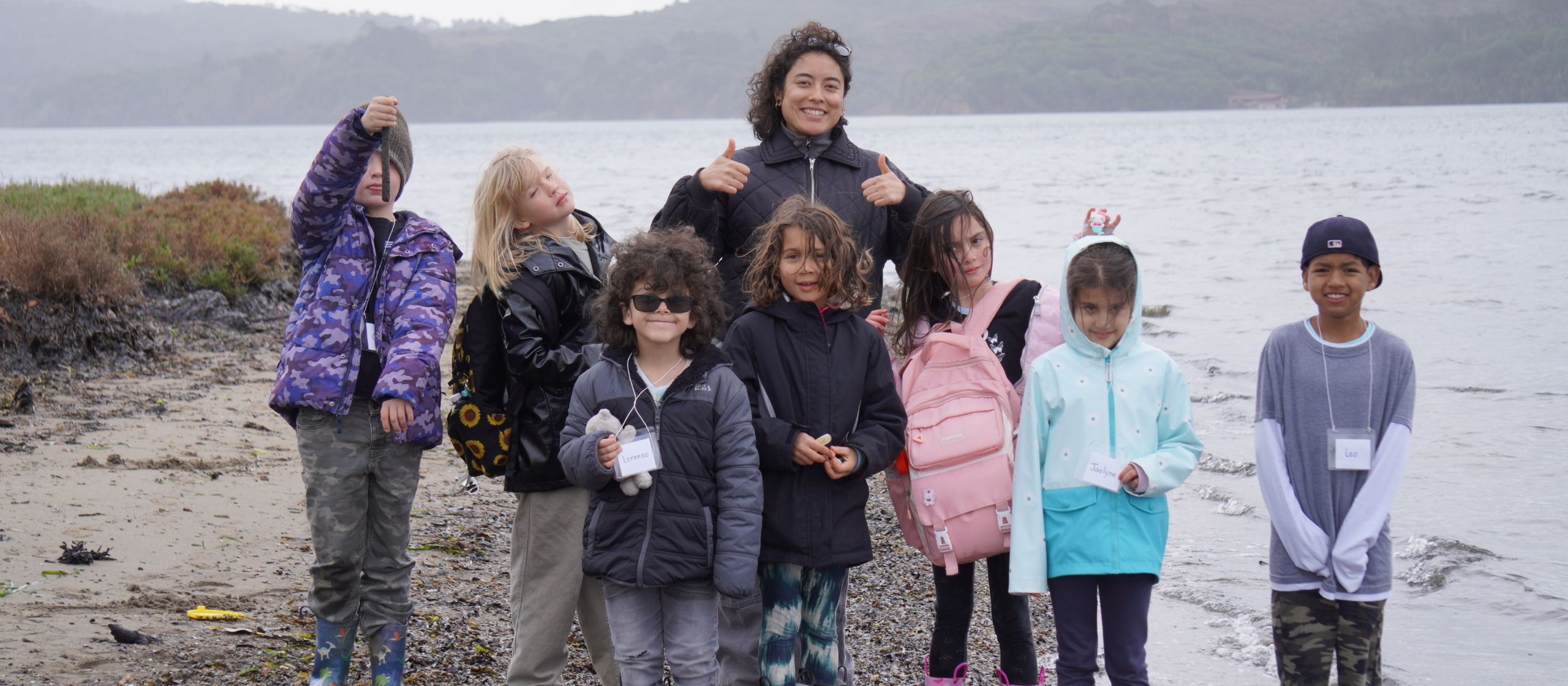
For Nealon, who teaches at McDowell Elementary School in Petaluma, the field trip to the Glen Ellen preserve would not have been possible without the Pathways Project, through the Sonoma Environmental Education Collaborative (SEEC). As a member of SEEC and a provider in the Pathways Project, we work with Sonoma County teachers — offering support, resources, and transformative experiences that bring joy and science to students who may not otherwise have these opportunities.

Sharing knowledge and resources
Dawn Diaz, a third-grade teacher from Wright Charter School in Santa Rosa, also took her students to Bouverie Preserve through the Pathways Project. For Diaz, funding for materials to teach science is not readily available at her school. Despite this, she has forged ahead with her lessons, buying what she needs for her classroom and waiting for reimbursement from the district. The educational tools provided during the field trip at the preserve were instrumental for her students.
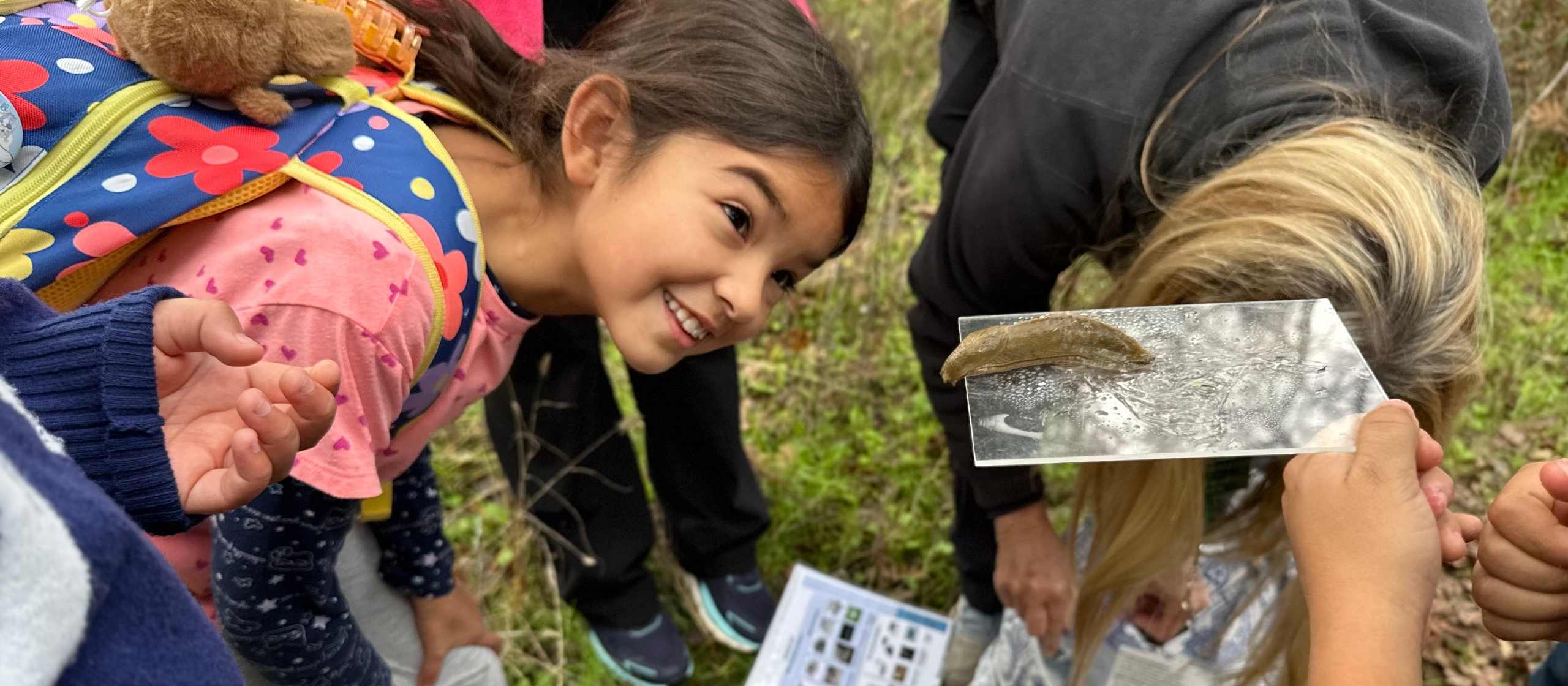
“Learning how to use magnifying glasses, nets, and binoculars to explore was a great experience,” Diaz explained. “Having the opportunity for each student to have tools to use was great.”
Partnering on transformative experiences
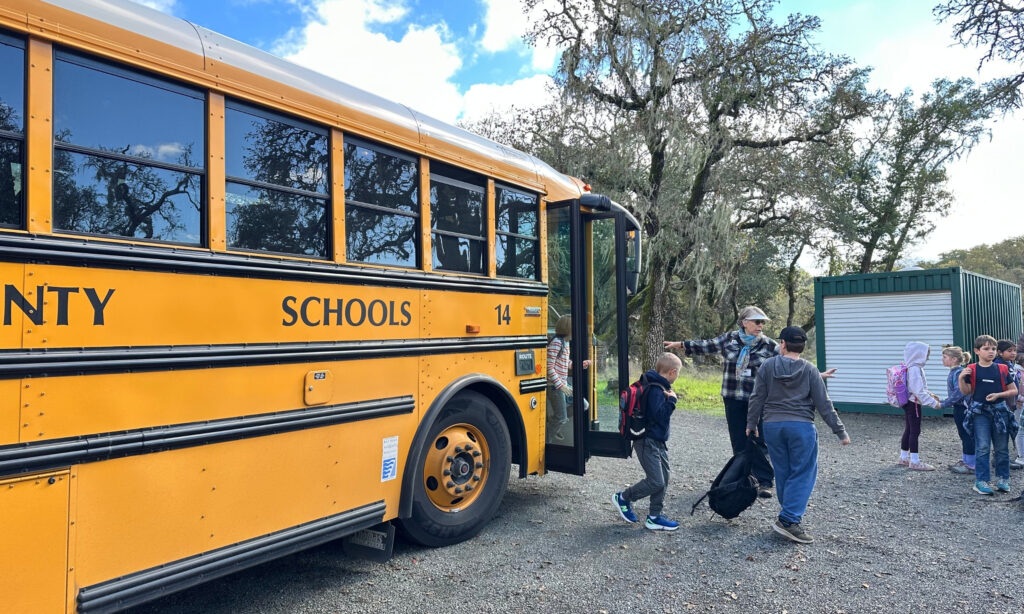
As a provider in the Pathways Project, we support teachers with curriculum, help them navigate complicated field trip logistics, and cover the costs of transportation.
“Regular engagement with schools through site-based meetings helps our education team build relationships with teachers and administrators,” said Catie Clune, director of education. “We provide teachers with supplemental pre- and post-lessons that support meaningful integration of outdoor learning back into the classroom.”
The cost of buses is a major barrier for teachers to take field trips. Funding from SEEC in partnership with Community Foundation Sonoma County helps us elevate the burden of these costs for the schools.
“The bus alone to Bouverie was $700,” said Nealon. “That cost would have prevented us from going.”
Clune shared: “The education team is working to create greater consistency and efficiency in the bus scholarship process, making experiential learning more accessible and sustainable.”
Reinforcing current science standards
“The federal funding hasn’t shown up this year at all,” Nealon shared. “Having Pathways has definitely been an opportunity for the students to travel to different places, which we probably wouldn’t be able to do.”
The Pathways Project prioritizes schools that receive Title 1 federal funding — which supports schools with high proportions of low-income students. These schools are facing proposed cuts under the current federal budget plan which could reduce teachers’ abilities to offer hands-on science education.
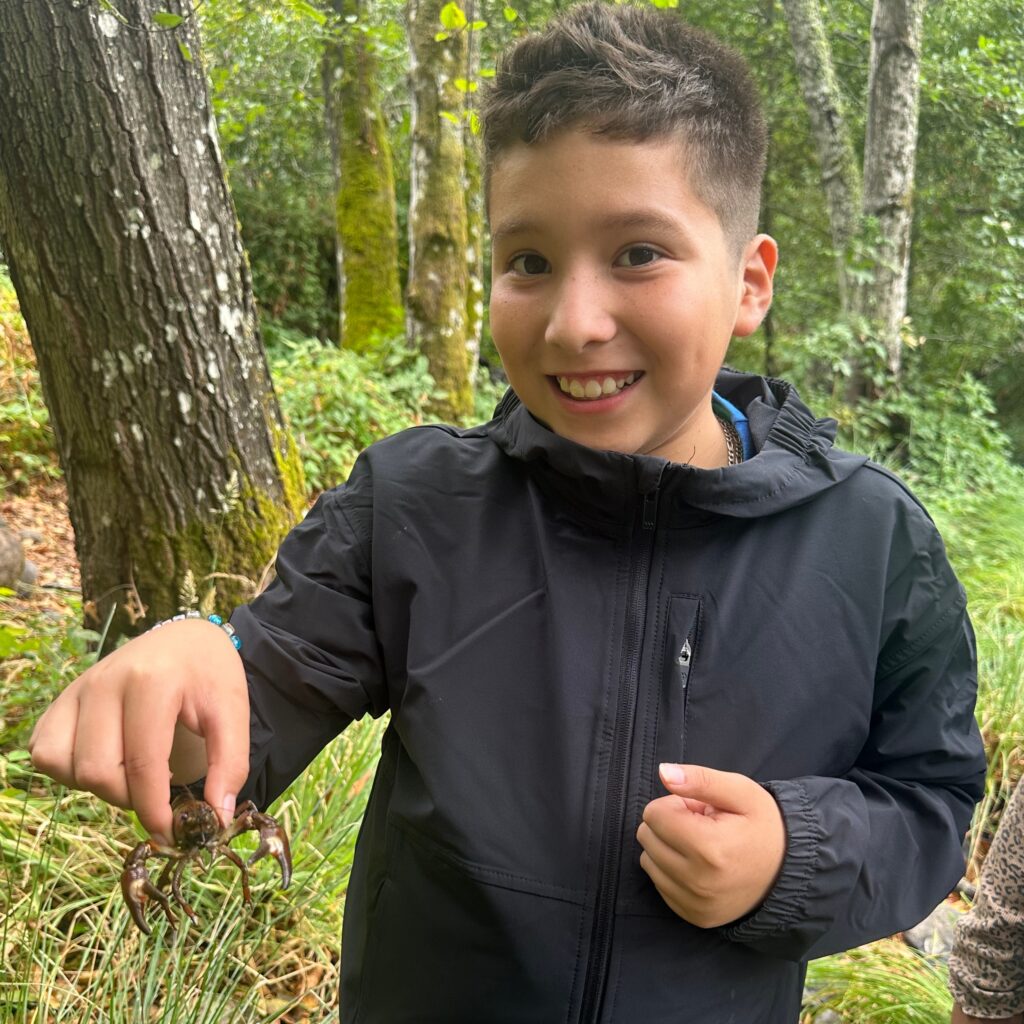
Despite current and future funding constraints, Nealon remains committed to experiential learning. She invites community guest speakers into her classroom and encourages her students to ask questions and stay curious — two concepts deeply embedded in her curriculum. Our field trips reinforce these standards of developing critical thinking and hands-on learning.
“The focus is on student-centered learning,” shared Liz Martins, school programs manager. “Students are guided by caring docents and staff to share their prior knowledge, make their own observations that spark their curiosity, work together to come up with explanations, check if their explanations fit through further observations and discussion, to make sense of what they are noticing and how the world around them works.”

Hands-on science makes the world come alive
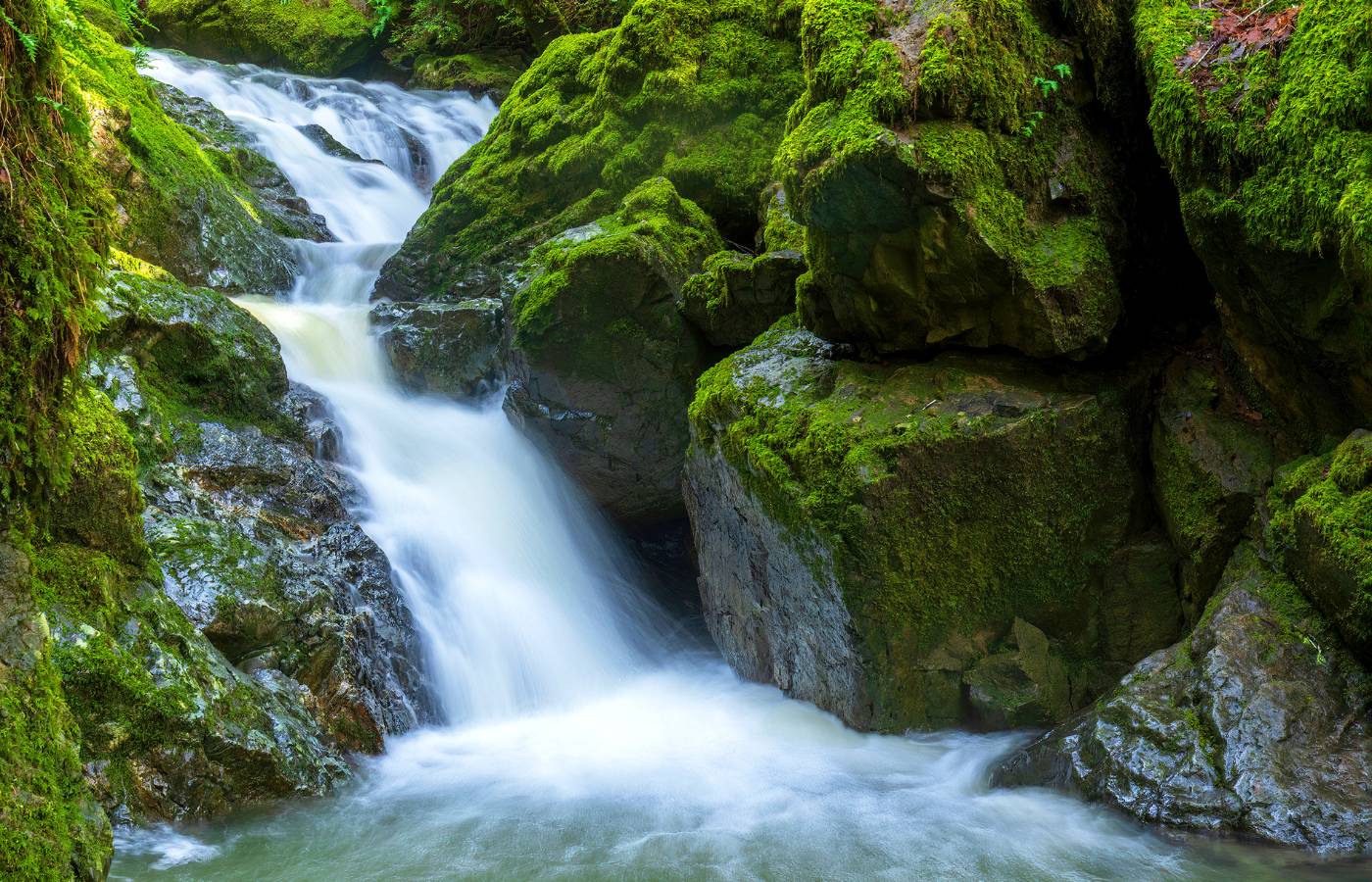
A docent leads Nealon’s class to a rock covered in dark green moss, glistening from the damp morning. The students surround the rock, shifting around and looking unimpressed.
After studying the rock for a moment, the docent pulls out a loupe, revealing to the students a tiny green world alive with insects.
“My students are learning English at very different levels of proficiency right now,” said Nealon. “Being able to have tactile opportunities to be able to touch it, to be able to see it, to be able to smell it, made it all the more real for us.”

Support us in bringing joy and science to students from underserved communities
The Pathways Project is in the final year of a three-year pilot program. The education team and docents will host another round of field trips in the spring and look forward to reaching students like those in Nealon’s and Diaz’s class.
Experiential learning and outdoor programs are key components to a student’s well-rounded education, especially in the sciences. Support from our community – including SEEC – makes our programs possible, and your support can help us keep science and curiosity alive.
Can you help? Become a member or consider connecting us to a new funding opportunity like SEEC.