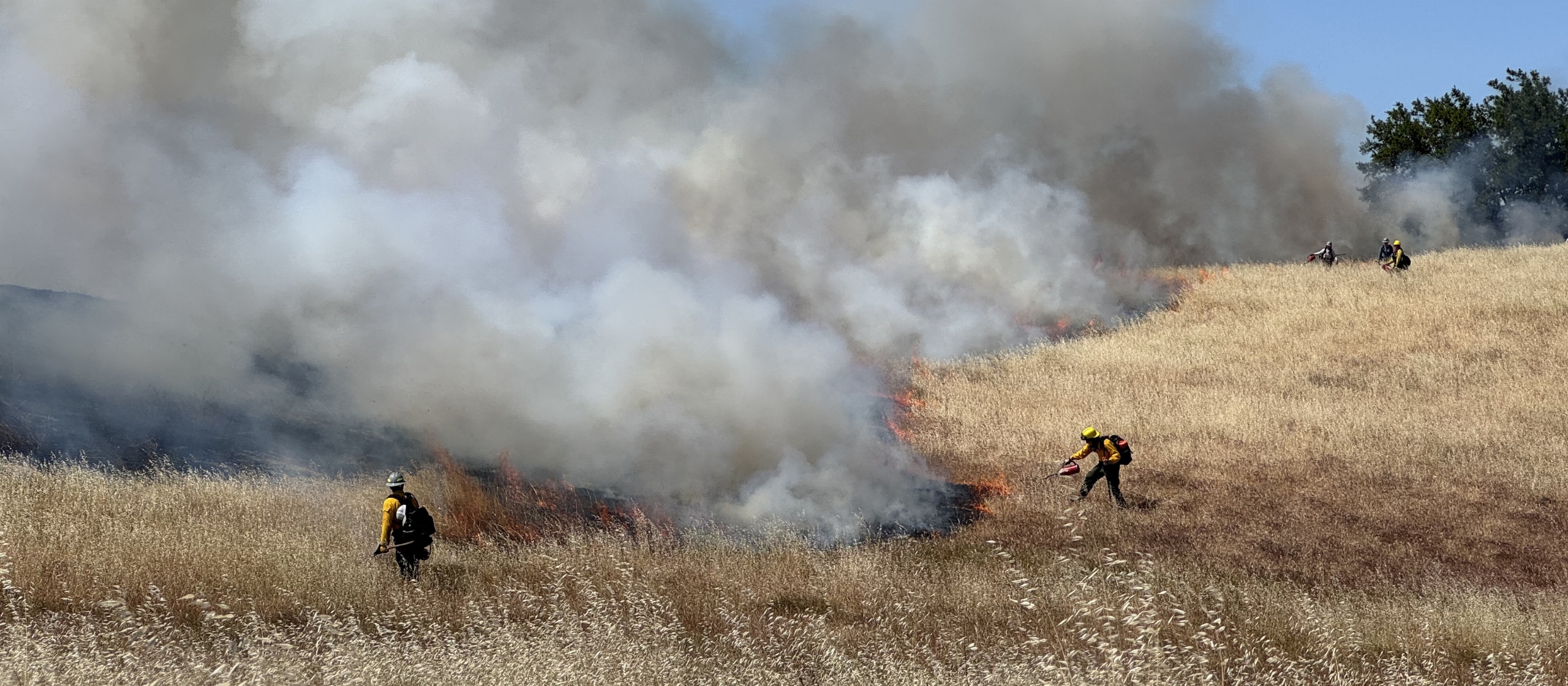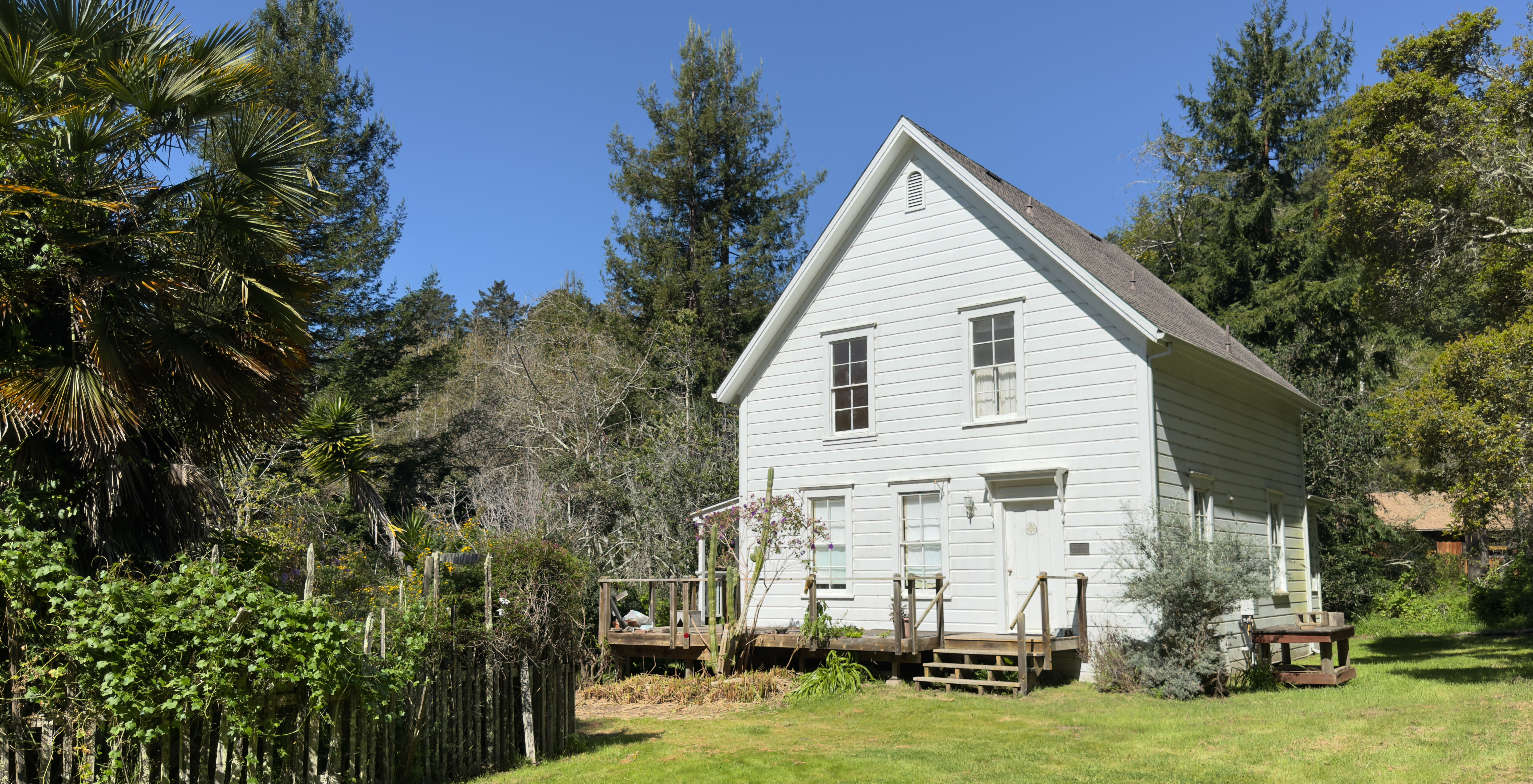

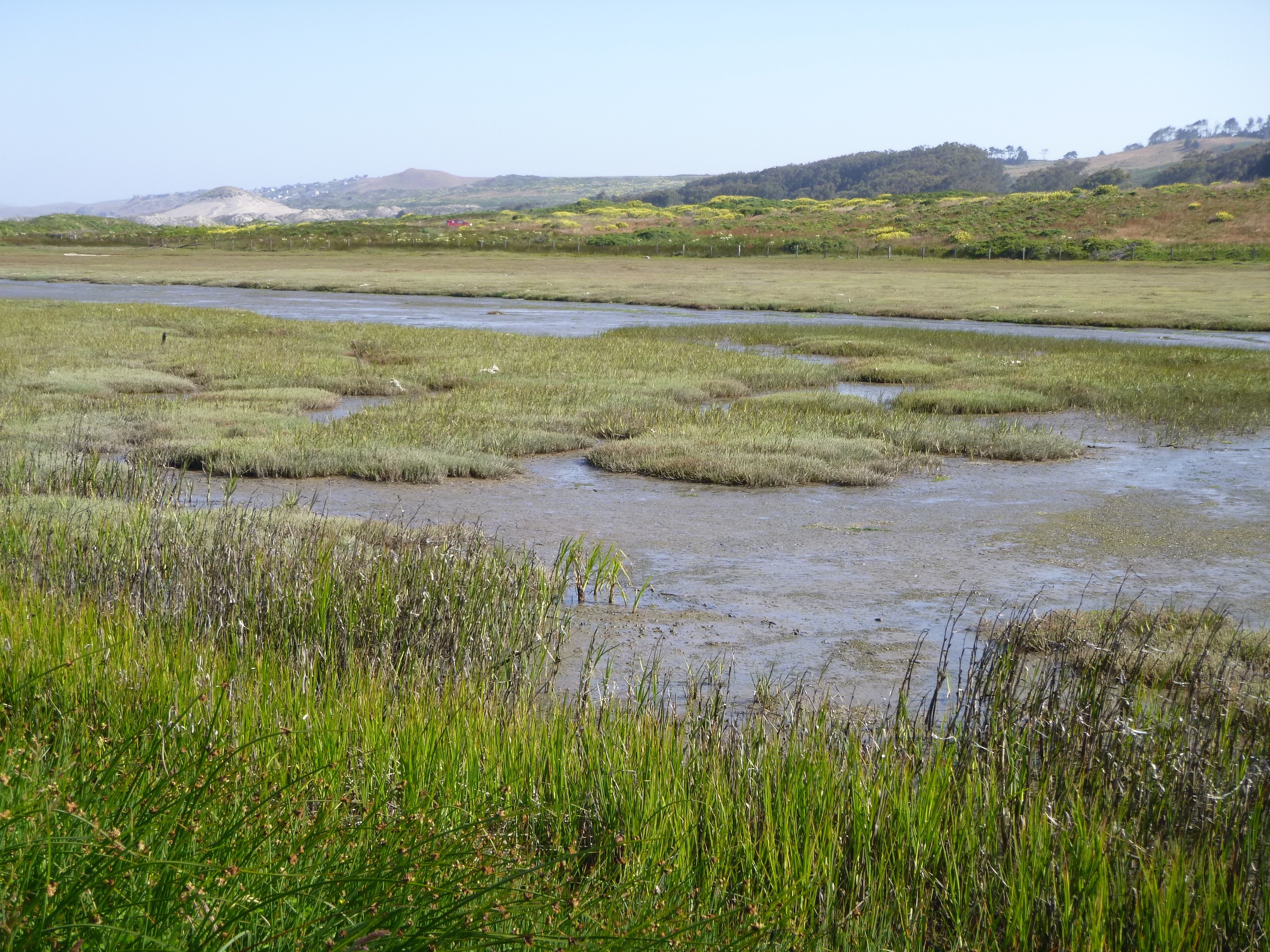
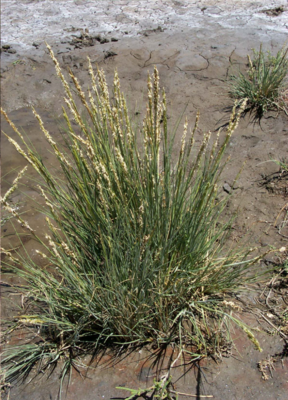
Since 2001, All Hands Ecology has collaborated with the Invasive Spartina Project to monitor and remove the non-native, invasive cordgrass, Spartina densiflora, from Tomales Bay.
Una Spartina invasora menos conocida que afecta a la bahía de San Francisco y a la costa cercana, la S. densiflora, crece en macizos en expansión que amenazan los humedales al eliminar las zonas abiertas utilizadas para la búsqueda de alimento, sobre todo por las aves. Estos densos grupos de hierba de cordero pueden alterar la elevación de las marismas, especialmente a lo largo de los bordes de los canales y fangos, ralentizando el flujo de agua y atrapando sedimentos.
Toms Point, un foco temprano de Spartina
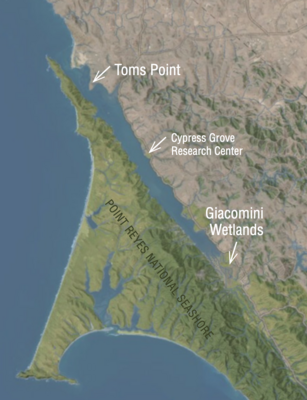
All Hands Ecology’s Toms Point preserve, at the north end of Tomales Bay, was one of the first Spartina hotspots identified along the outer coast. Tomales Bay is an important wintering location for shorebirds, supporting roughly 20,000 in the early winter months. Toms Point is just north of one of the most significant winter foraging areas on the bay. The other—the recently restored Giacomini Wetlands—is only 12.5 km to the south.
What could have been a disastrous Spartina densiflora invasion on Tomales Bay, instead became an example of the value of early and concerted action. Working together, Invasive Spartina Project (ISP) and All Hands Ecology (All Hands Ecology) stopped the cordgrass’s spread at Toms Point, its historic outbreak site, through annual monitoring and removal.
Anticipar una victoria
Este mes de junio, en medio de la lúgubre atmósfera de COVID-19, nos animó el hecho de que no se detectaran plantas de S. densiflora en la marisma. La noticia, aunque emocionante para los gestores de plantas invasoras, fue doblemente alentadora porque seguía una pauta constante de disminución del número de ejemplares en este lugar. El estudio fue el tercero consecutivo en el que se detectaron y eliminaron cinco o menos plantas pequeñas.
Como no hay fuentes cercanas de S. densifora que aporten nuevas semillas a la bahía, es probable que el banco de semillas de Toms Point se esté agotando constantemente. Somos optimistas sobre la erradicación final de esta invasora.
Mantener el rumbo
Tripp McCandlish, ISP’s Field Operations Manager, reports that ISP will continue to plan for “bi-annual surveys for densiflora at the historical infestations until we achieve five straight years of zero detections.” After the celebration, ISP will transfer the job of monitoring to All Hands Ecology’s staff and volunteers.
Sin embargo, puede resultar difícil mantener alejada a la tripulación del ISP. Sus biólogos de campo consideran un placer visitar la bahía de Tomales y Toms Point. Según Tripp, incluso después de varios años de cero detecciones, "tenemos previsto realizar un estudio completo de la bahía de Tomales en busca de Spartina híbrida y densiflora al menos una vez cada tres o cuatro años, como recompensa a nuestro personal y también como estudio preventivo."
All Hands Ecology is grateful for the decades-long partnership with the Invasive Spartina Project to protect not only our sanctuaries, but also the whole of Tomales Bay. ISP’s open, collaborative approach greatly simplifies the difficulties of managing a species that ignores property boundaries and can be widely dispersed.
Learn more about the work of the Invasive Spartina Project here. This article originally appeared in Conservation in Action, Spring 2022, All Hands Ecology’s newsletter to our community. Read this article and more in the full edition of Conservation in Action, or share this article with a friend!