|
Prepare su reproductor de audio Trinity...
|
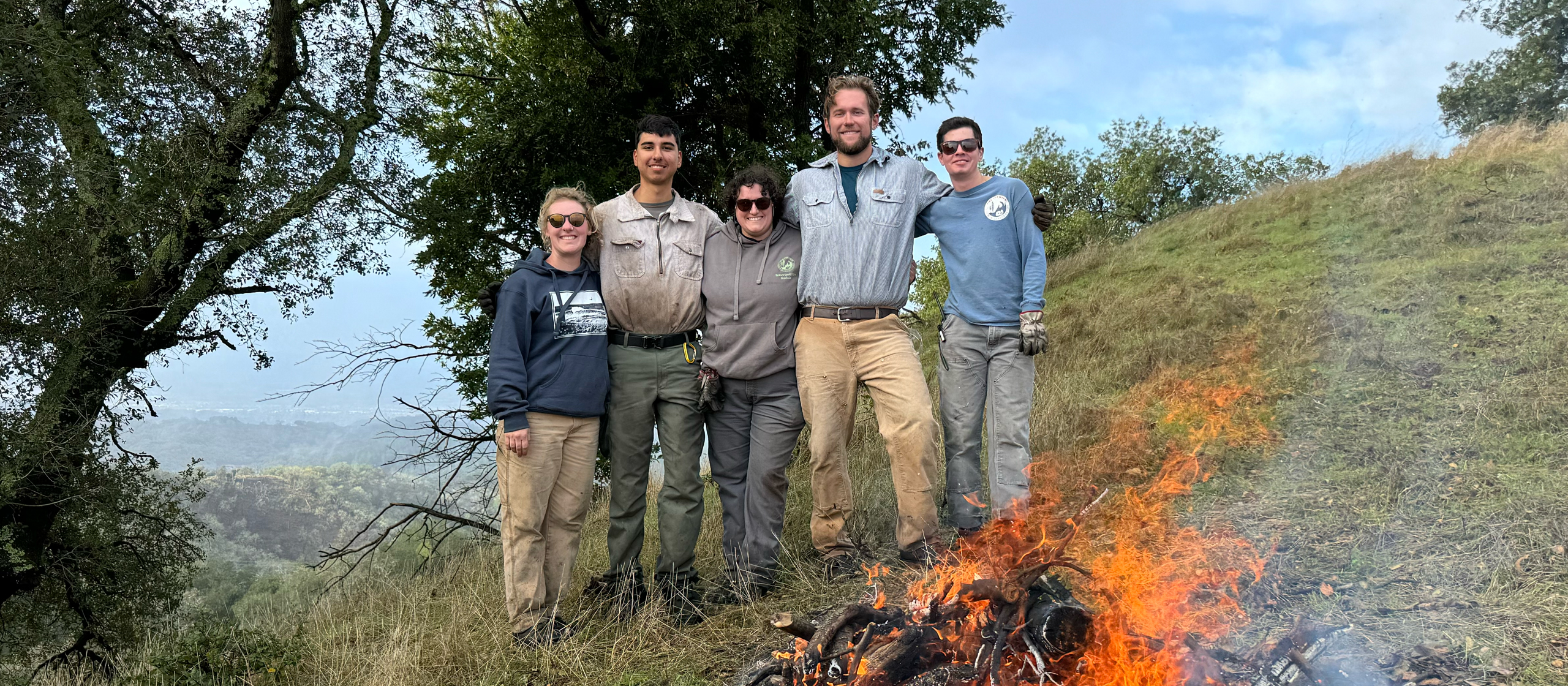
Gathering around fire
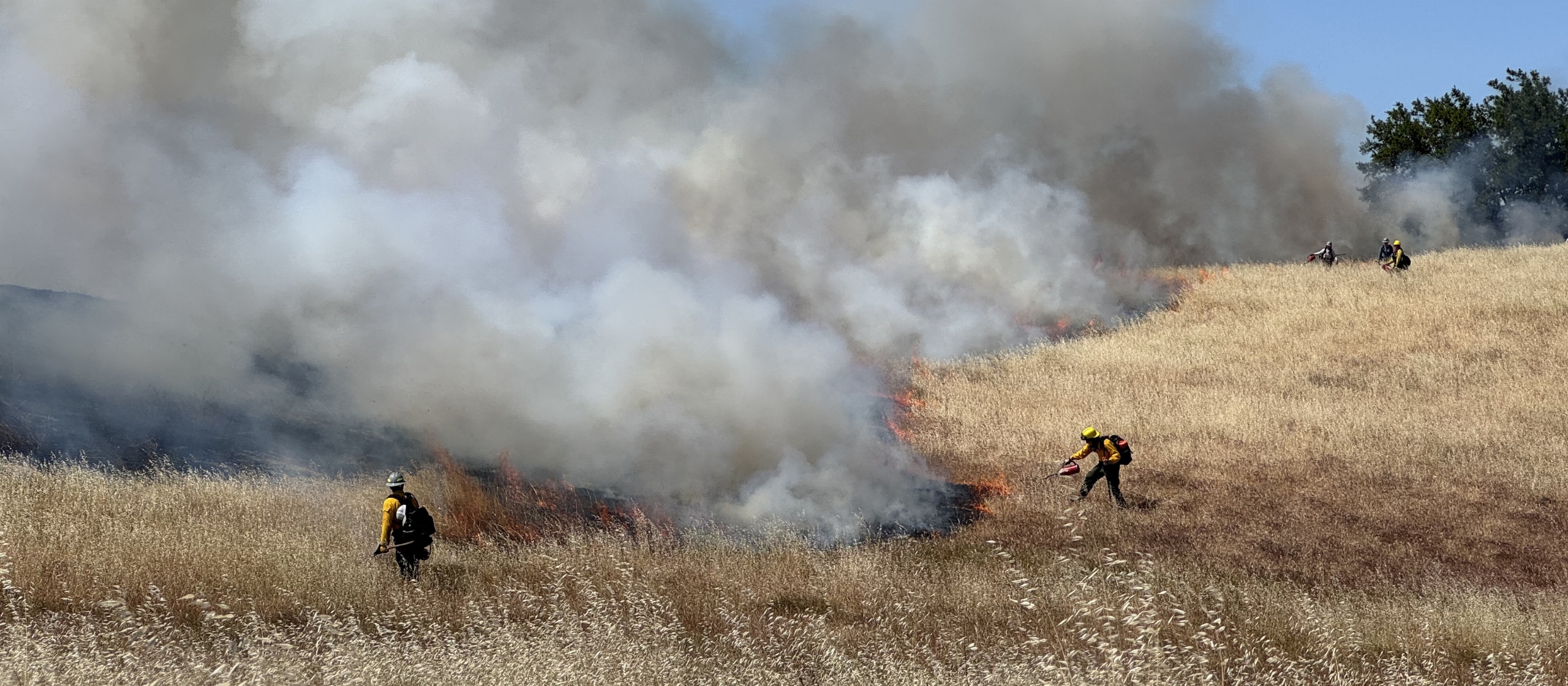
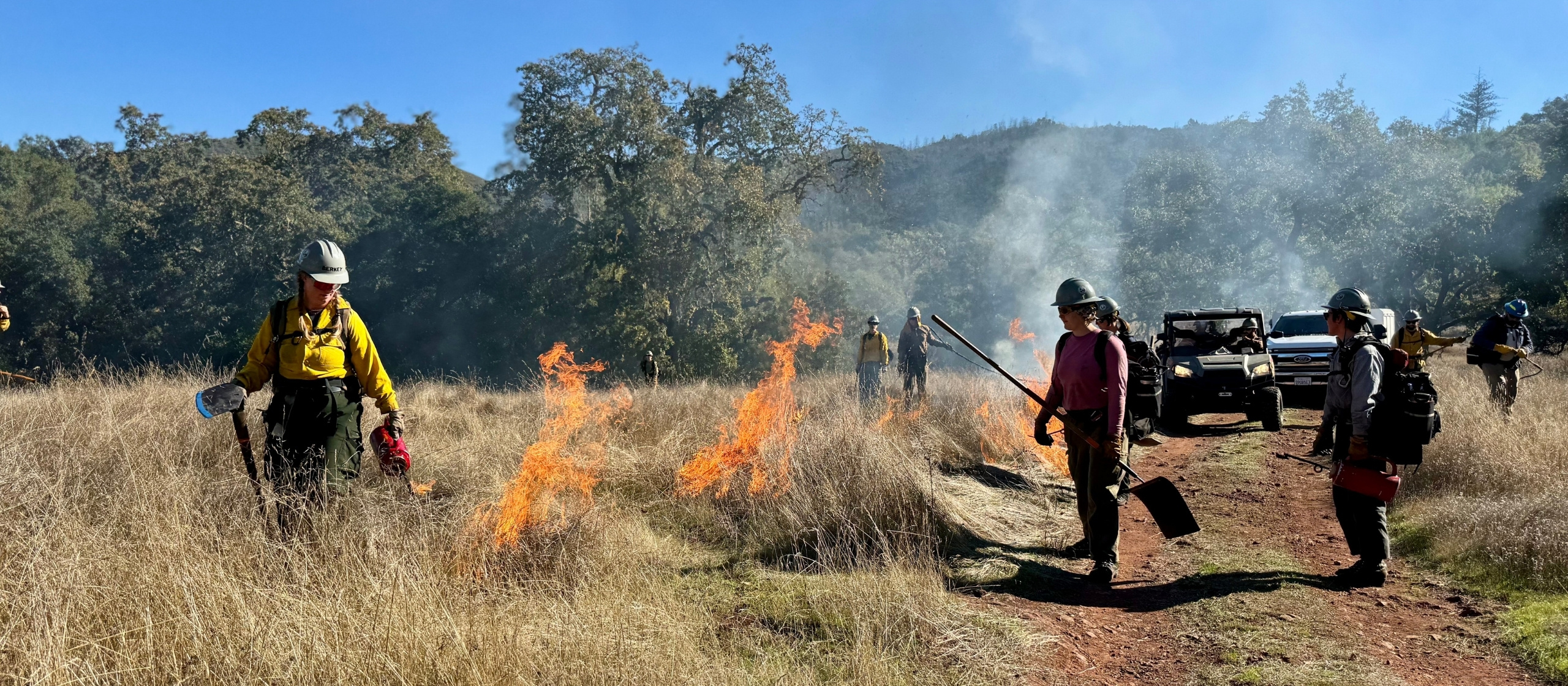
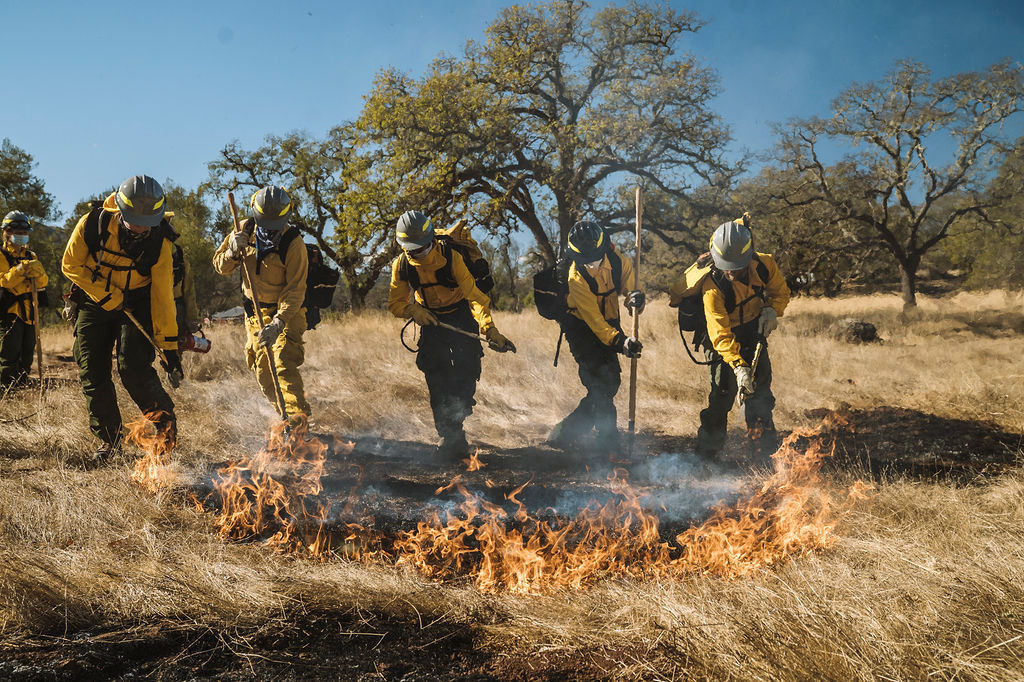
At a community burn in West Sonoma County, a crew donning hard hats with logos from local organizations lines a trail encircling a forested unit. Hoses charged with water and a tank of water filled by the local fire agency are already in place. The group quiets as the first igniter uses a drip torch to release the first drops of fire. The flame crackles to life and the smoke lifts cleanly, carrying the region’s signature scent of redwood, pepperwood, and fir up and away.
It’s not a barbeque, but it sure feels like one. Good fire has a way of welcoming people like that. By the end of the day, the community will be filled with life and folks will return home smelling like the sun. Born out of wildfire ashes, California’s prescribed burn community flourishes in North Bay.
Community-based networks
Prescribed Burn Associations (PBAs) are community-based, mutual aid networks of locals who come together to learn, practice, and grow their stewardship skills using prescribed fire. In the North Bay, the PBA is the Good Fire Alliance (GFA) — formed in the aftermath of the 2017 North Bay firestorm that burned more than 110,000 acres in Sonoma and Napa counties over the course of three weeks. Initially co-founded by All Hands Ecology, UC Agriculture and Natural Resources, and Sonoma County Resource Conservation District, the GFA quickly attracted many other organizations and individuals, building a strong collaborative effort of public, private, and nonprofit landowners motivated to safely use prescribed fire in community.
“I’ve seen the GFA bring people together with very different backgrounds — from stay-at-home moms to professional botanists,” said Anne Crealock who served on the GFA steering committee. “From ranching families who live off the land with environmental advocates, who know it on paper but not in the complexities that accompany land stewardship.”
Climate planning inspires fire stewardship
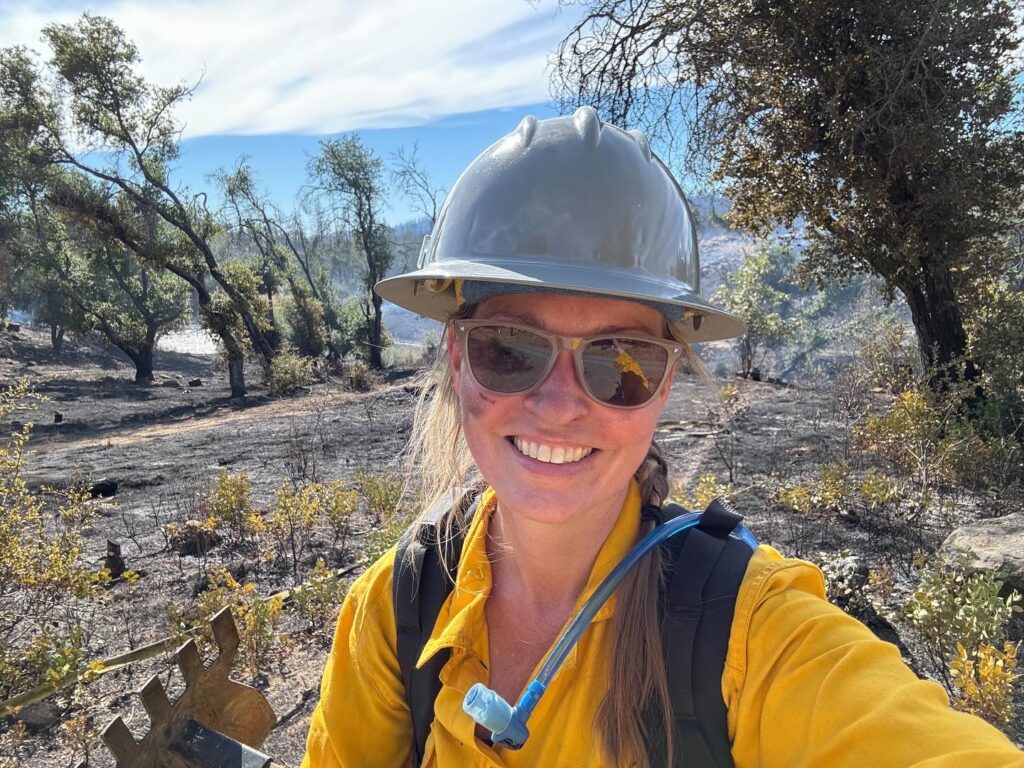
Back in 2017, Crealock, a field biologist and environmental planner, had been thinking a lot about fire. At work, she and her team grappled with developing a climate adaptation plan for the Sonoma County Water Agency. At home, she was living with her husband and two children in Bennett Valley, an area of Santa Rosa affected by the 2017 Tubbs Fire and flagged by CAL FIRE for severe wildfire risk.
“I asked myself how to steward landscapes from a water standpoint and I kept coming back to fire. We were just so deficient in trained people to help with this monumental task back then,” Crealock reflected. “And then I heard about Fire Forward and their effort to democratize fire through workforce development and community training. All these folks doing prescribed burns and carrying drip torches, I was floored that I could get trained too.”
Crealock joined a basic wildland firefighter training in 2019 at All Hands Ecology’s Bouverie Preserve, walking away from the experience as a qualified Fire Fighter Type 2 and member of the Good Fire Alliance.
An inflection point for the GFA
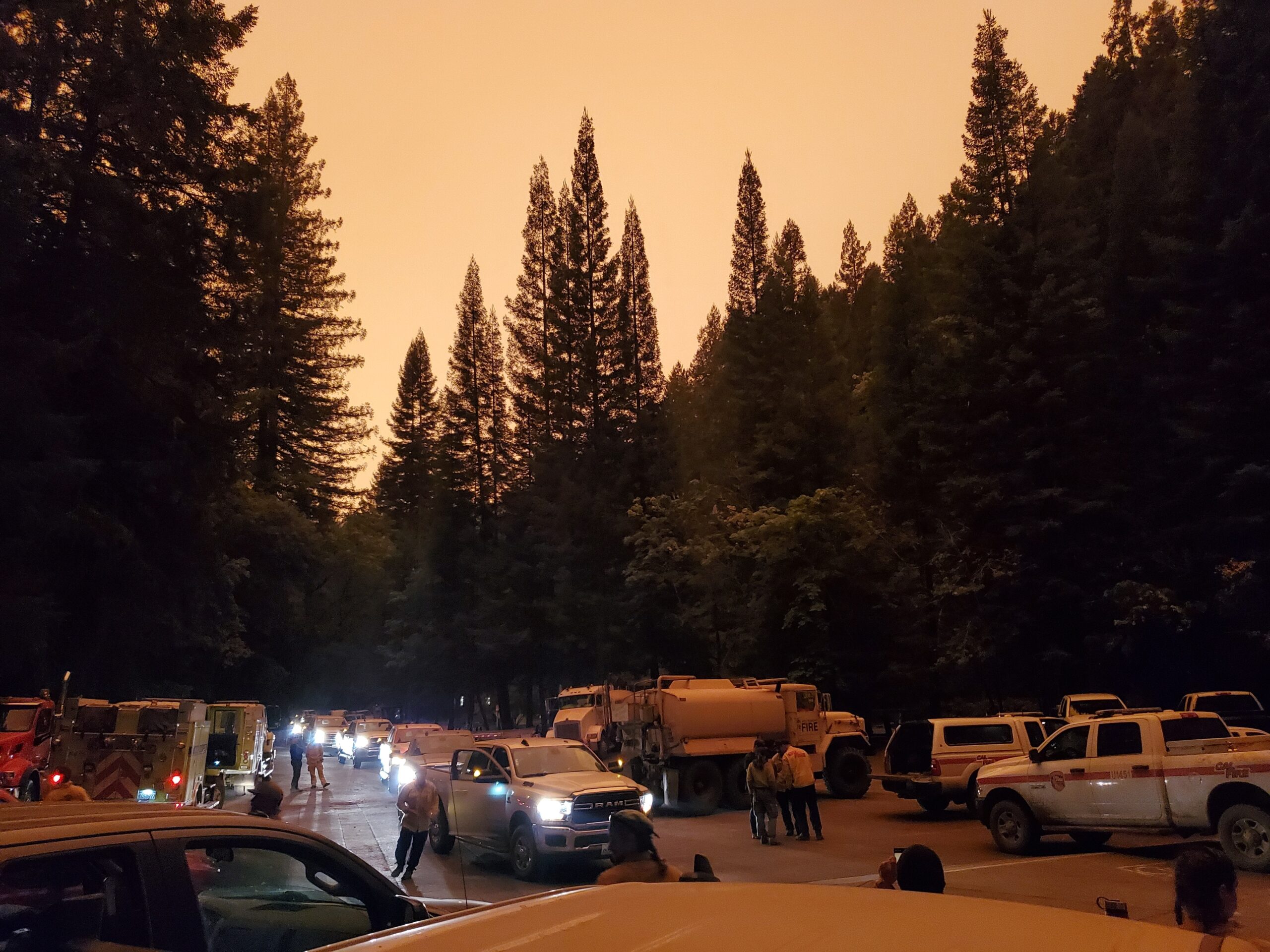
A watershed moment for the GFA came during another time of devastating wildfires for Sonoma County. As the 2020 Walbridge burned through Austin Creek, CAL FIRE crews faced a challenging dilemma. Initially a top priority within the LNU Lightning Complex, the Walbridge Fire became the top priority fire in the entire state due to the number of residents and homes at risk.
“There just weren’t enough hand crews available due to the number of wildfires burning throughout the state,” Ben Nicholls, former CAL FIRE LNU Division Chief recalled. “It was painfully apparent something needed to change.”
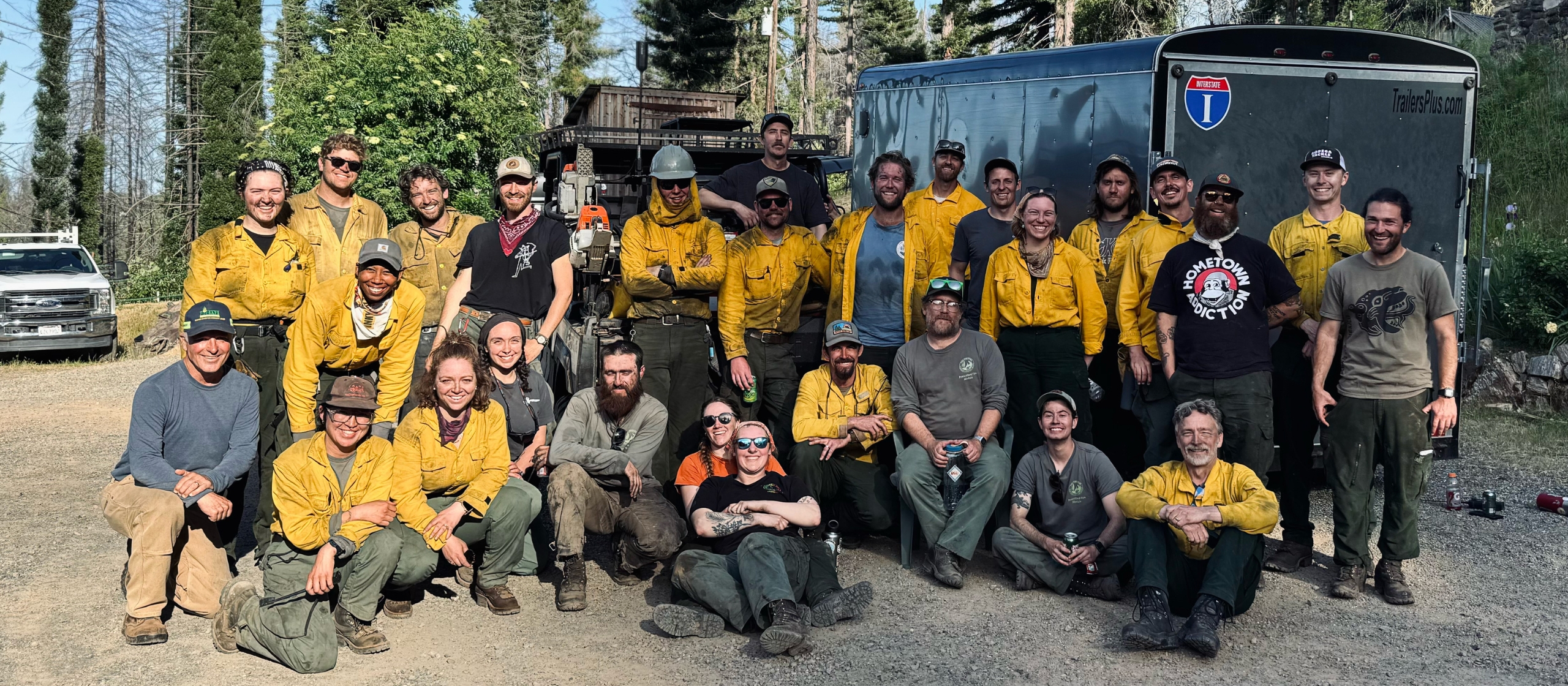
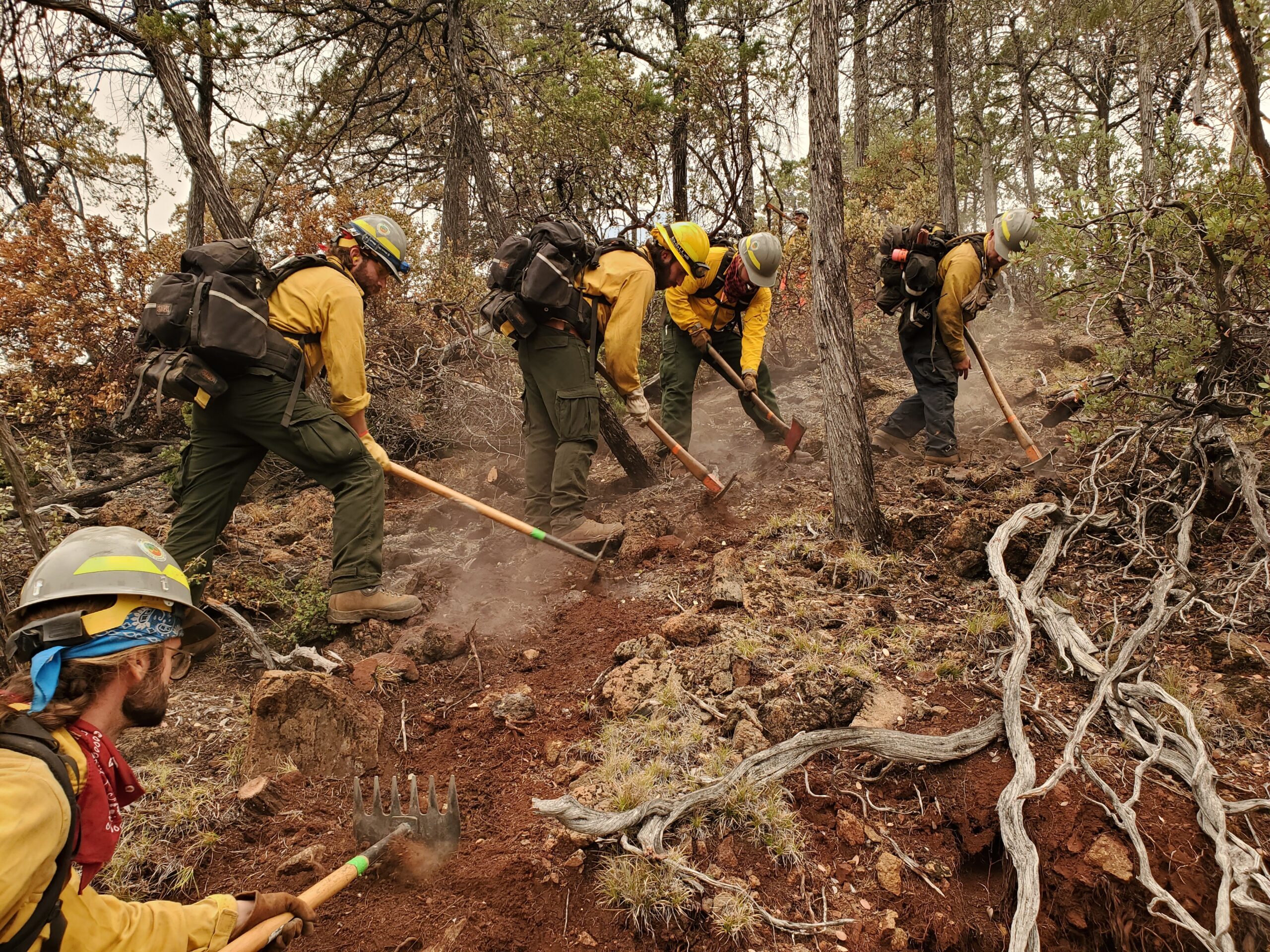
From this critical juncture, the first formal partnerships between CAL FIRE, local fire agencies, and the GFA were launched. Northern Sonoma County Fire Protection District hired GFA members, local residents trained in prescribed fire, to serve as a hand crew on the Walbridge Fire. The unprecedented decision built a foundation of trust in the GFA as a skilled workforce that could start to change the fire paradigm in Sonoma County.
Wake-up call for a new kind of workforce
In 2021 after multiple seasons of destructive wildfires, the governor called for a state-wide increase in prescribed fire in California’s Wildfire & Forest Resilience Action Plan. In Sonoma County, that meant at least 2,400 acres per year needed to be burned.
“On a good day, I could bring about a hundred fire agency personnel to a project,” said Nicholls. “But the county has about 500,000 residents who could be included in the effort to build resiliency before the next wildfire.
The trust-building that began on the Walbridge Fire made way for agencies to begin seeing the local prescribed fire community as an investment.
“People who live here want to make the landscape a better place,” the former division chief continued. “The partnership between all the prescribed fire practitioners in Sonoma County has been recognized as a successful model to implement good fire at the scale and pace needed to re-establish healthy and resilient landscapes.”
Nicholls retired from CAL FIRE earlier this year to work more directly on community resiliency as Fire Safe Sonoma’s executive director and serves on the GFA steering committee.
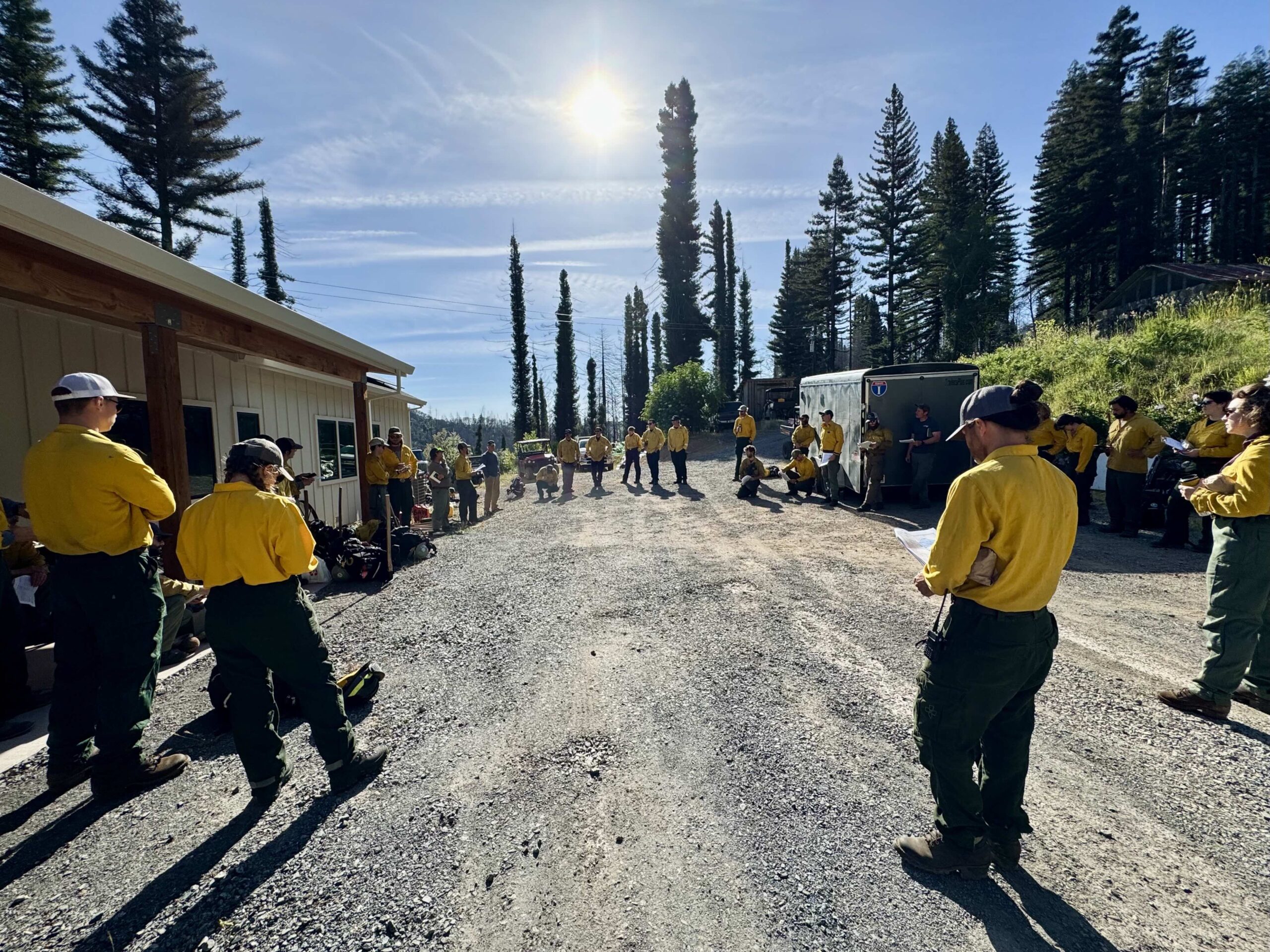
From wildfire recovery to community resilience
“I’ve seen it from the landowner side, from a fire recovery standpoint and as an ecologist who spent a lifetime trying to restore habitats,” said Dan Grout, a career restoration biologist and Firewise USA community leader. “And I’ve seen it as a real-world community resilience effort.”
Grout, who lives in Mill Creek, lost his family home in the Walbridge Fire. Their home sat on a 100-acre property of coast redwood forest his family has stewarded for several generations.
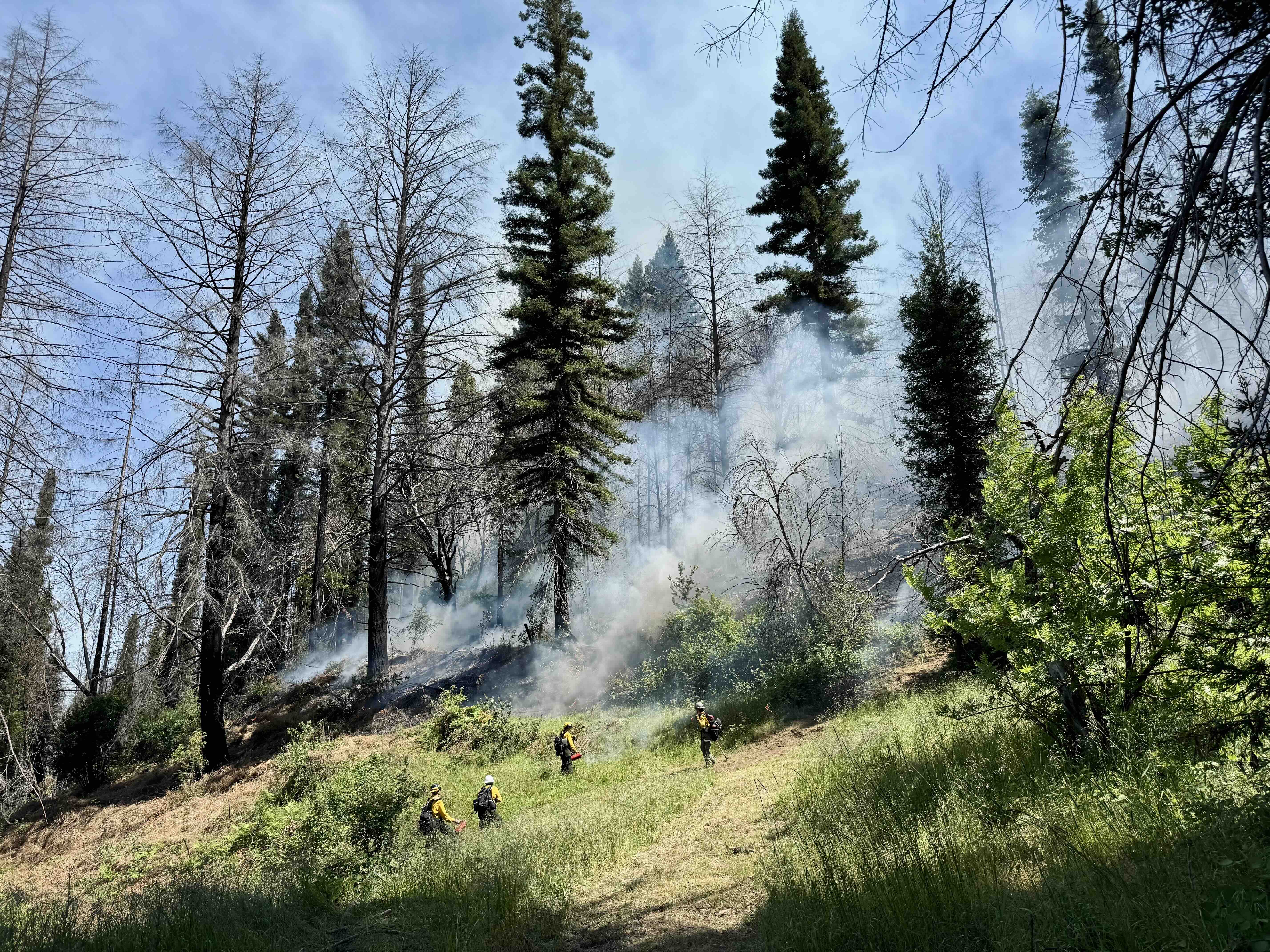
Good fire returns to the Walbridge burn scar
Grout and his family chose to return and rebuild their home, determined to educate himself and help others. He organized his first pile burns with support from the GFA in 2022. “It started out being a little lonely, but all the organizations started helping with post-fire recovery and rebuilding my sense of hope and community.”
In the spring of 2025, the GFA conducted a cooperative burn to tackle invasive French broom that had moved into the severely burned areas of the property. “My takeaway from that day was this amazing sense of camaraderie,” said Grout. “I just felt this wave of immense gratitude. It went from me against the world to: ‘We will do this, we are doing this, and we’ve gotten really good at doing this together.’”
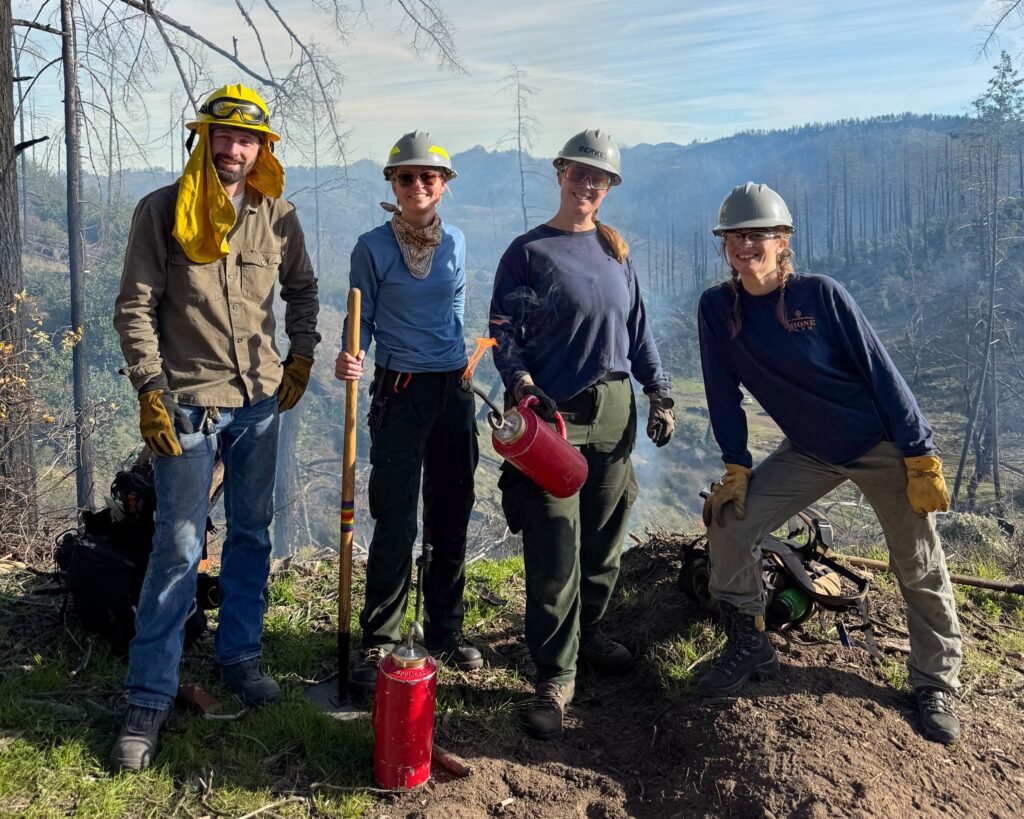
Mutual aid leads to super-sized stewardship
Eight years later, the GFA has proven its endurance as a community-based network of locals who have returned good fire to over 4,000 acres across the North Bay. The GFA is one of the largest and most active PBAs in California with over 1,000 members, 800 of whom are fireline trained and actively participate in cooperative burns.
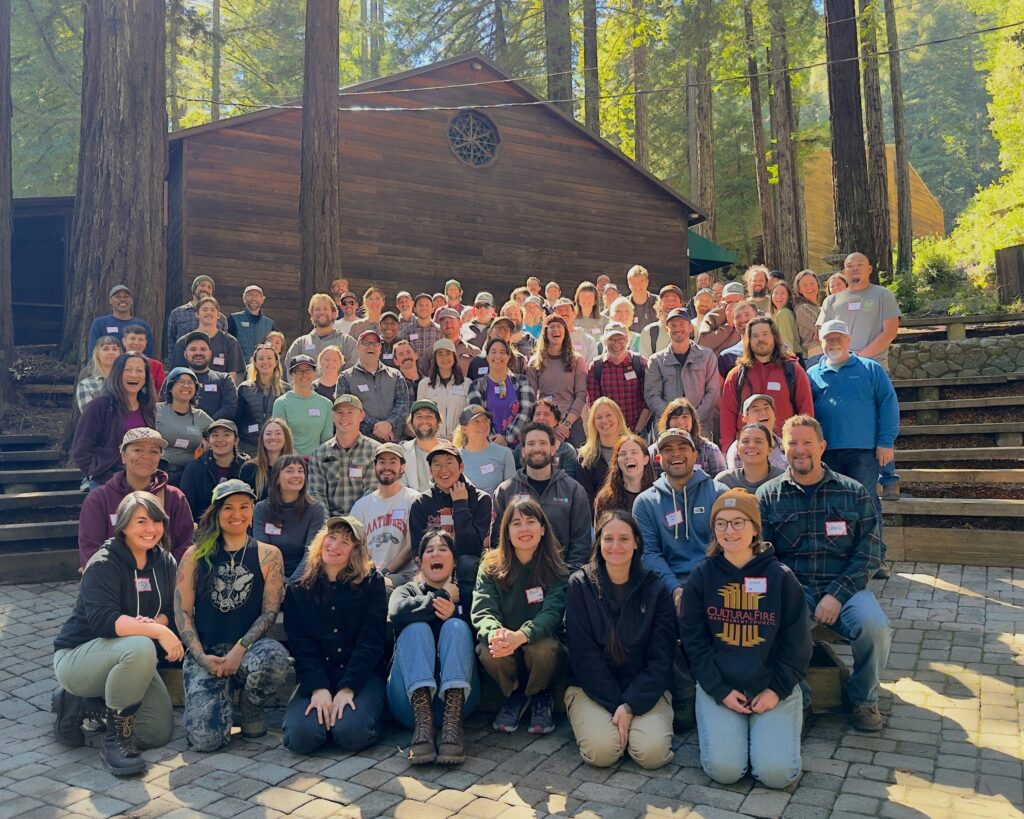
We’re in this dirt together
Get involved with the Good Fire Alliance. Connect with other locals who want to share their skills with you. Check out the GFA hub for information about upcoming cooperative prescribed burns, jobs, trainings, and opportunities to develop as a fire practitioner.
Get involved with the Good Fire Alliance >
Support training people to safely use good fire. Does this work light you up? Our not-for-profit work is made possible by funding from generous individuals, businesses, foundations, and community groups who share the costs of prescribed fire management, hands-on skill building, and public education.
Support training people to use good fire with a donation >
Support the Beneficial Fire Capacity Act. Currently moving through the legislature, this new California bill supports building capacity with community-led burning across the state.
Ask your California representative to support AB 1891 >
Header photo: Erika Lutz