
Desarrollar las habilidades para hacer ciencia, no sólo aprender el contenido
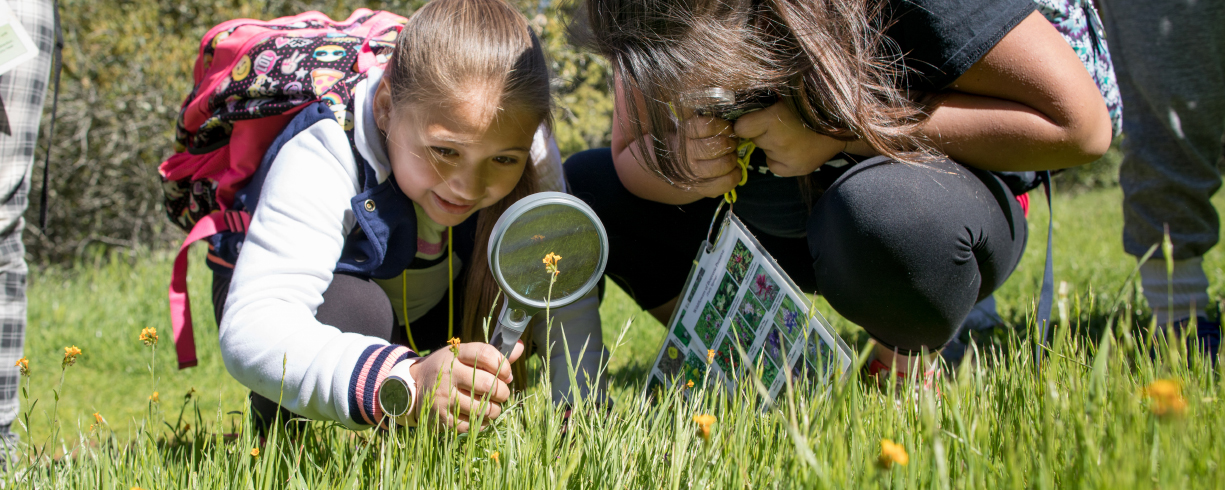
Learning is impactful when students have the opportunity to engage directly with nature. By observing the natural world with sustained attention and curiosity, they cultivate a deeper connection to land and each other. These type of experiences learning from the community and the land foster a sense of care and responsibility, laying the foundation for a lifelong relationship with the natural world.
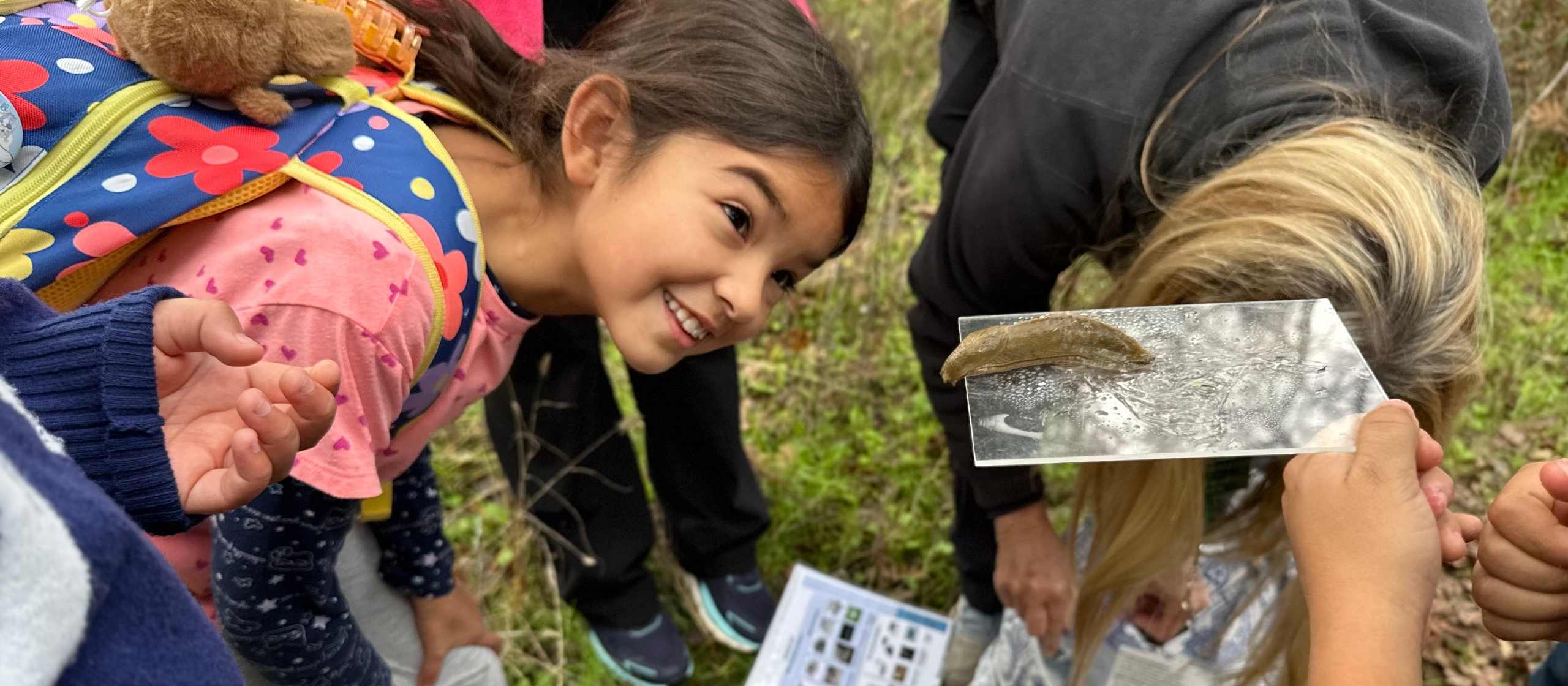
In our school program we focus on personalized, small group experiences in nature. These ignite curiosity, build observation and inquiry skills, and instill a sense of agency to make a positive impact in their own community. The focus is on student centered learning, where students are guided by caring docents and staff to share their prior knowledge and make their own observations to spark their curiosity. The school program focusses on 3rd – 5th grade field trips at two of our Preserves:
Bouverie Preserve
Bouverie Preserve is located in Glen Ellen, Sonoma. We primarily serve schools from Sonoma and Napa counties. We can host up to 60 children from 3rd or 4th grade at a time, in docent-led groups of 4-6 children with a school chaperone accompanying each group.
Martin Griffin Preserve
Martin Griffin Preserve is located on the Bolinas Lagoon, near Stinson Beach, Marin. We primarily serve schools from Marin, San Francisco and the East Bay. We can host up to 35 children at a time from 3rd– 5th grade, in docent-led groups of 5-6 children with school chaperone accompanying each group.
Equitable Access
We are committed to creating equitable access to nature. As such, our school programs are free, and we offer bus scholarships to schools who need it in order to reduce barriers to participation.
What children are saying about the experience
“The creek was fun because it felt really peaceful and ex(c)iting at the same time.”
“Finding a deer skull because I have never found a deer skull before.”
“I loved seeing all the flowers and pollinators in the oak woodland.”
“I ate in nature and that was new to me.”
A lo largo de toda la experiencia, contará con el apoyo de un conjunto de recursos basados en normas, muchos de los cuales pueden descargarse a continuación.
Become a docent. Training begins this fall!
Exploring nature with children in small groups is a valuable way of providing depth to their discoveries and discussions. To do this, we rely on a large group of highly trained volunteer docents.
The education of docents is part of our mission. We offer ongoing training for our volunteers that expand their own connection to their natural environment and commitment to conservation as well as their understanding of effective learning processes so that they can share their love with children. Our volunteers are ultimately community ambassadors, promoting reciprocity between humans and the land.
Docents ignite curiosity for nature, promote inquiry of natural systems and organisms, and engage small groups in dialogue about conservation and stewardship.
Training for docents serving both Bouverie and Martin Griffin Preserve occur annually. The training consists of five training days spread out over a year, with on-hike training taking place shadowing docents and co-teaching with docents. You’ll learn from the best and practice in a supportive environment.
Profundizar en el compromiso: Aprender a ser un buen vecino de la vida silvestre
For Elementary School Classes: Our Wild Neighbors Unit on mountain lions
All Hands Ecology ecologists and partners at True Wild are studying our region’s mountain lions using GPS-collars to understand their lives and needs by tracking their movements in this human-populated and fragmented landscape. Many people are uncomfortable with co-existing with America’s top predator. We aim to replace fear with curiosity and empathy through sharing what we know about mountain lions.
We have created a series of lessons for teachers to deliver in their classrooms, that culminates in a session with a knowledgeable Lion Ambassador. For those schools which are not in our geographic area of operation, we are able to offer the program remotely via Zoom.
For Middle and High School Classes
Our classes for middle and high school students are designed to be interactive and have students working with real data. Classes typically start with an overview on mountain lions and some of the primary finding of the Living with Lions project, including some amazing footage of mountain lions and their cubs from the area.
Then students work in pairs to analyze data. They can use GPS points on satellite maps to figure out what habitat mountain lions prefer. From there, they can predict suitable habitat in the North Bay and estimate the number of territorial mountain lions using that landscape. They can explore home range size and interpret variations in movement patterns.
Educational Resources
All Hands Ecology has developed a wealth of free classroom resources you can use to explore nature and get kids excited about science and conservation. Browse the resources below by age, topic, or type of activity.
Examples include:
Unidad de aves silvestres vecinas sobre la garceta común
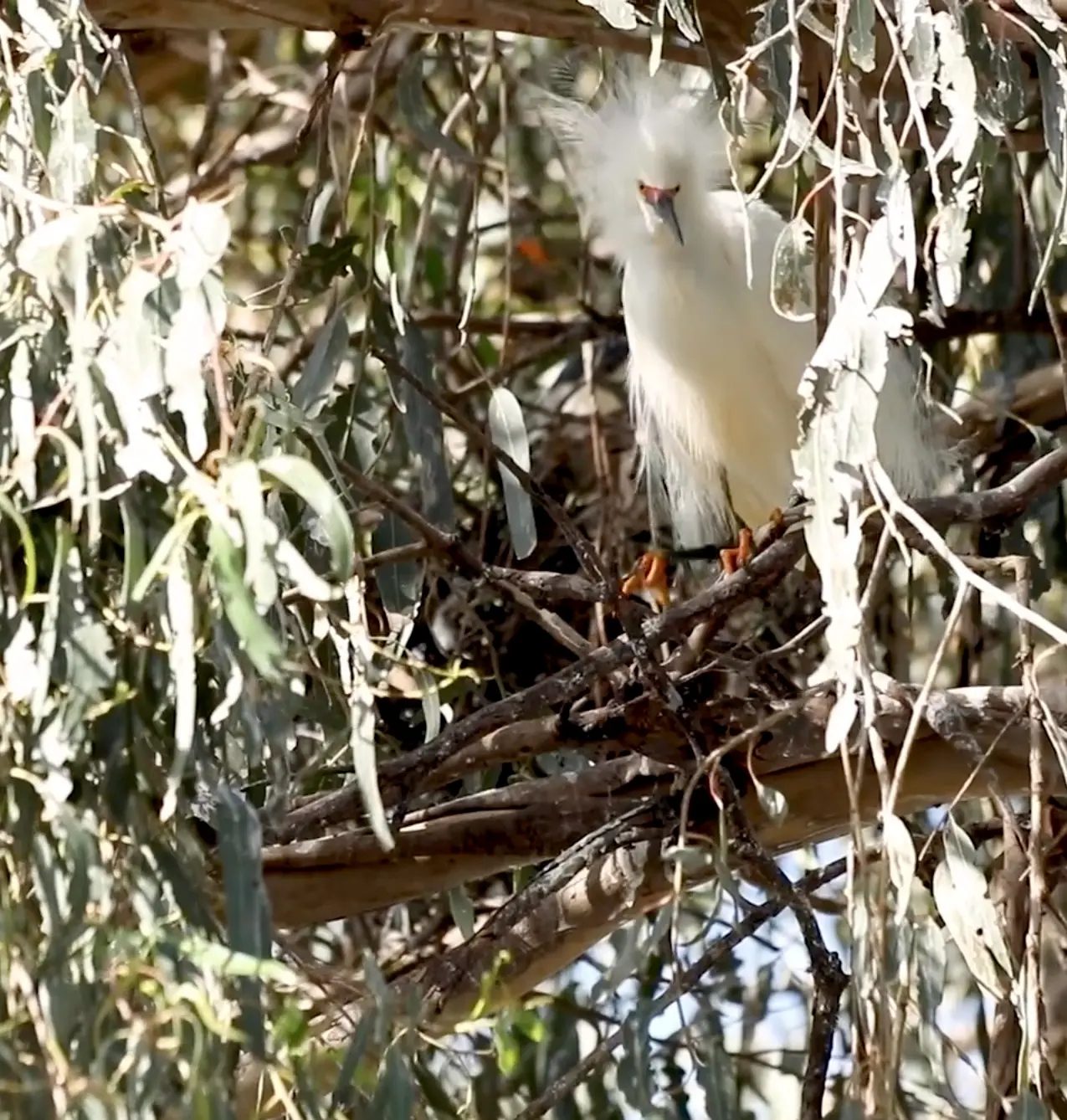
This unit teaches about the lives of Great Egrets and other wading birds that live and nest in the Bay Area. Students will learn about the lives of these majestic birds and how to help insure their survival through story books, lessons, videos, and a board game. The unit includes a graphing lesson that meets fourth-grade math and science standards and a mapping activity that teaches students about reading maps and scale.
Conservation Science Intensive
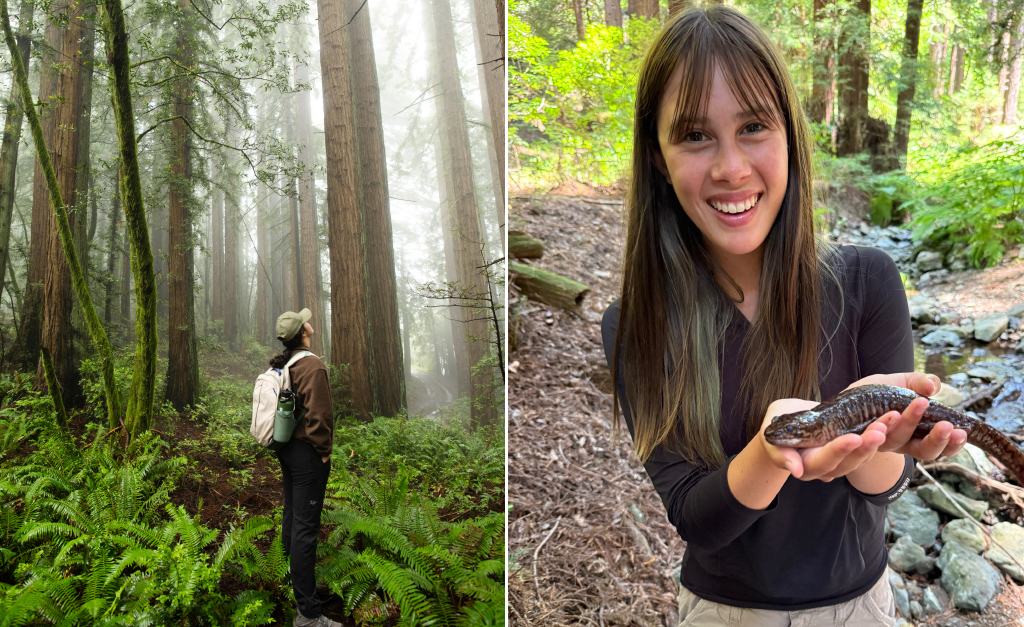
Conservation Science Intensive (CSI) was a summer leadership program developed in 2016 to mentor, educate, and empower youth approaching college, to find their passion in the conservation field.
CSI responded to a real and urgent need—to offer young women immersive, place-based opportunities to build confidence, explore career pathways, and find community in the field of conservation.
Over the past few years, we have been doing a lot of listening and reflecting—asking ourselves a guiding question: How do we best serve our community today? Our experience and participation trends suggest that the landscape has shifted.
In early 2026, we made the decision in to sunset the CSI program.
Contenido relacionado

Upcoming Event
Almuerzo del Círculo del Legado de Clerin Zumwalt
July 11, 2026 - 10:00 am to 1:00 pm
Reserva Martin Griffin
