
|
Getting your Trinity Audio player ready...
|
Setting the tone for the day
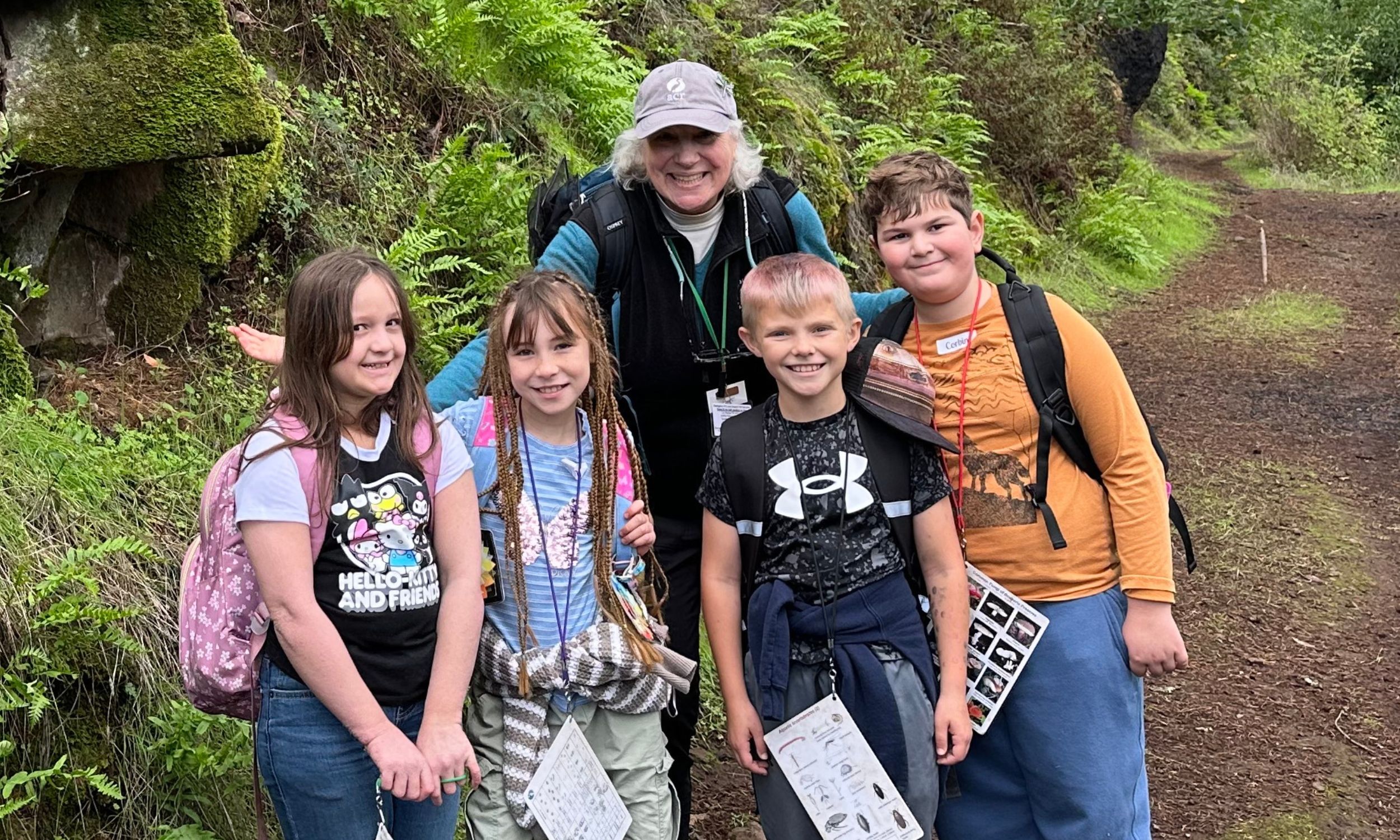
For docent Lauran Hawker, guiding third graders on nature walks begins even before the first discovery is made. The trips she leads at Bouverie Preserve near Glen Ellen, start with asking students to think about their intentions for the day. Then Hawker takes the small group, typically four to six kids, to a place overlooking the lower fields and buildings.
“We talk about what this preserve is for. I say, ‘This place is for you. You are now the stewards of this land.’ We talk about what it means to be a steward.”
From the beginning, students are invited into an awareness that they belong on the land, and the field trip is about their experiences, questions, and curiosities. In our school programs, we are not simply providing memories or facts about nature. We are helping lay the foundation for lifelong appreciation and stewardship by fostering joy and kinship with the natural world.
A joy-centered approach
“If our goal is to empower young people to care for this planet, it begins with a sense of belonging,” said Catie Clune, director of education. “We create opportunities for young people to develop their own emotional, relational, and sensory connections with nature. It’s a joy-centered approach that can leave a lasting impression.”
For Hawker, a docent of eight years and former schoolteacher and principal, this method comes naturally.
“Children are not empty vessels,” said Hawker.
Out on the trail, she makes space for them to design the day. “I tell them,” Hawker explained, “they are the leaders of our adventure.”
Hawker elaborated on this approach: “By setting them up as being stewards right away, they can see that they have importance here.”
Clune and the education team have been developing a framework that recognizes that students are contributors to knowledge, not just recipients. Docents provide choices for activities, encourage leadership, invite questions, and honor what the students already know.
Clune explained: “Young people are going to be more invested in learning when they help shape the learning experience.”
Asking open-ended questions
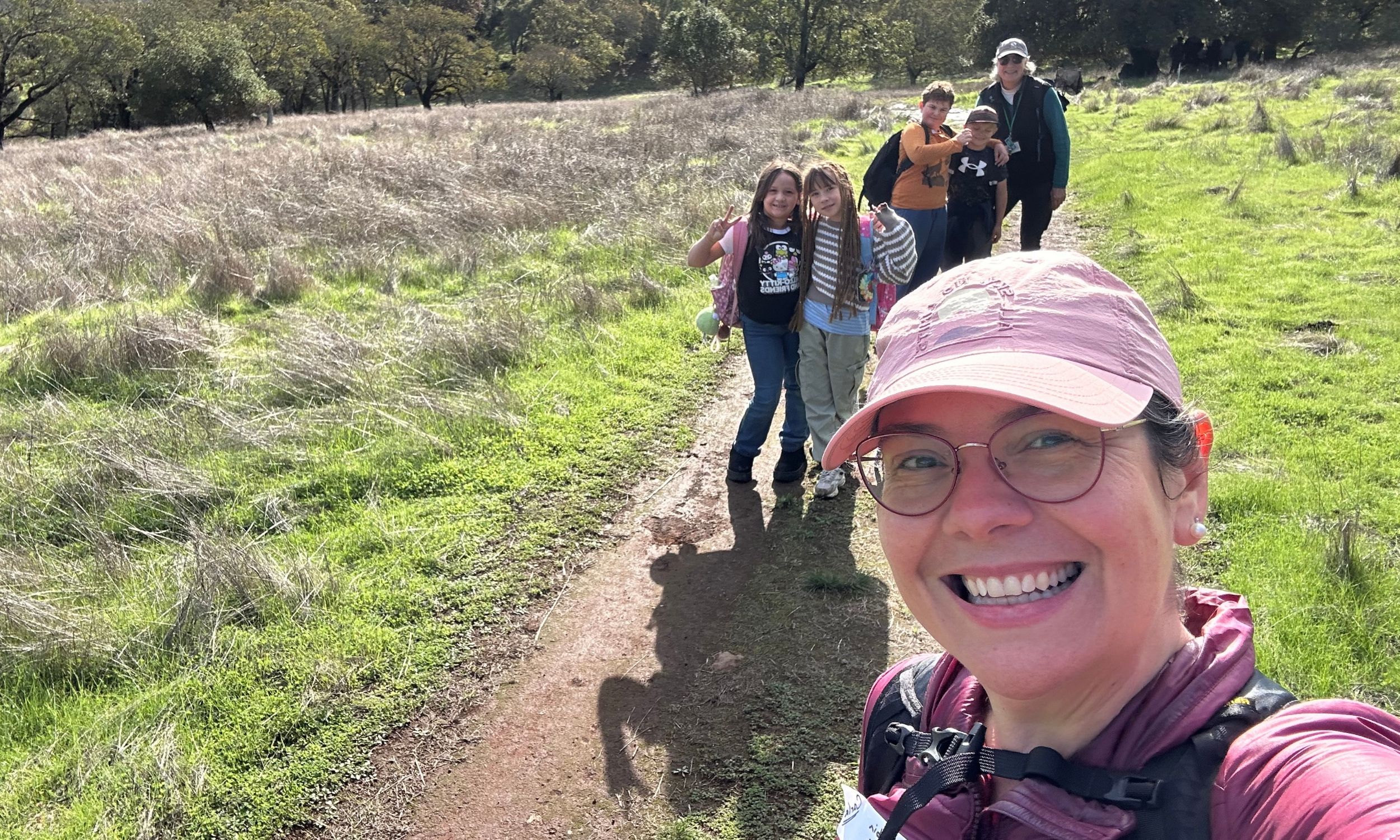
Carla Terre, a chaperone on one of Hawker’s field trips and parent of a third grader, was deeply impressed by this approach. .
“With Lauran [Hawker], whatever caught their eye, she was able to seamlessly and effortlessly interact with them about that thing,” said Terre, “asking questions that were open-ended to elicit their curiosity and interest.”
Terre was particularly touched by seeing her son excitedly sharing his knowledge.
“He had all these answers to questions that I had no idea he knew,” Terre recalled.
From curiosity to scientific inquiry
“An educational approach that centers joy and engagement is complementary to and supports teaching science,” Clune shared.
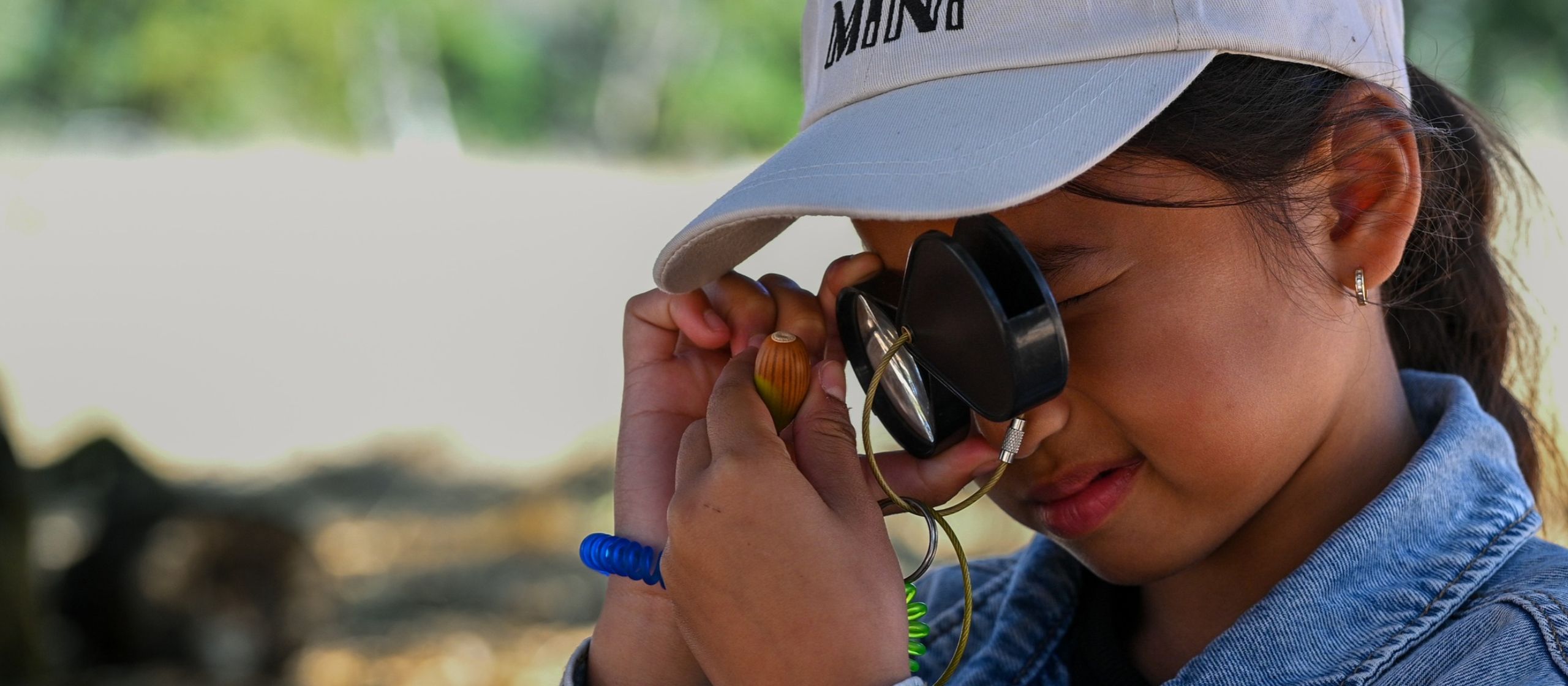
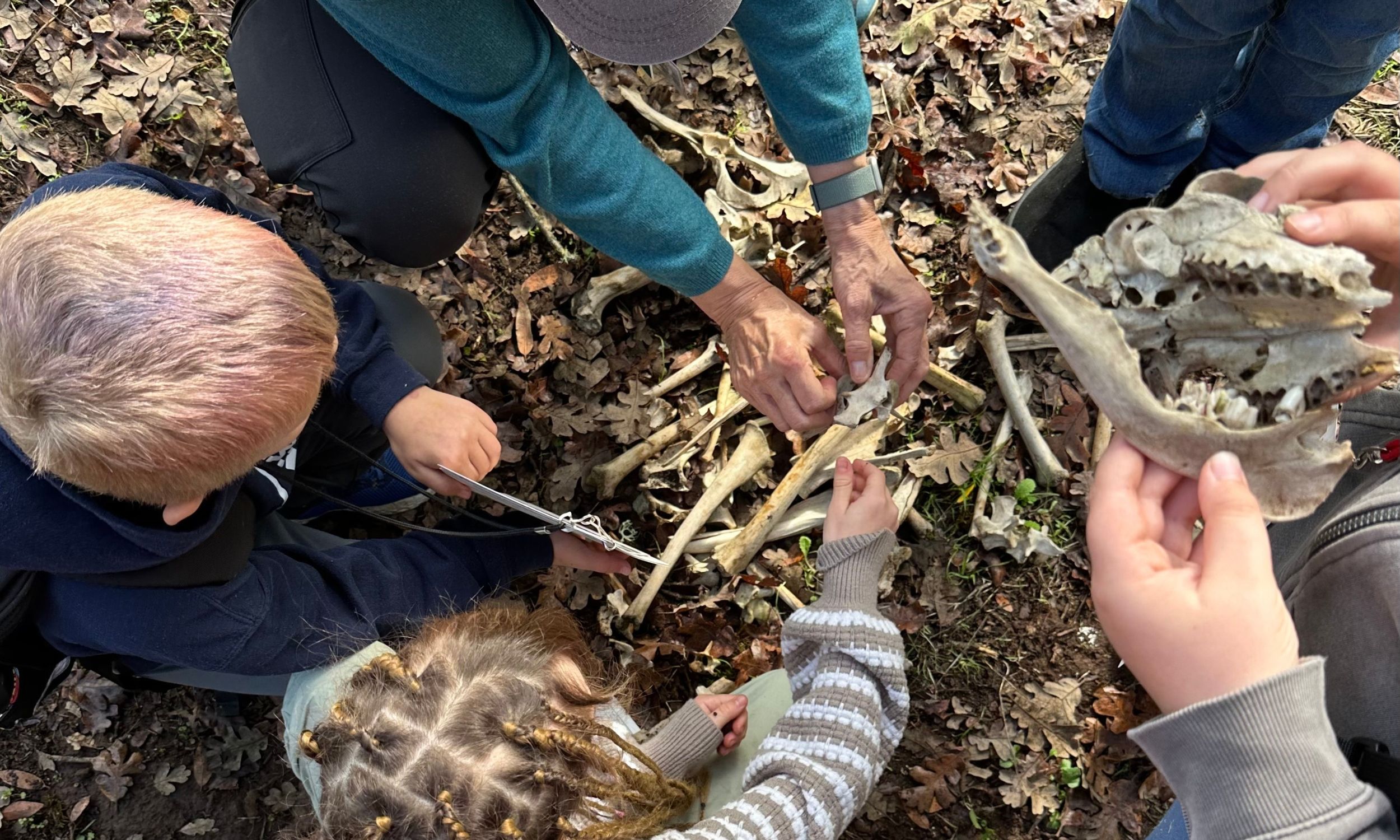
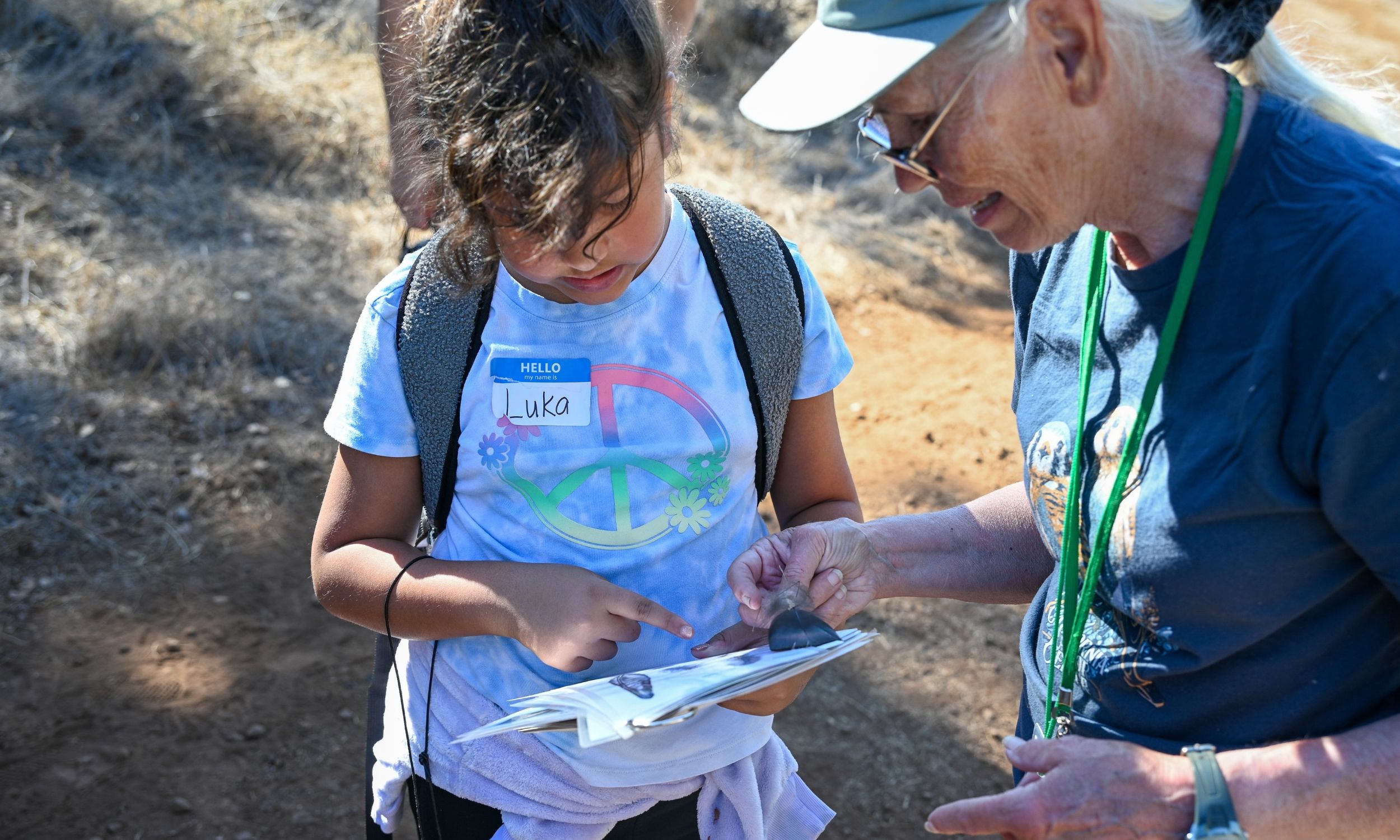
With activities like turning over logs to find glow worms or scorpions, drawing the underside of leaves, or thinking about habitats as houses, field trips are playful, but they are also scientifically meaningful. Students enter into careful observation and ecological thinking, while gaining respect for living systems.
According to Hawker, the docent learning activities have always revolved around curiosity. In recent years, she’s seen an evolution in the program that’s “less front-loaded with information.”
“We’re still weaving in biomes, tracks, skulls, and mountain lions,” said Hawker. “But there’s more child-led discovery and inquiry, which is great.”
Lasting impressions
At the end of field trips, Hawker is amazed by what the kids say.
“When they return, they have a deeper connection,” she said. “They fall in love with this place.”
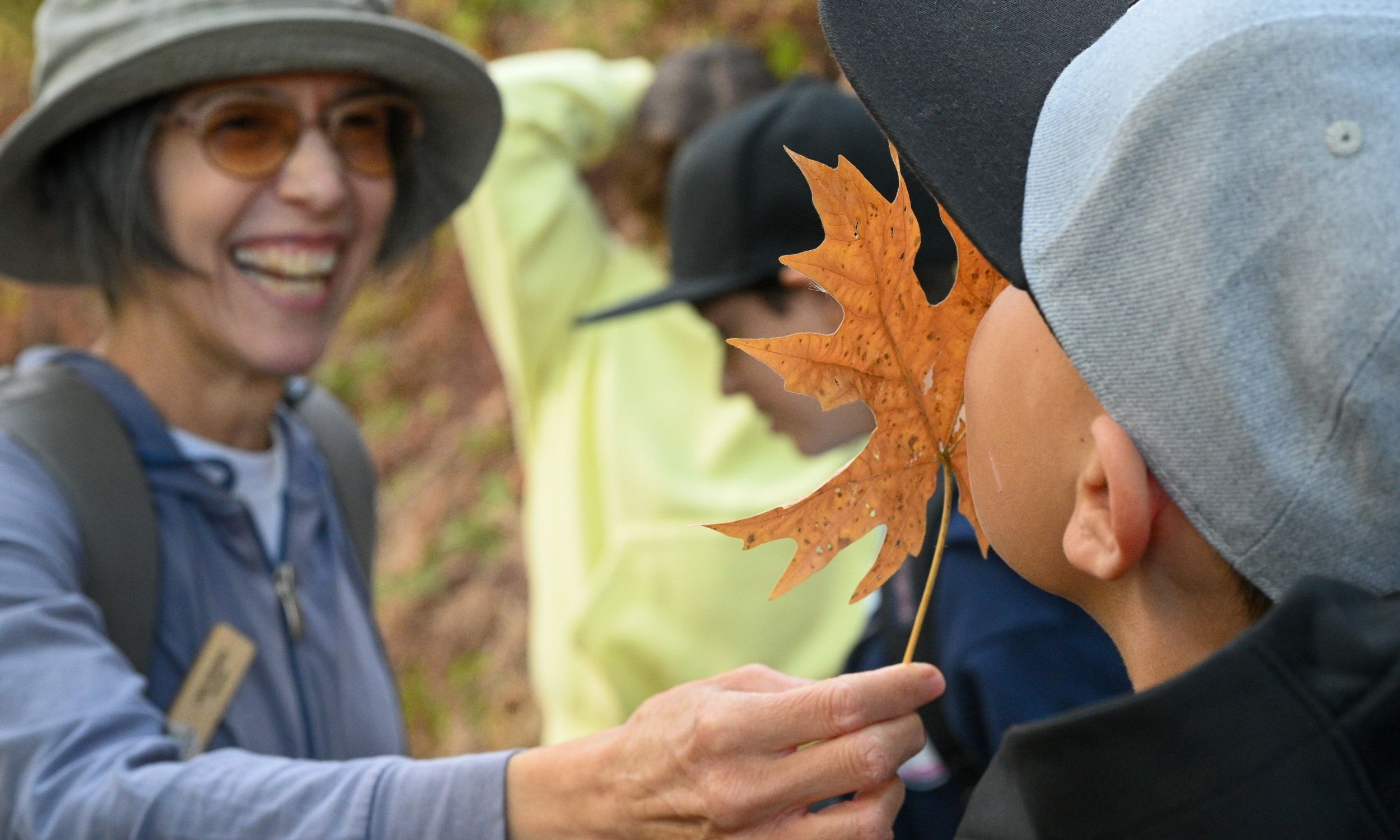
Time and again, she has been the witness to transformations, as students return from the field with an enduring memory — a moment of seeing an animal in the creek, learning about deer through bones, or drawing a leaf for the first time.
“When they arrived, they were excited because they were on a field trip,” Hawker explained. “When they return, they have a deeper connection with the soil, trees, and creek, a connection they never had before with the natural world.”
For Terre, the field trip also left a lasting impression.
“Lauran came over to me and said, ‘“I think you have a budding naturalist,’” Terre recalled. “Now I can bring it to life outside the field trip by supporting his interests.”
Help build the future of conservation
Join us in empowering young people to be stewards and caretakers of this planet. Donate today.