|
Getting your Trinity Audio player ready...
|
Tectonic movement
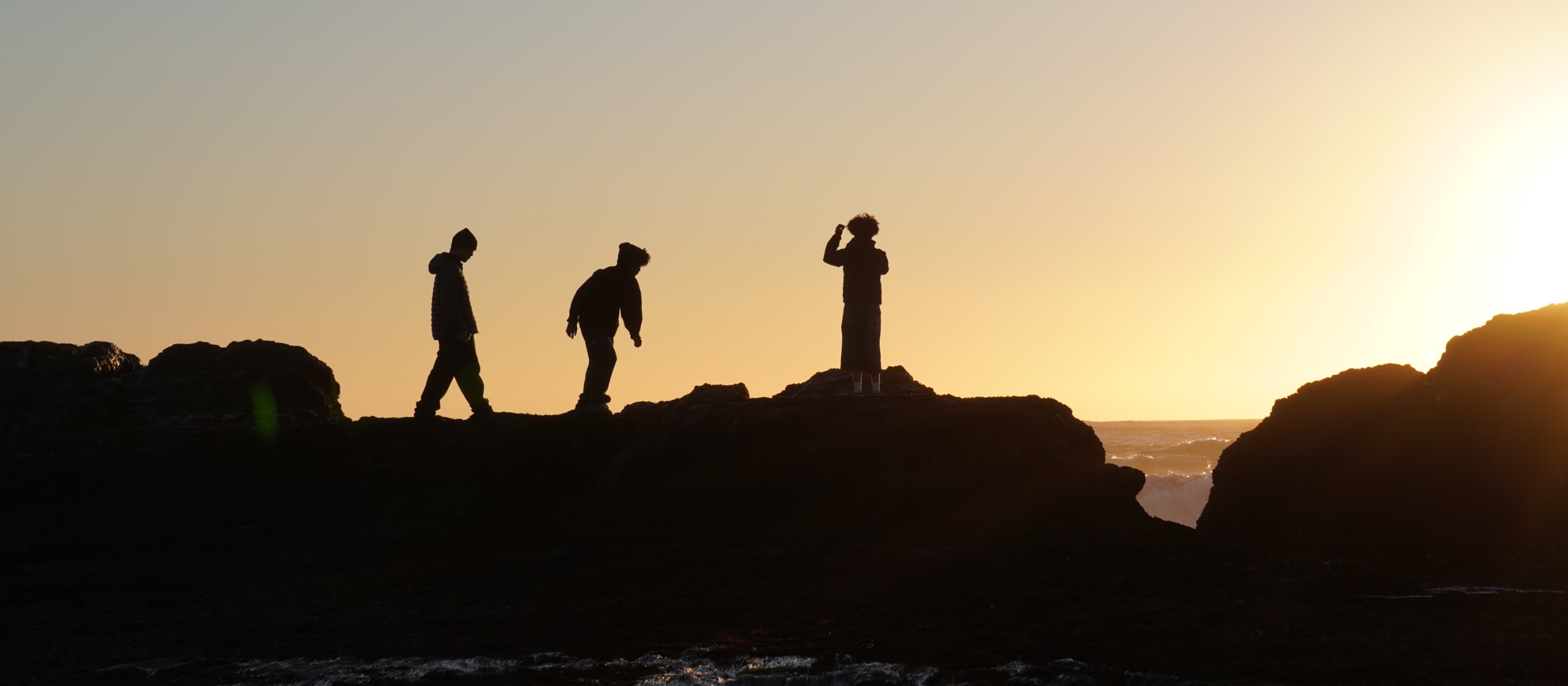
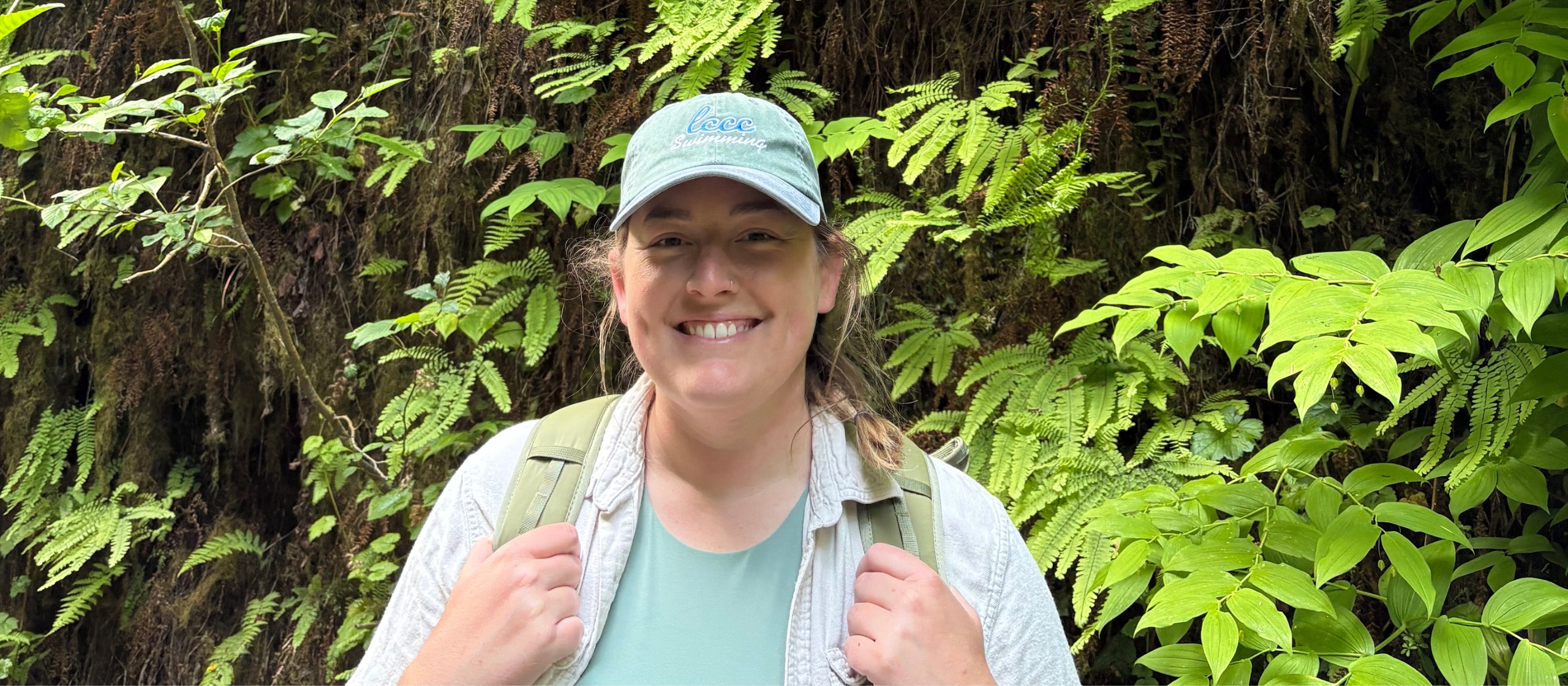
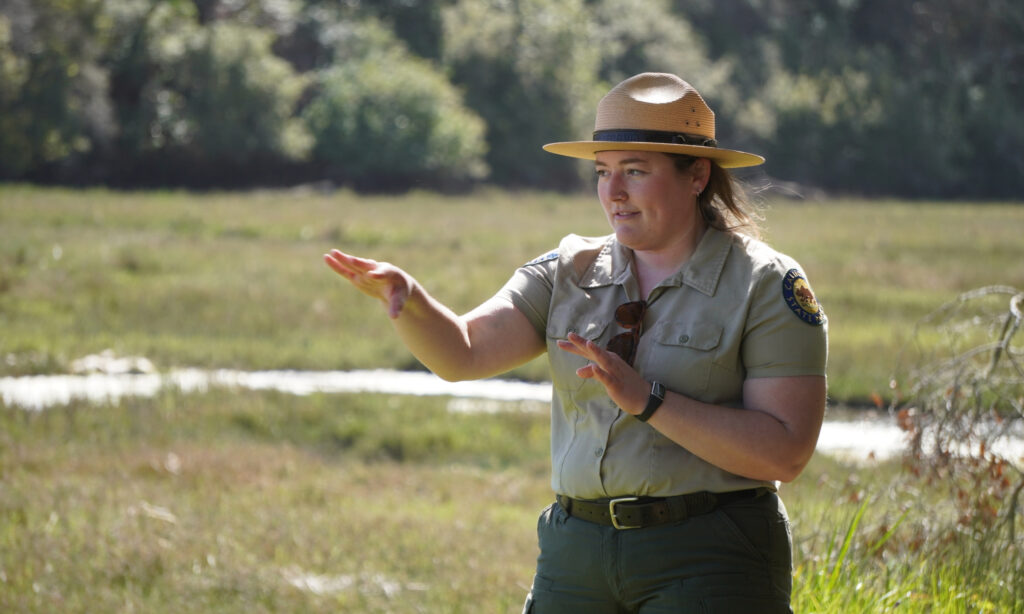
During a California Naturalist geology field trip, standing before a rockface in West Marin, Kaylie Williams was confronted by two kinds of shifts. The first was written into the land itself. Geology expert Don Jolley brought to life the story of molten basalt rising from the ocean floor millions of years ago. The second shift was more personal. As a California State Parks interpreter, Williams is often the person in uniform leading the experience and answering questions. But in that moment, in the shadow of the rockface, she was invited into something different — the chance to reconnect with the very sense of wonder that brought her to this work in the first place.
“I felt like I was little Kaylie again,” she shared. “I had permission to nerd out about these really cool natural things around me.”
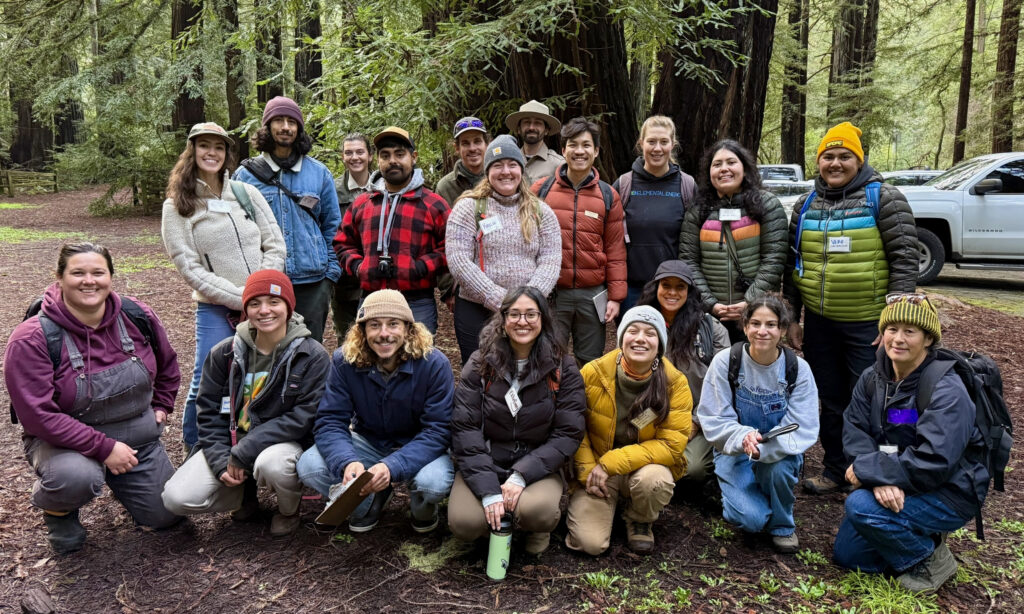
This moment would come to define Williams’s experiences in the California Naturalist program, also referred to as CalNat, a three-month course of field trips and Zoom presentations. CalNat inspired and emboldened Williams to reconnect with her “why” and reshape her approach to her work — from teaching about parks to helping people feel that they belong in them.
The CalNat container
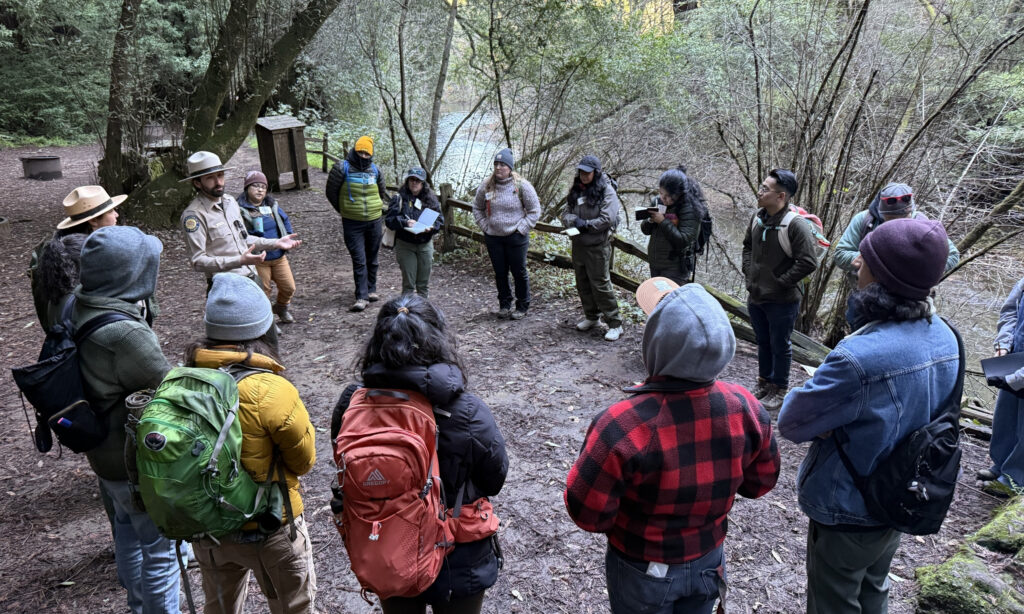
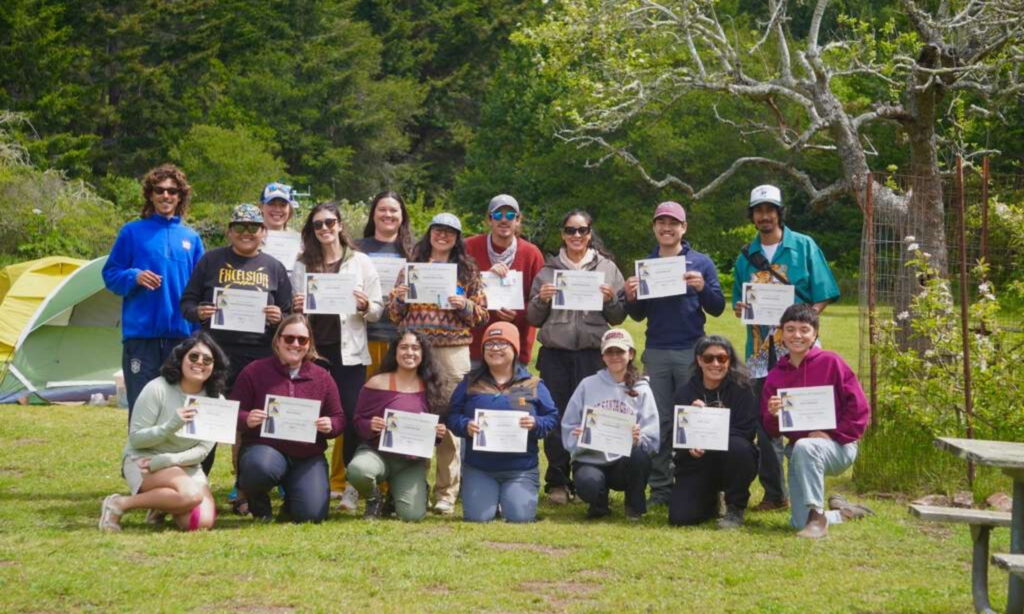
The space for her transformation didn’t happen by chance. Through a partnership between All Hands Ecology and California State Parks, this year’s CalNat course was designed to integrate State Parks staff and field trips to help CalNat participants build meaningful relationships with the land, the staff stewarding it, and each other.
Catie Clune, director of education, said: “Kaylie’s participation in the course, along with others in the cohort, was supported through a Parks California grant. The funding helped create space for a wider range of people to participate, and that is exactly what makes this class so special. The diversity of perspectives enriches the experience for everyone. When we build a culture of belonging, we create space for deeper learning, stronger relationships, and a community where everyone has something valuable to teach and share.”
The grant funded scholarships for five CalNat participants, along with State Parks entrance fees for the class.
Shifting her perspective
When Williams received an invitation from the All Hands Ecology education team to take the CalNat course, she leapt at the chance, seeing the invitation as a rare opportunity for professional development in places she already worked.
One of the first things Kaylie learned in CalNat, though, was unexpected and wasn’t written in the course syllabus. She expected textbook readings and presentations from experts. What she hadn’t anticipated was the excitement, along with the vulnerability, of the CalNat learning environment which encouraged curiosity — without knowing the answers. Accustomed to being the person with expertise, this took her by surprise.
She shared: “I was emotional…It felt like a release…I could let my guard down and be me — not the interpreter who works for State Parks, just personally be me…. I don’t have to know everything, I can just learn and be with this class.”
Letting go, Williams was able to focus on her joy and embrace her identity as a naturalist beyond her job.
“It reminded why I got into this profession in the first place…” she said. “It changed my life.”
Becoming the guide on the side
Williams’s shift was not only personal. She saw how reimagining her approach to her job could expand access for others. “The way to boost visitation or bring more people into the park,” she said, “is to foster a connection and a sense of place,” reframing access as something built through relationship to the land, rather than information about the land.
“To the point where people want to return and they want to bring their friends, their family, their kids, their grandkids in the future,” she continued.
Looking to the future
This summer Williams will be revamping curriculum for young people, integrating outdoor programming that asks them to “to slow down and be in a mindful space while nurturing the natural curiosity that they have,” she said.
In reflecting on Williams’s story, Clune shared: “Kaylie’s work will ripple outward through all the people she connects with. Her CalNat journey, along with the experiences of other leaders in the program, aligns with what we hoped for with this State Parks collaboration: supporting a dedicated workforce that stewards our stunning public spaces to connect with their why, their passion. We know that a strong connection to purpose and place can build the resilience needed to sustain long-term stewardship.”
More helping hands
Conservation work includes providing workforce development opportunities to people who may not otherwise have access to meaningful careers in conservation. Your financial support underwrites workforce development opportunities. Become a member or renew your support today.
To become a certified California Naturalist or Climate Steward, enroll in a 40+ hour course with an organization in a region near you. Learn more.