|
Getting your Trinity Audio player ready...
|
Reshaping stewardship
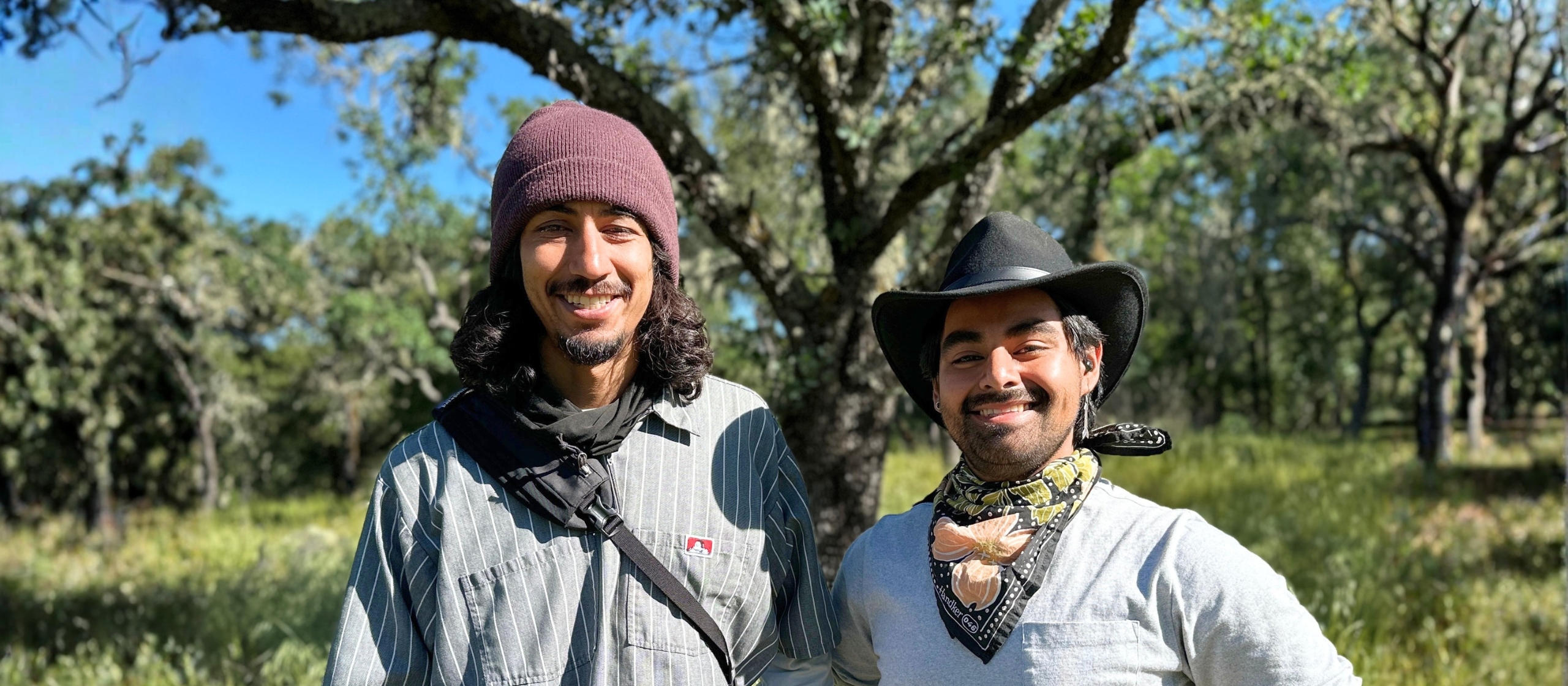
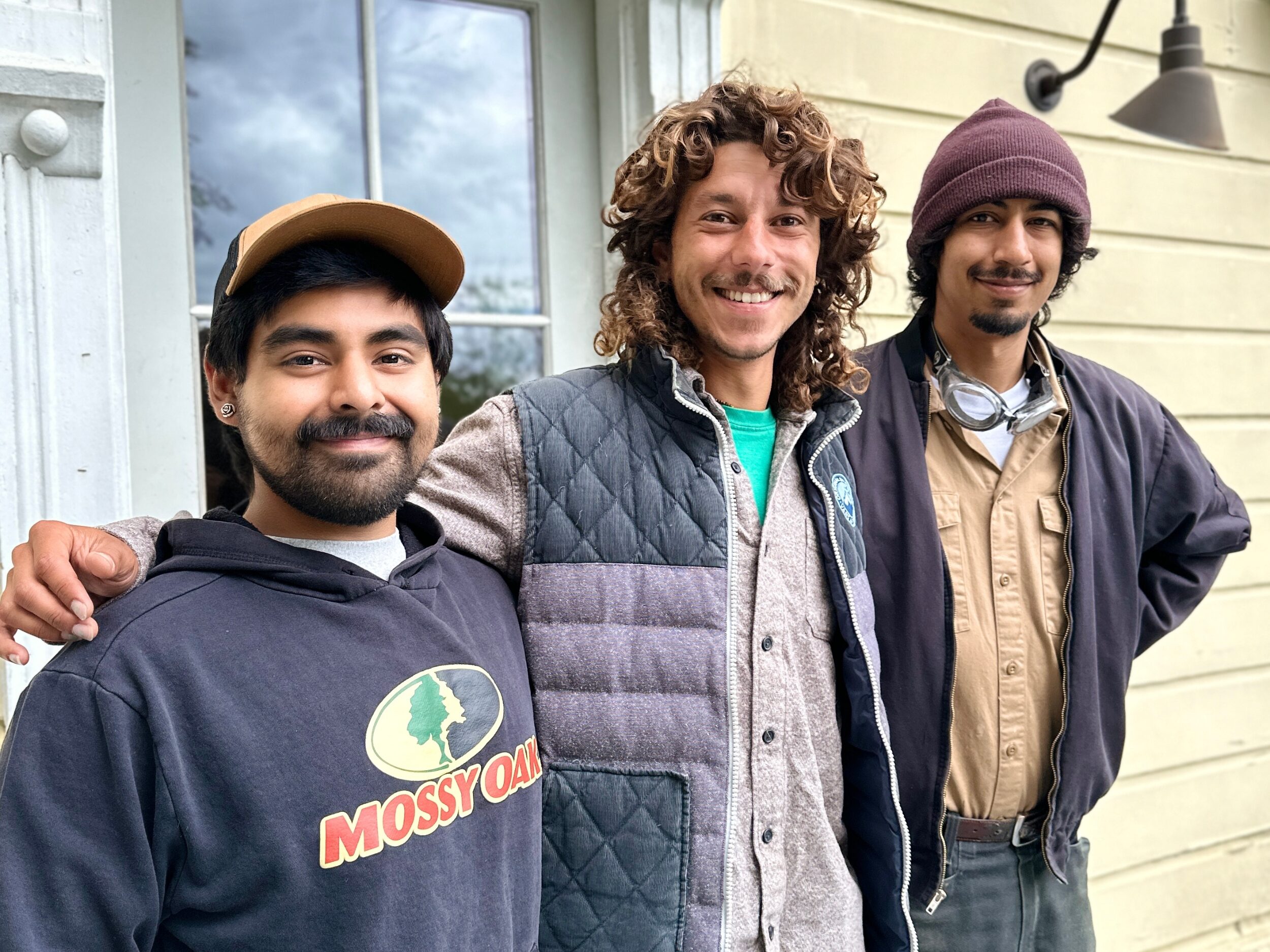
I met with Jonathan Lopez, 23, and Johnathen Carmona, 29, on the front porch of the Bourne House where they had been living at Martin Griffin Preserve. At the time of our meeting, they were four and a half months into a six-month steward apprenticeship, supported by a grant from Parks California.
They led me down a trail into the redwoods, toward a small clearing where they often spent time. As we walked, they listed the wildlife they had encountered while living on the land — deer, fox, coyote, and, one night, they heard a puma moving down the creek.
“I definitely didn’t expect us to live in the canyon by ourselves,” Carmona said. “Not a lot of opportunities are going to entrust a whole canyon to you.”
Living in the canyon they were entrusted to care for, they explained, gave them a sense of belonging and shaped how they understood their role as stewards during the apprenticeship program.
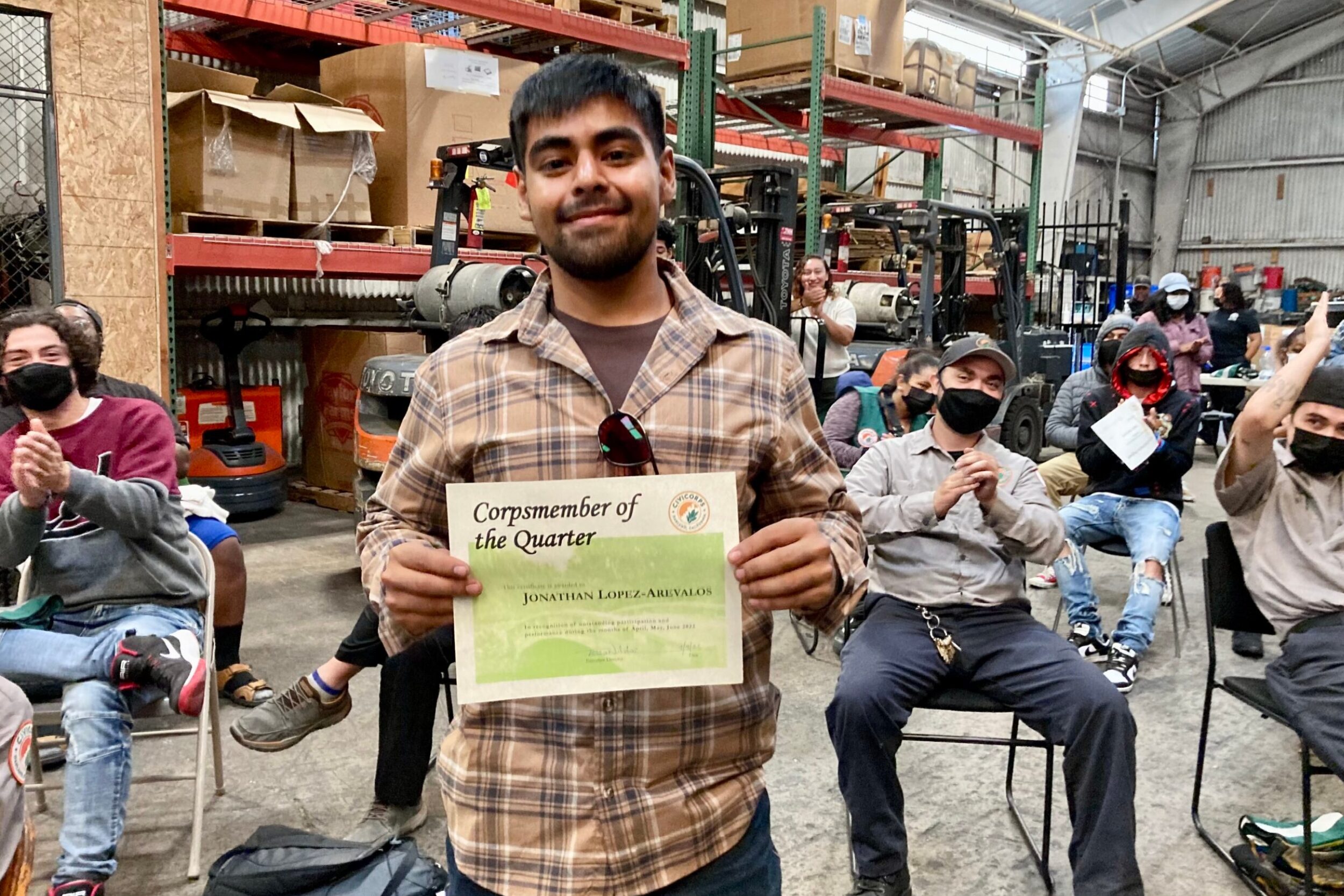
Lopez and Carmona, both residents of the East Bay Area, entered the program with some strong skills from their time at Civicorps, an Oakland-based program for young adults to earn a high school diploma while training in conservation and other skills. Like many early‑career conservation workers however, they were navigating a familiar question: how can hands‑on crew work become a sustainable career path? The apprenticeship was designed to address that question, along with tackling a broader challenge in the conservation field: how to create accessible, community‑centered pathways for the next generation of land stewards — investing in people alongside the health of the land.
A skills intensive
“This program was a paid apprenticeship, with housing included,” said Vini Souza, education partnerships coordinator, who supervised the apprentices during the program and lives nearby on the preserve. “It’s designed as a pathway for young adults, who may not otherwise have access to meaningful conservation careers.”
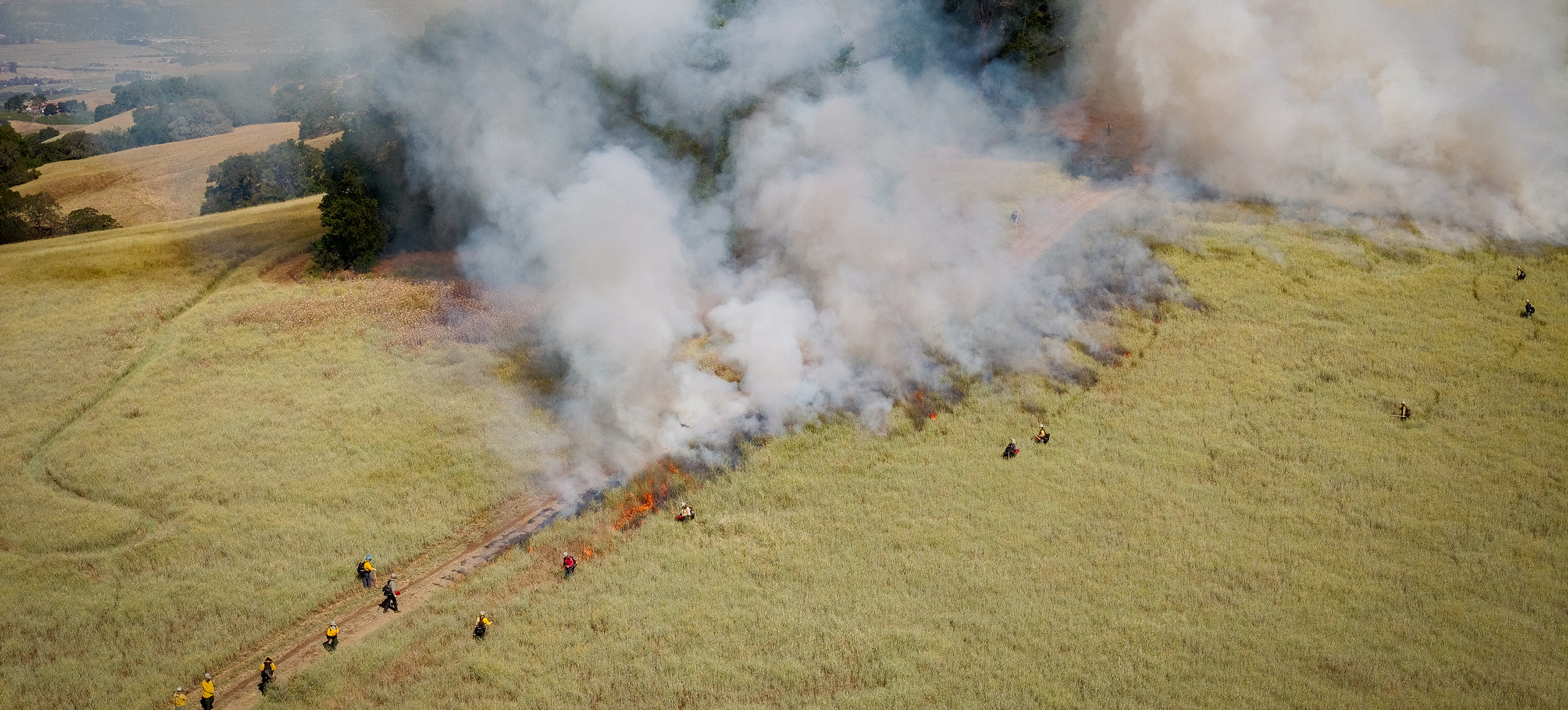
“Over these past several months, Jonny [Lopez] and JJ [Carmona] trained alongside just about every person at All Hands Ecology,” Souza continued. “Facilities management, land stewardship, prescribed fire, trail maintenance, California Naturalist training, and more — we checked just about every box.”
Customized skills development
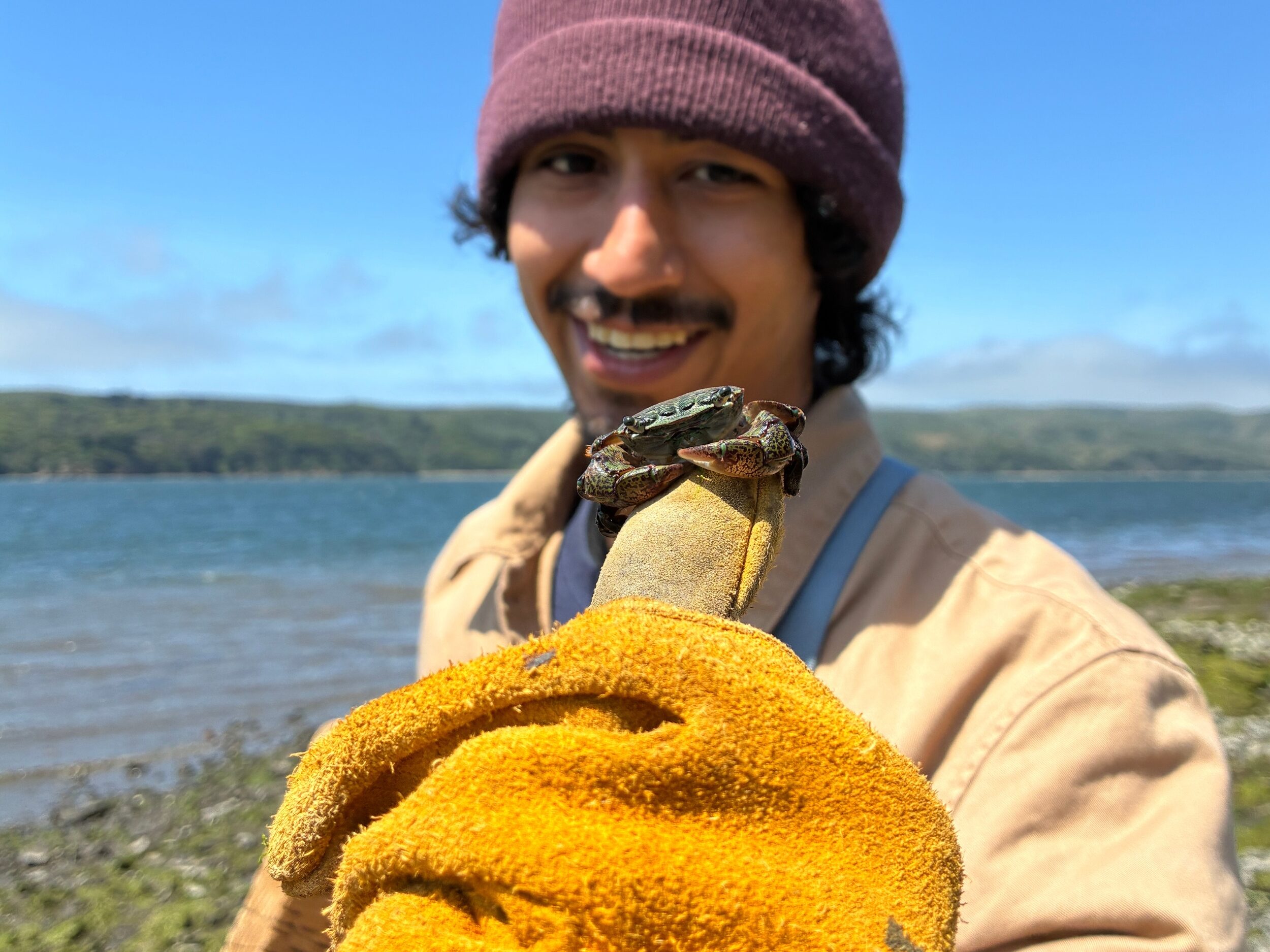
Souza connected the apprentices with work assignments across All Hands Ecology preserves, as well as in California State Parks and with partner organizations. Souza also practiced a kind of interest-responsive mentorship, tracking what the apprentices were curious about and turning those interests into specialized training opportunities, such as GIS mapping with Emiko Condeso, ecologist and GIS specialist.
“GIS goes a long way in this industry,” shared Lopez, who was enthusiastic to develop this technical skill.
As Carmona learned about how conservation work is funded, he wanted to explore grant writing. Sarah Warnock, grants manager, gave Lopez and Carmona a workshop on the subject.
“I can see myself taking the skill of grant writing into my work in the next few years,” Carmona said.
Overcoming invisible barriers
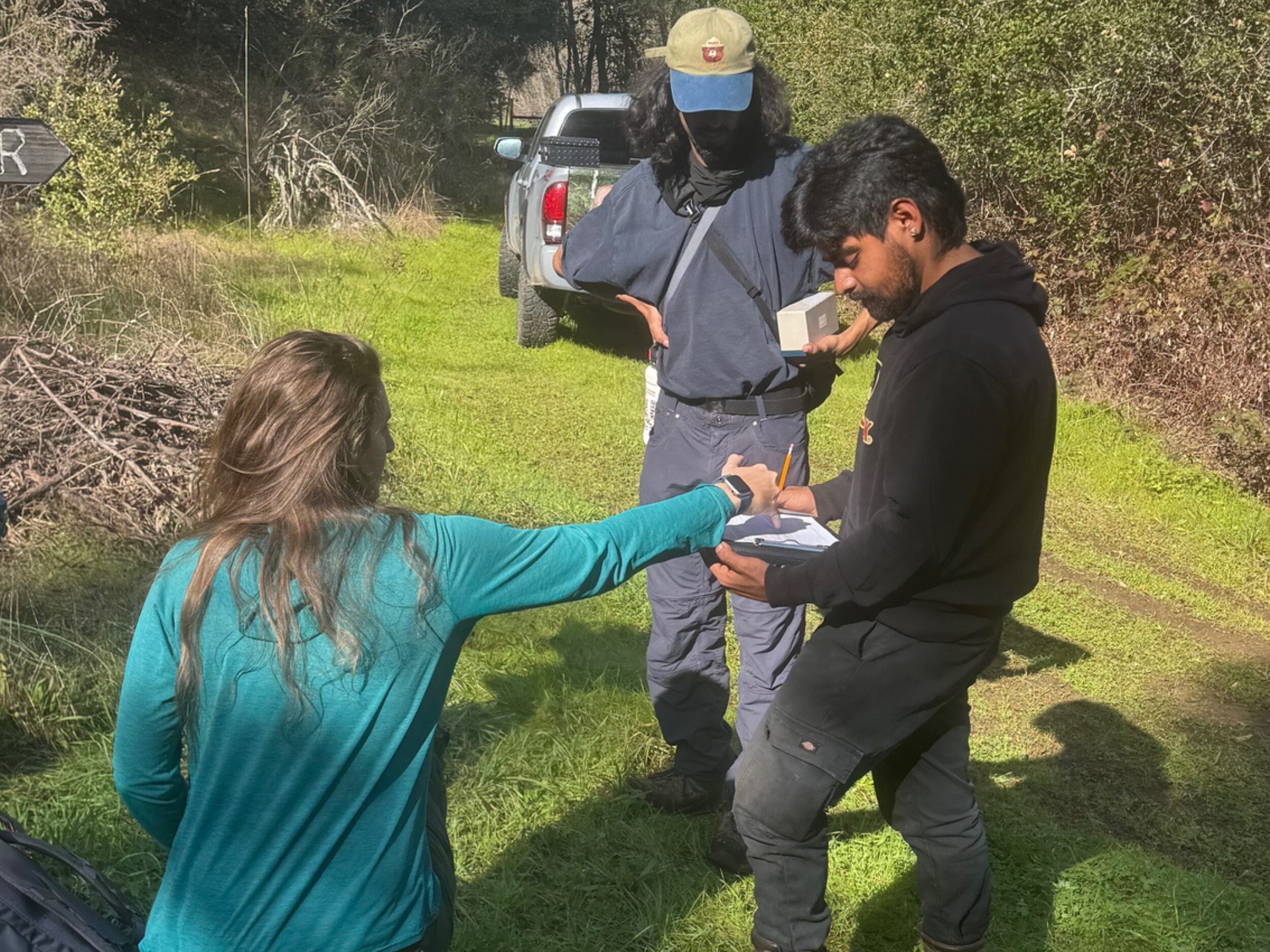
An unacknowledged challenge for early-career workers in the conservation field is access to professional networks that can help workers make the leap from unpredictable, seasonal, and often low-paying, hourly work into long-term careers. Professional connections are typically acquired through volunteering, professional training, and educational networks (e.g., college). Higher education, unpaid training, and volunteer experience are not accessible to everyone, especially when they require time away from paid work.
The apprentices received mentorship and established professional ties with not only All Hands Ecology staff but also with staff from California State Parks, CAL FIRE, Marin Fire, Sonoma County Ag + Open Space, Redwood Trails Alliance, and others.
For Carmona, these connections were essential. “Networking has been a big part of preparing us for what’s to come next. We’ve gotten our names out there,” he said.
Turning skills into pathways
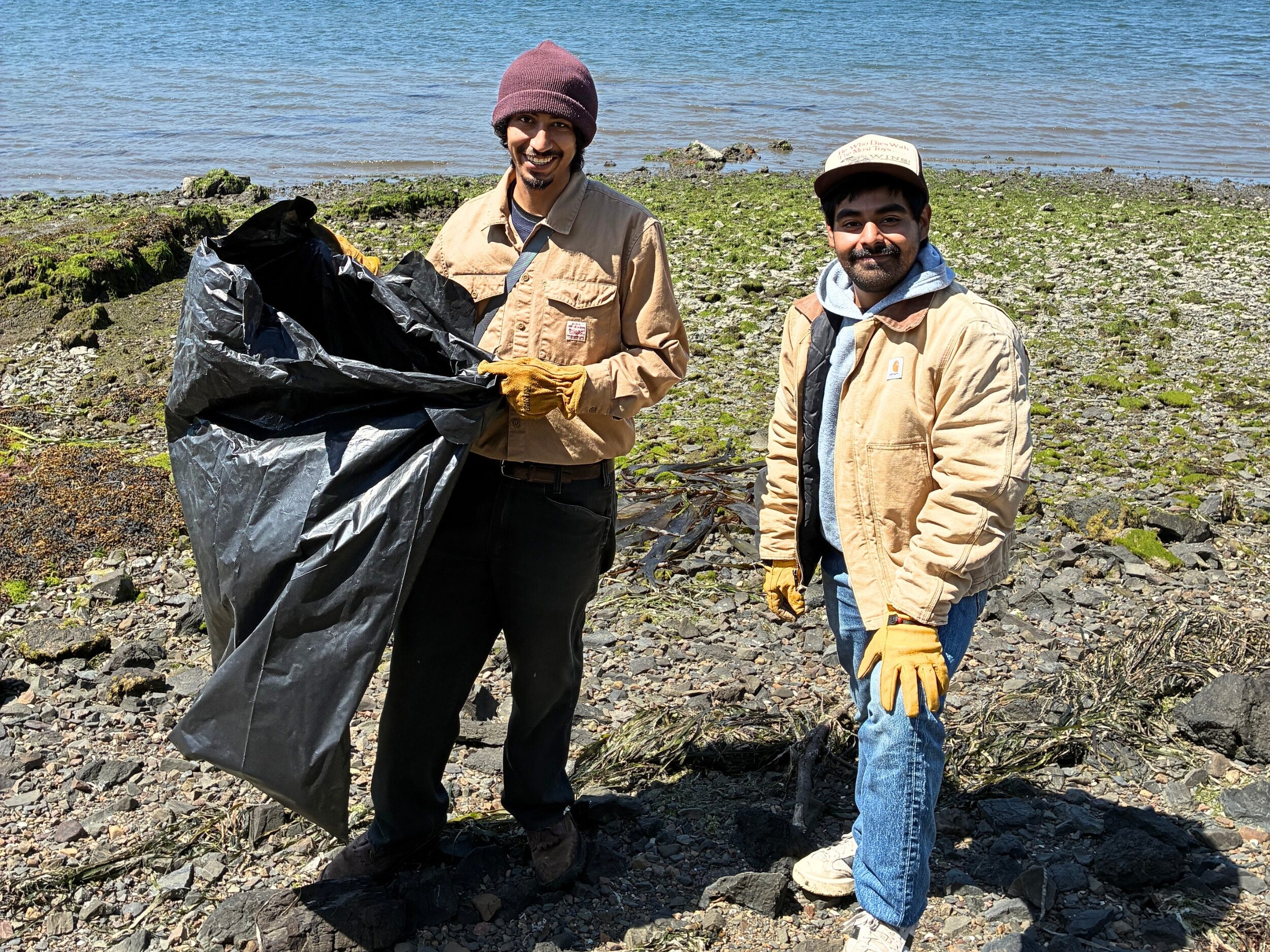
In the final weeks of the apprenticeship, Souza turned the focus of apprenticeship into career coaching, working on résumés and job applications. This also included public speaking, with the apprentices leading a volunteer day at Cypress Grove Preserve on Tomales Bay, boosting their confidence in presenting themselves publicly.
“We’re preparing them for meaningful job opportunities in California state parks or a similar place,” said Souza. “This means ensuring their skills and experience become a road, not just another line on their résumés.”
The road ahead
I met again with Lopez and Carmona during their final days at Martin Griffin Preserve. As they packed up to move back to the East Bay, their career prospects were percolating. Lopez interviewed at Mount Diablo State Park and was waiting to hear back. For Carmona, his interest in grant writing continued. He’ll be collaborating with Warnock on a new Parks California proposal for intergenerational mentorship in the All Hands Ecology California Naturalist program.
Souza is proud of what the apprentices have accomplished. He’s seen first-hand their growth and transformation.
“I’m excited for JJ and Jonny. At this organization, apprenticeships are important to who we are and what we’re becoming,” said Souza. “For young people, who might not have access to conservation work training, these are essential pathways to both building meaningful careers and bringing more people into this important work. As Tom [Gardali], our CEO, has put it, ‘Our future depends on practicing this kind of community-centered stewardship.’”
Investing in people
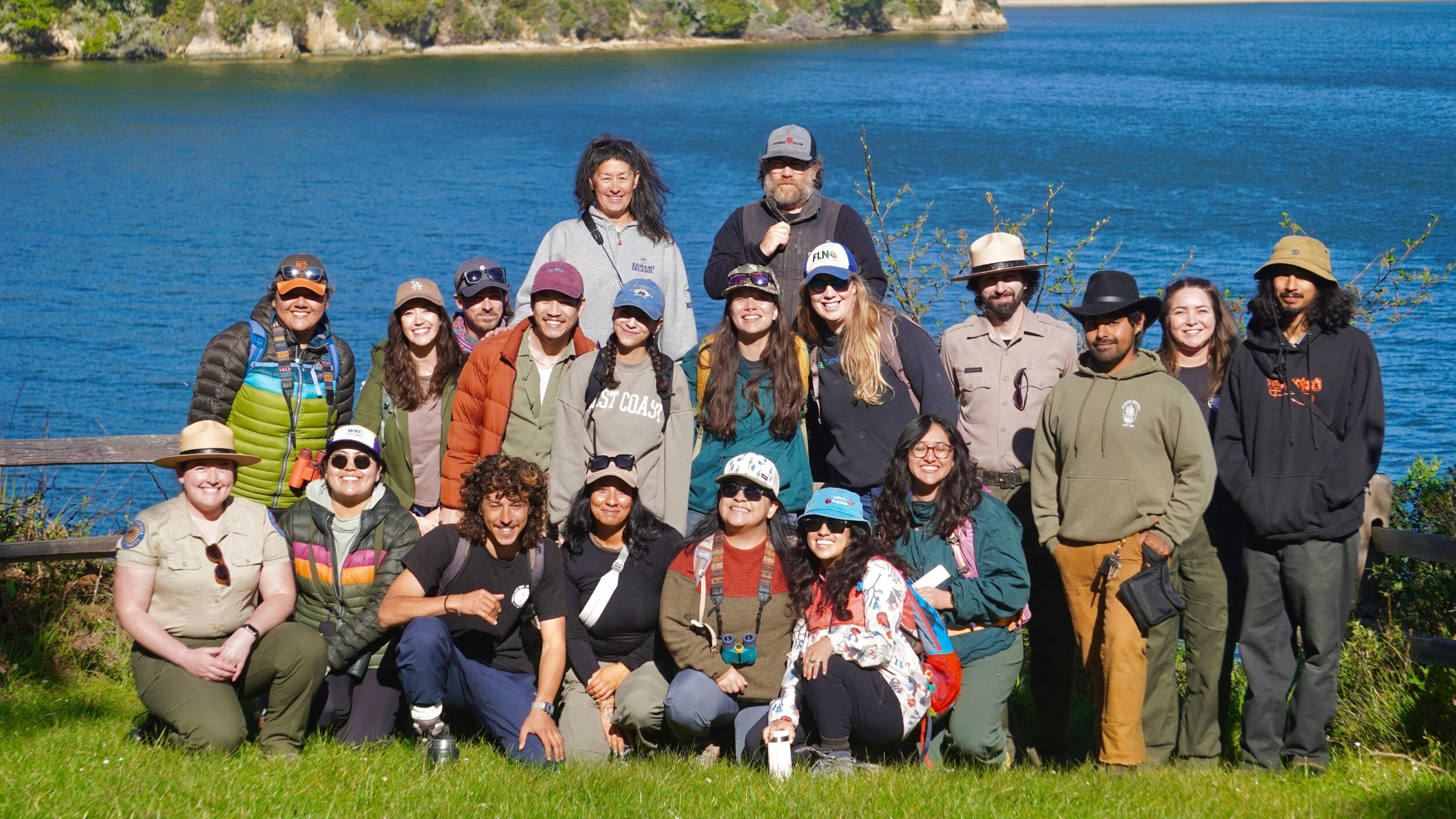
Our paid apprenticeships are an investment in people — restoring landscapes, responding to climate change, and building economic vitality along the way. Join us in bringing more people into conservation work by becoming a member or donating today.