
Building a workforce that can care for California
This workforce initiative at All Hands Ecology is a systems-change strategy. We believe that land care is most successful when rooted in equity, cultural belonging, and community resilience. We believe environmental jobs should be accessible, dignified, well paid, and shaped by those most impacted by climate injustice. By investing in people and place, we are cultivating a climate workforce that reflects the future we want to see: skilled, inclusive, and ready to lead.
California’s climate and conservation goals depend on people. According to a 2023 California Natural Resources Agency report, the state will need an estimated 100,000 new workers in nature-based careers by 2035.
Building on the success of our Prescribed Fire Apprenticeship, we are now expanding our apprentice program into the broader field of land stewardship. As many apprentices move on to land stewardship roles, we want to design a program to cultivate the diverse skillset required to tend our landscapes with heart.
The interest is already here. Within two weeks of announcing our pilot stewardship apprenticeship, hundreds of people applied.
The shortage is not one of people who want to care for the land. What is scarce are accessible pathways into lasting careers—jobs that pay thriving wages, provide opportunities to learn through meaningful work, and make it possible for people to live in the communities they steward.
All Hands Ecology is working to change that.

There is wisdom in the trades
Conservation has traditionally been treated as a profession that requires a four-year degree, often accompanied by years of unpaid internships or low-wage seasonal work. This model systematically excludes talented people who cannot afford tuition, student debt, unpaid experience, or years of economic instability.
Stewardship calls for curiosity, consistency, humility, practical skill, and a willingness to learn from the land and from one another. These capacities can be cultivated through supported, hands-on experience.
Trade-based career pathways offer a different model: people are compensated while learning alongside experienced practitioners, developing tangible skills and contributing meaningful work from the beginning. By applying this proven approach to conservation, we can reduce barriers to entry while preparing a more skilled, diverse, and resilient workforce.
We believe that a year spent tending land across multiple seasons, learning in community, and receiving thoughtful mentorship can prepare someone to become an exceptional steward, often more effectively than years spent studying the work at a distance.
Equity in the outdoor workforce
The Center for American Progress found that traditional conservation career paths often require unpaid internships and advanced degrees, which exclude many talented individuals from marginalized communities. Trade skill pathways—such as paid apprenticeships and certification programs—are a proven method to reduce barriers and diversify the field.
“The Nature Gap and Equitable Outdoor Access” (CAP, 2022)
Designing a new pathway
As a 60-year-old conservation organization entering a new chapter, All Hands Ecology recognized that we still had much to learn.
Before designing our apprenticeship, we took time to listen. We gathered community members, conservation practitioners, workforce partners, and leaders from historically excluded communities to examine the root causes of workforce inequity and ask a more generative question:
What would become possible if conservation careers were designed around what people actually need to thrive?
Participants shared their pathways into the field, the barriers they encountered, and the conditions that helped them remain in the work. We discussed recruitment, retention, organizational culture, education, compensation, housing, belonging, and the emotional demands of caring for places experiencing profound ecological change.
Several priorities became unmistakably clear:
- People need thriving wages, not merely an opportunity to gain experience.
- In high-cost regions such as West Marin, housing is workforce infrastructure.
- A pathway cannot depend on unpaid labor as its primary entry point
- Technical preparation must be accompanied by mentorship, belonging, and community.
- Conservation organizations must examine the cultures into which they are recruiting people.
These lessons became the foundation of our apprenticeship model.
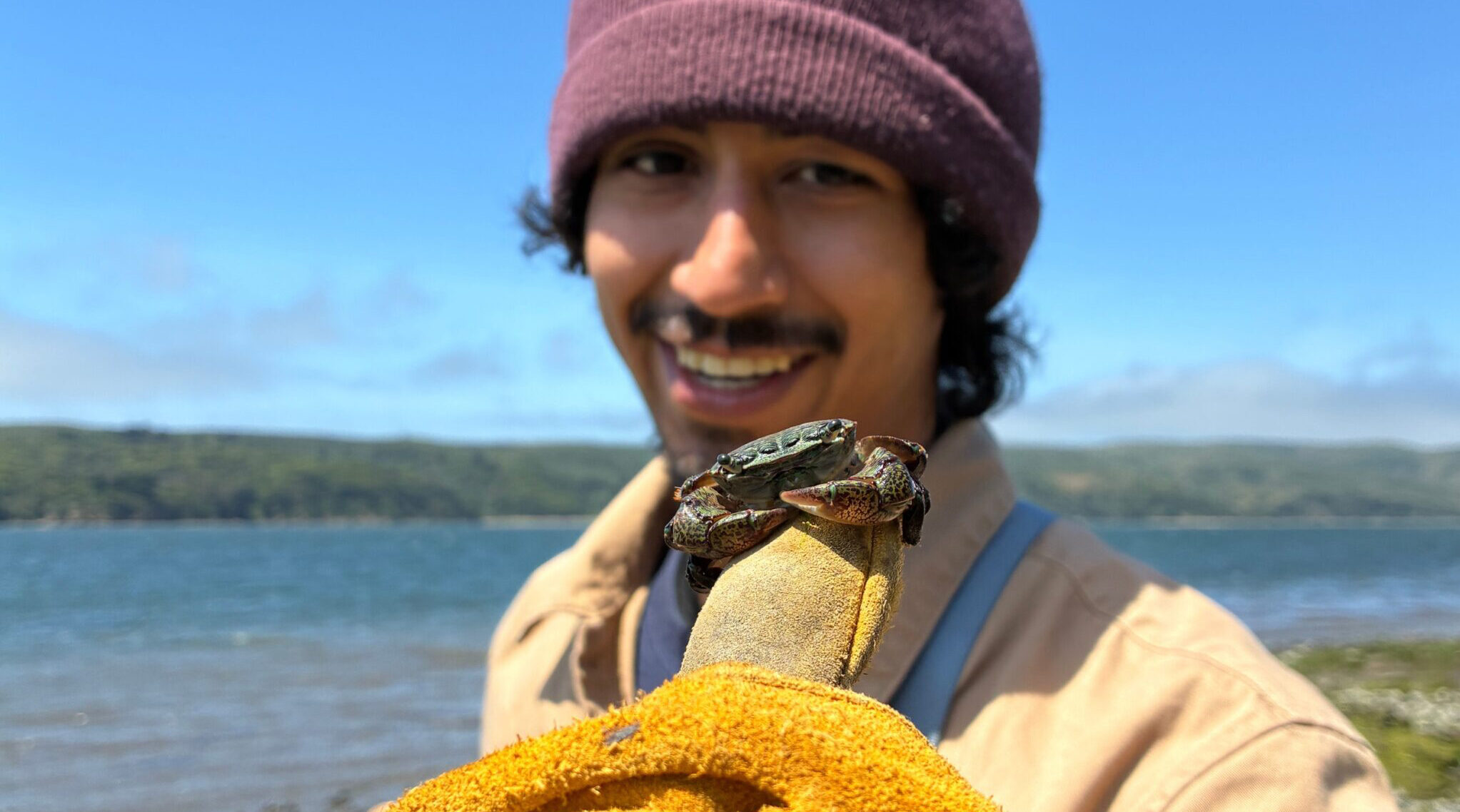
An intersectional approach
Ecological challenges do not exist separately from economic and social systems. Neither can the solutions.
For too long, mainstream conservation has been shaped by predominantly white-led institutions and narrow definitions of expertise. Building a workforce capable of meeting the challenges ahead requires intentionally creating a different culture.
Our model addresses several interconnected barriers at once:
Compensation. We begin with thriving wages rather than asking how little an entry-level worker can be paid.
Housing. West Marin will not have the workforce needed to steward its wildlands unless people can afford to live near their work. In a state where median rents have risen 30% over the past decade, this approach ensures that talented young adults from low-income communities can participate fully and equitably.
Access. Participants should not need a four-year degree, unpaid internship experience, or personal financial support to demonstrate their potential.
Belonging. People are more likely to learn, contribute, and remain in a field when their identities, experiences, and ways of knowing are respected.
Organizational culture. Recruitment alone is not enough. Conservation organizations must become places where people from many backgrounds can build meaningful, sustainable careers.
By designing across these levels, we are creating a resilient model that can strengthen individuals, organizations, ecosystems, and communities. At scale, this approach could help address multiple urgent regional needs: workforce shortages, economic inequity, housing instability, climate readiness, and the long-term stewardship of California’s lands.
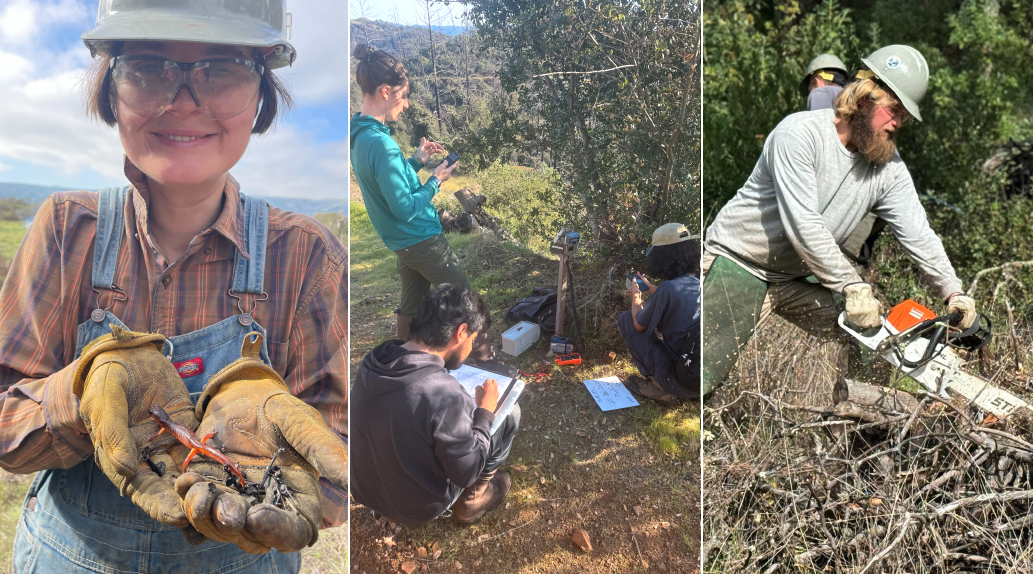
Learning through relationship
Our educational philosophy is grounded in what we think of as a cognitive ecology: the understanding that learning emerges through dynamic relationships among mind, body, community, culture, and the natural world.
People bring scientific, cultural, professional, ancestral, and lived knowledge to the learning process. We create space for those forms of knowledge to meet one another with curiosity and respect.
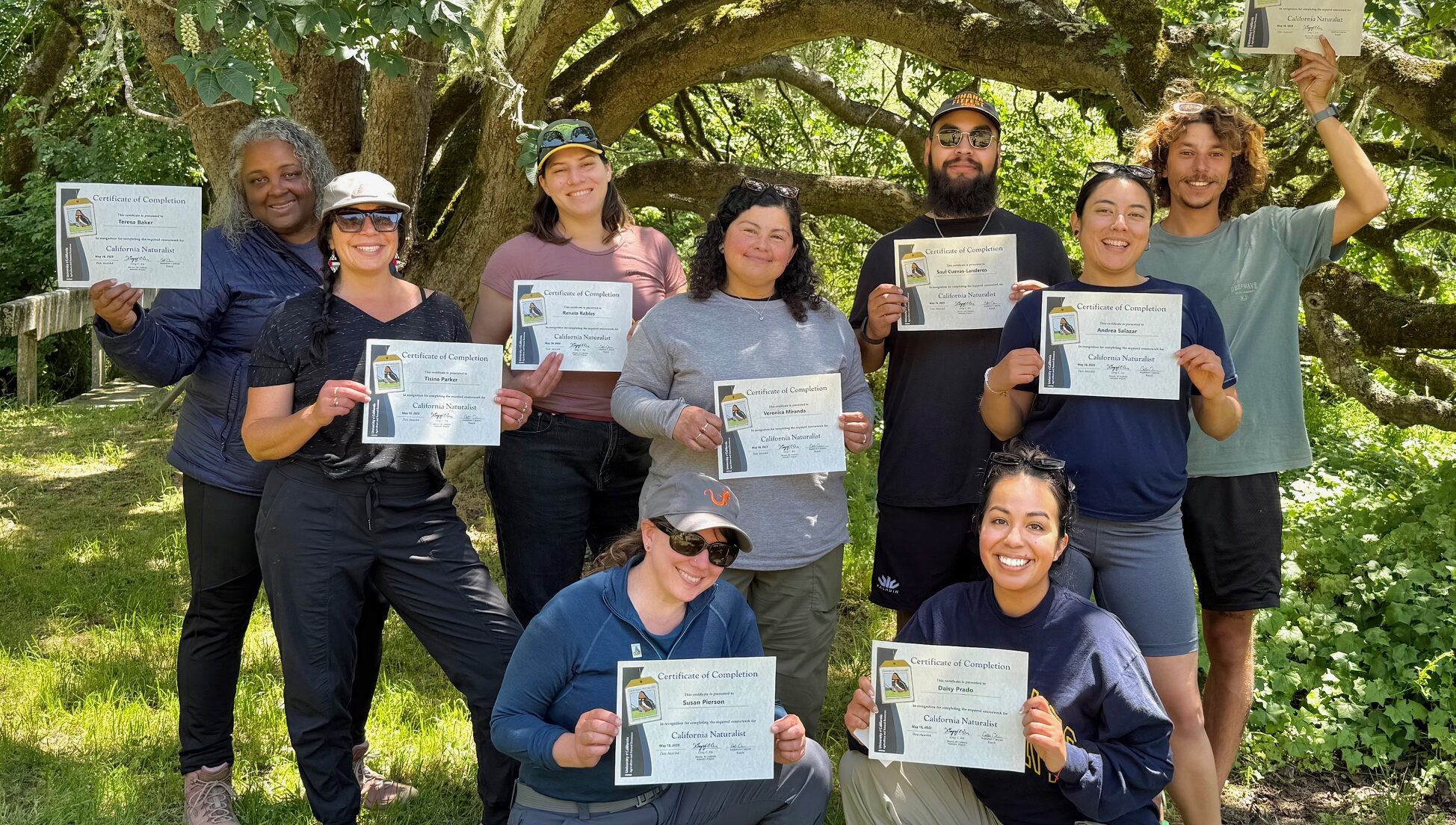
This looks like storytelling around a campfire. It looks like silent solo sits in the woods. It looks like learning to recognize a bird by its call, collecting native plant seeds, and developing a personal relationship with fire.
For many people, traditional education has been a source of alienation rather than empowerment. By honoring different ways of learning and knowing, we can help people rebuild their identities as capable, lifelong learners. That renewed sense of agency strengthens not only the individual, but also the communities in which they will work and lead.
Learning with the land
People learn differently when their hands, senses, relationships, and surroundings are part of the experience.
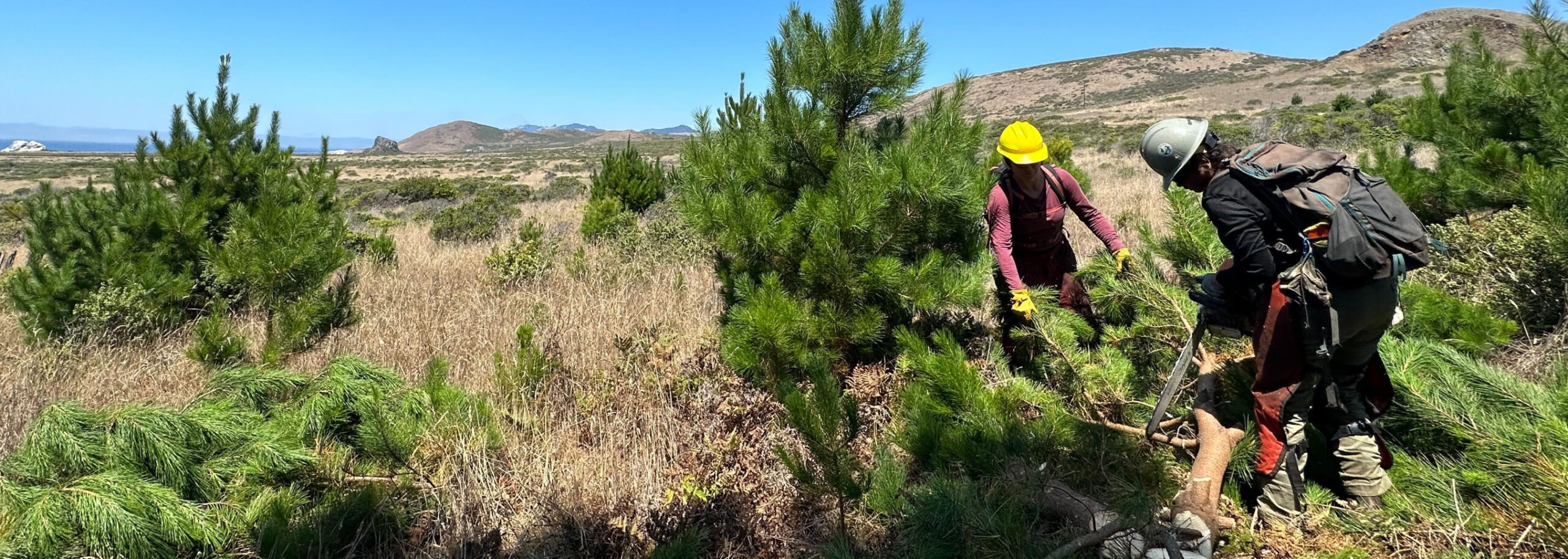
Apprentices do not simply read about seasonal change. They witness it by tending the same land throughout the year. They feel changes in soil moisture, observe the return of migrating birds, recognize when plants begin producing seed, and experience how stewardship decisions unfold over time.
These sensory and relational experiences deepen understanding beyond what theory alone can provide. Apprentices develop technical competence while also learning how to notice, interpret, collaborate, adapt, and care.
Investing in people is investing in the land
California cannot meet its conservation and climate goals without a strong workforce. And that workforce cannot be built through inaccessible education, unpaid experience, low wages, and housing instability.
Philanthropic investment gives us the opportunity to demonstrate another way.
Support for this work allows All Hands Ecology to provide:
- paid, yearlong learning and employment;
- affordable housing on site;
- experienced mentors and technical instruction;
- certifications and career-readiness support;
- transportation, equipment, and other participation needs;
- partnerships with public agencies and conservation employers; and,
- a learning community designed around belonging, reflection, and mutual support.
This is more than an entry-level training program. It is an investment in the people who will restore habitats, steward public and private lands, strengthen climate resilience, and shape the future of conservation. This program builds the practical skills, experience, and confidence our communities need most, outcomes that cannot be achieved through a college degree.
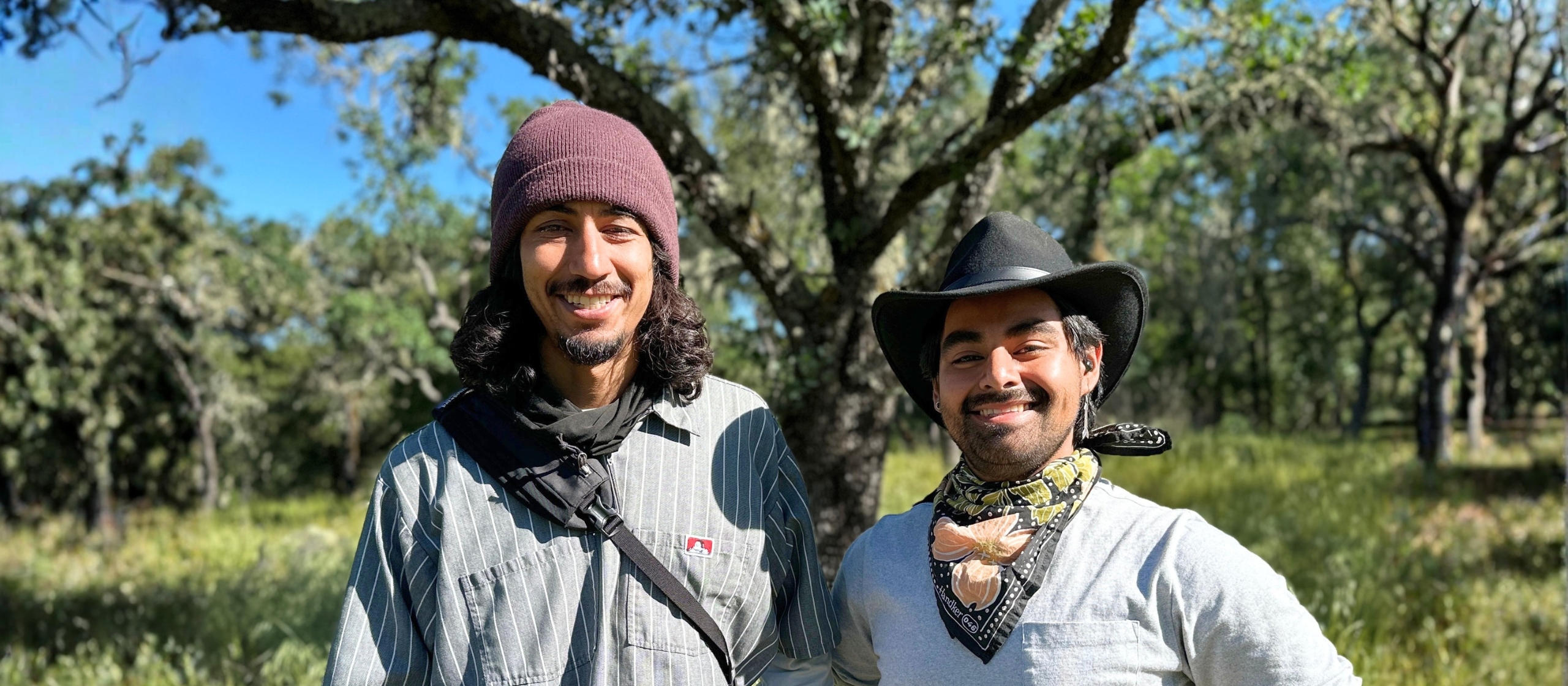
Hear a first-hand account of the stewardship experience
Like many early‑career conservation workers, Jonathan Lopez and Johnathen Carmona were navigating a familiar question: how can hands‑on crew work become a sustainable career path?
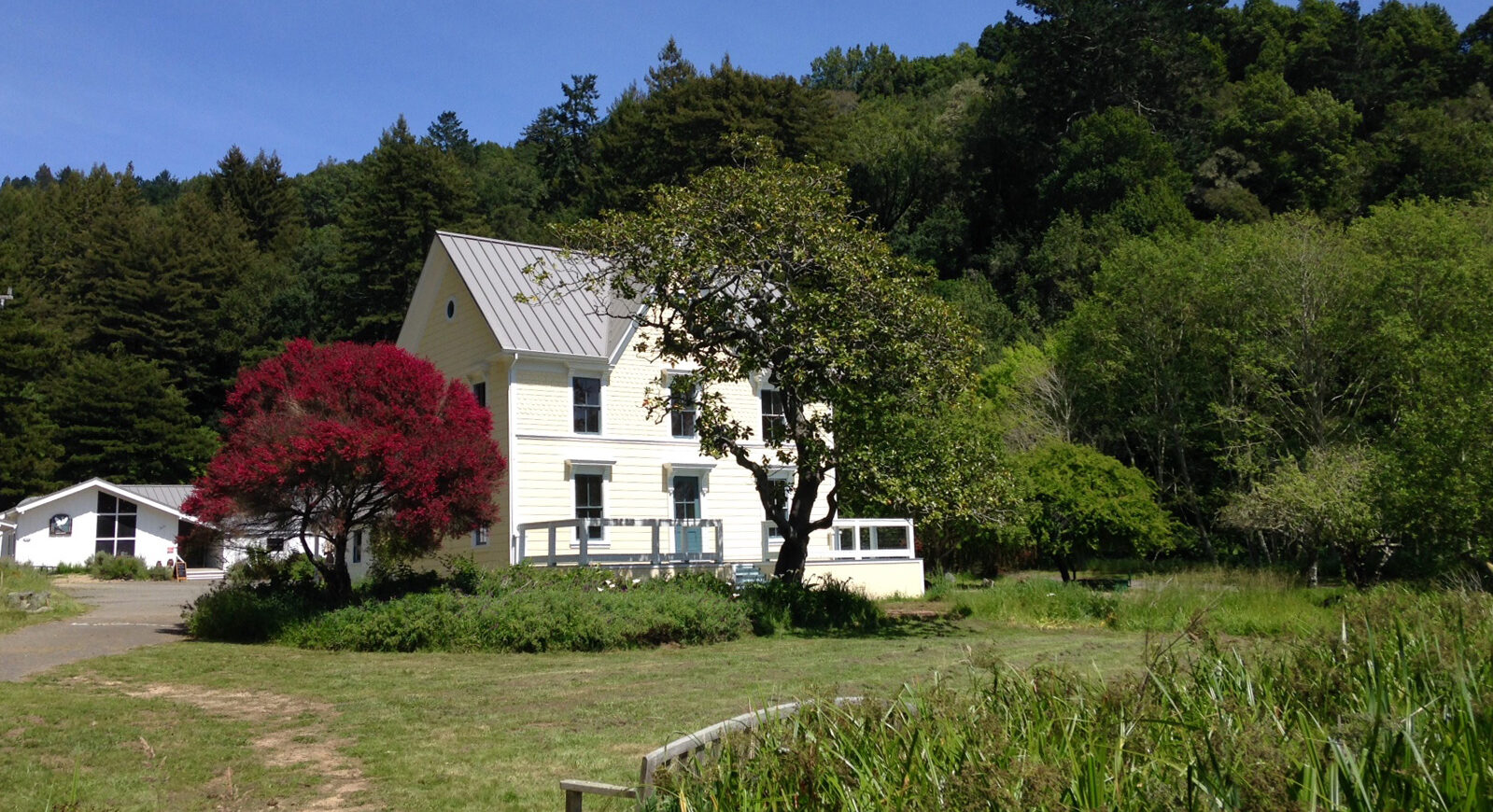
In 2026, Lopez and Carmona were selected for our 6-month housing-supported apprenticeship supported by a grant from Parks California that included housing at Martin Griffin Preserve near Stinson Beach.
Hear from them how living in the canyon they were entrusted to care for gave them a sense of belonging and shaped how they understood their role as stewards during the apprenticeship program.
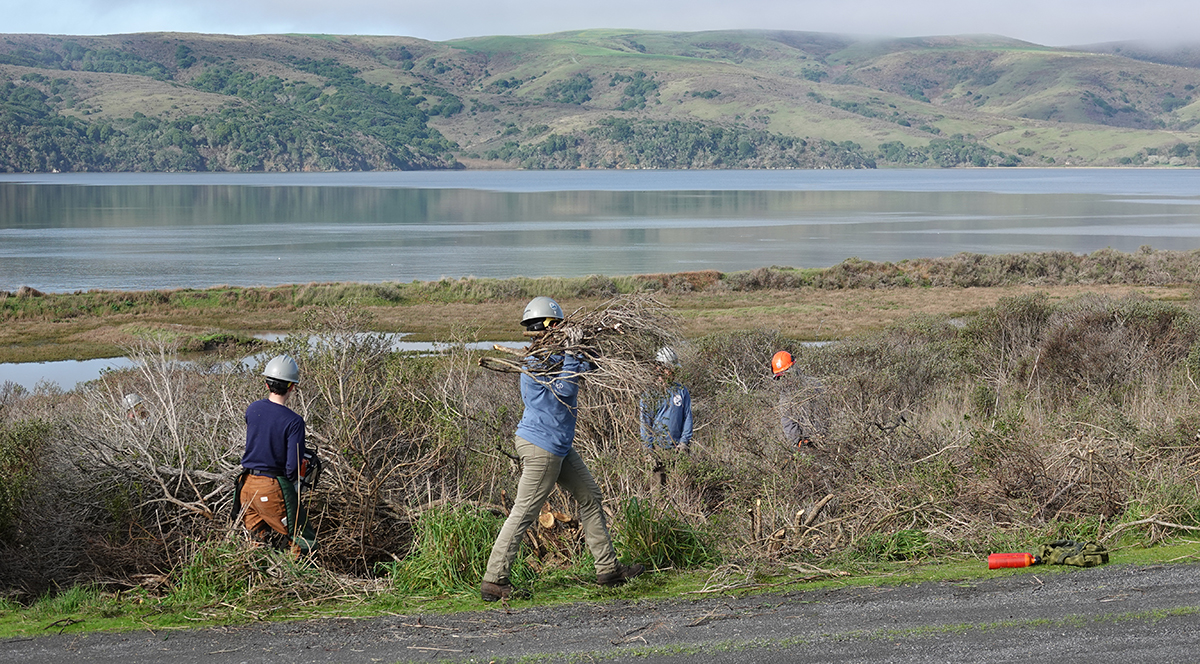
Together, we can build the pathways they deserve, and the workforce California needs
Funding sustains the full ecosystem of support — thriving wages, benefits, low-cost housing, personalized mentorship, and professional training.
To learn more about how you can support our apprentice program or to connect us to prospective funding sources, contact CEO Tom Gardali at tgardali@allhandsecology.org or Catie Clune at cclune@allhandsecology.org.
Contenido relacionado

Upcoming Event
Community-access Hiking Day at Martin Griffin Preserve
August 1, 2026 - 9:30 am to 4:00 pm
Reserva Martin Griffin
