
|
Getting your Trinity Audio player ready...
|
Meet Carolyn Whitesell, human-wildlife interactions advisor
When asked about the most surprising call she’s ever received, Human-Wildlife Interactions Advisor Carolyn Whitesell recalled, “I’ve gotten a few calls from people upset about birds singing in the morning. Unfortunately, I did not have a great solution for that one.”
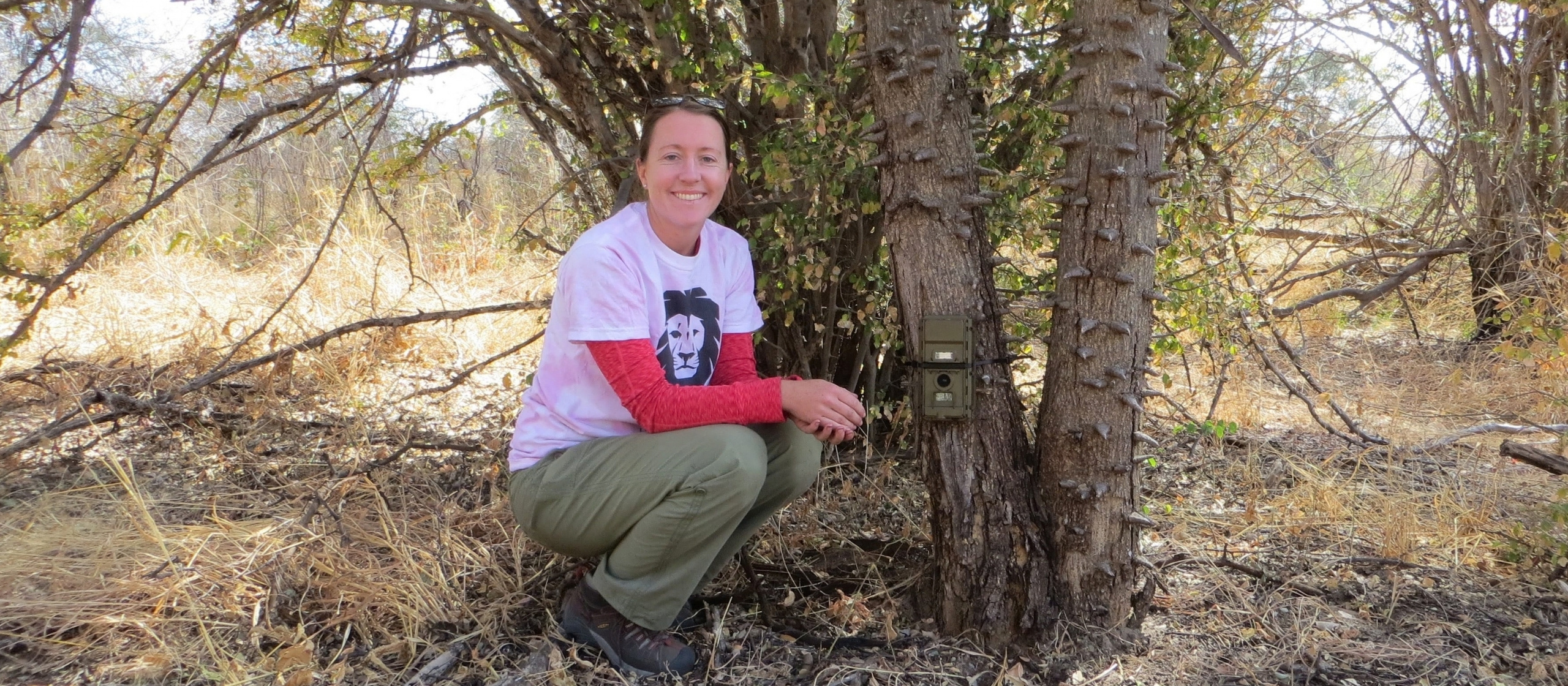
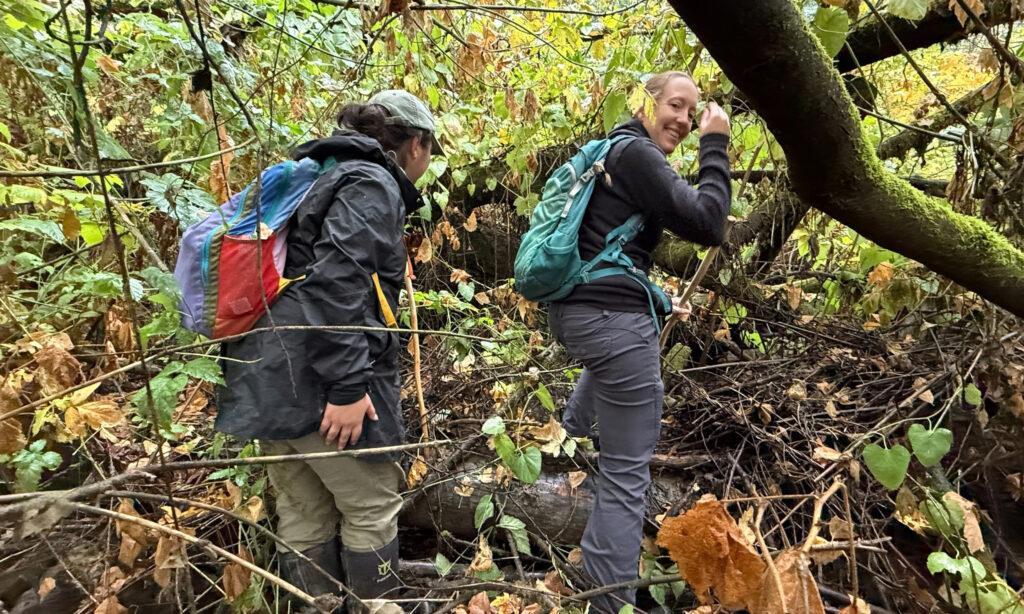
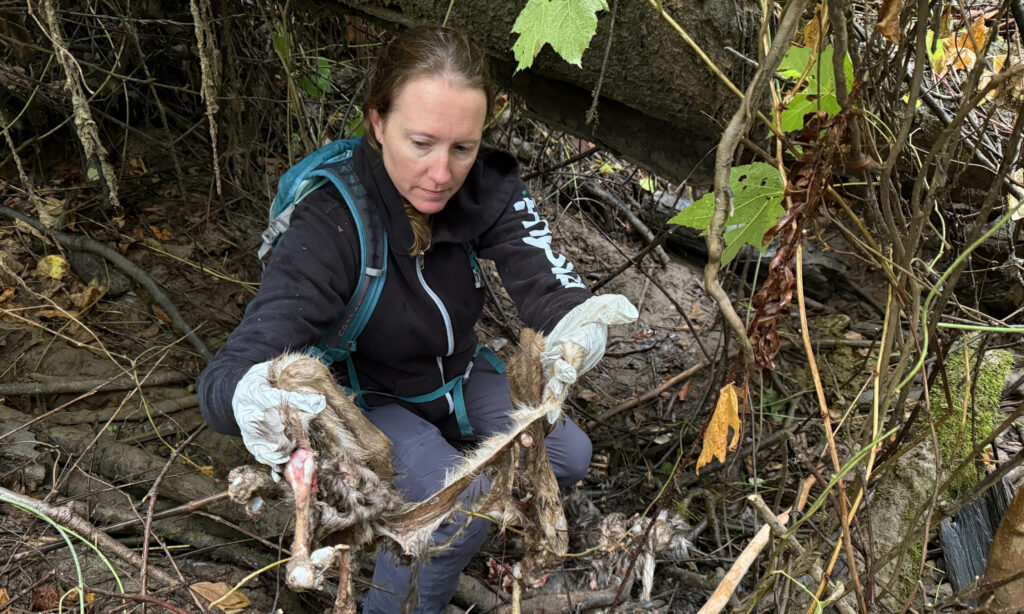
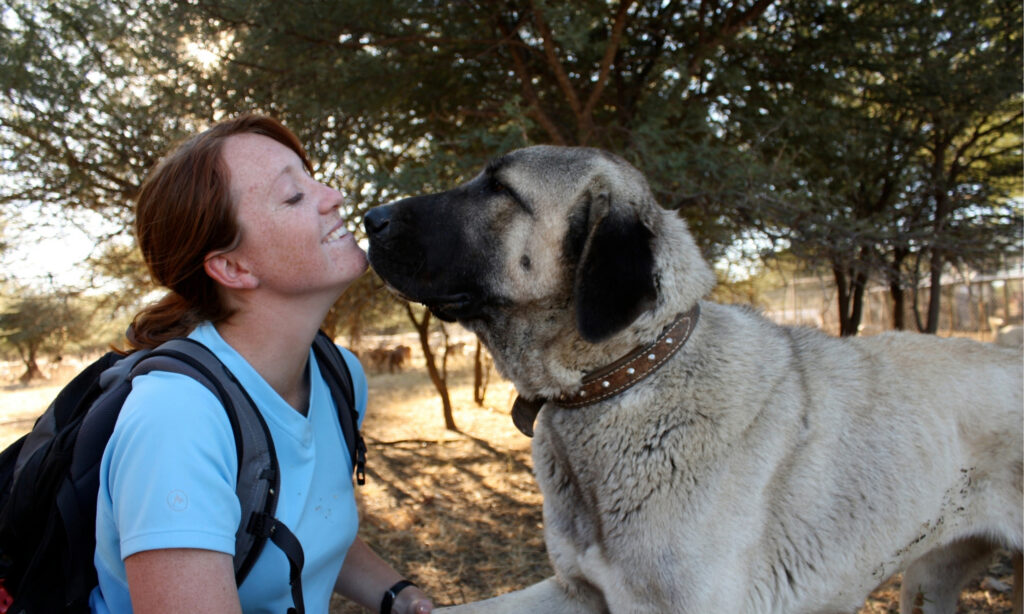
Whitesell works across San Mateo, Santa Clara, Santa Cruz, Alameda, Contra Costa, Marin, and Sonoma counties through the UC Cooperative Extension, helping people better understand and coexist with wildlife, from coyotes and rats to mountain lions and gophers. She is also a collaborator in the Living with Lions study. With extensive field experience with big cats in southern Africa, she supports Living with Lions tracking and collaring mountains lions. She draws on her expertise in human-wildlife conflict, meeting one-on-one with landowners who are having issues with mountain lions.
We had a chance to chat with Whitesell and talk about the challenges and opportunities of coexisting with wildlife as well as about living alongside mountain lions.
Why do you think it is important for people to learn to coexist with wildlife?
Whitesell: This is becoming increasingly important, as we’re sharing space with wildlife more and more. Coyotes are the first species that pops to mind. Over the last few decades in California, their distribution has expanded into more suburban and even urban areas. We need to learn how to coexist with them. They’re not going away. It’s really on us to learn how to prevent conflict.
What are some of the biggest challenges you see when people and wildlife share the same landscape?
Whitesell: It often comes down to people not having a solid understanding of the biology of the species and the steps they can take to prevent conflict. For coyotes, you may be misinterpreting their behavior, or you don’t know how to respond correctly to what a coyote is doing. That can lead to a lot of real and perceived fear. Better understanding can help people have that power and knowledge to know what to do.
Being willing to change our behavior is another big challenge that I face, but that really is the best tool that we have. I think a great example; a personal one is that I know that there are coyotes in my neighborhood. I always go out with my dog at night before bed, even when it’s cold or raining, even when I don’t want to. And I am really glad I do this, because two nights ago there was a coyote right outside. My dog started taking off after it. If I hadn’t been right there to stop her, that could have ended very poorly.
What do you think people should understand about living alongside mountain lions?
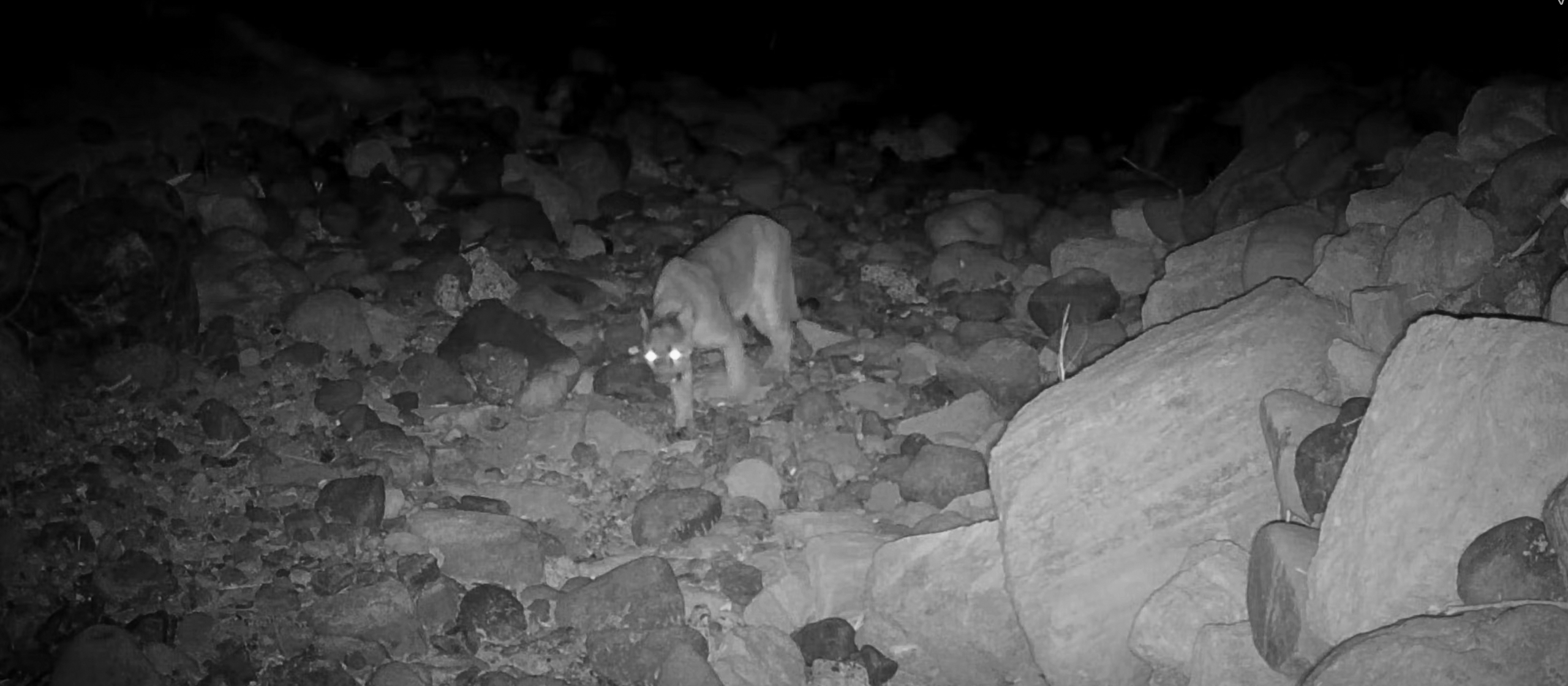
Whitesell: You really need to take steps to protect your pets and small stock. It’s more difficult if you’re a large-scale commercial livestock producer and the available tools are different. Whereas, if you just have a few animals, it’s really important to take the steps that Living with Lions Project promotes to help keep your animals safe. Mountain lions do an amazing job at avoiding people. They’re around a lot more than you realize. Nowadays with security cameras, we get a lot more reports of mountain lions because, prior to having security cameras on people’s driveways or in their yards, they never knew that mountain lions were going through. If you’re lucky enough to see one, enjoy the sighting. Be safe and do the recommended actions.
In Sonoma County, it’s a fascinating scenario. Mountain lions are having to adapt and learn how to avoid people. They can’t fully avoid people because then they’d never be able to hunt anything or go anywhere. They have to walk a fine line of how close to development can they get without it being too close. Even in the open spaces, there’s a lot of human use. They are having to figure out how to navigate the space.
What are three things people can do to coexist better with wildlife?
Whitesell: Securing your trash and not accidentally feeding wildlife either with trash or pet food outside. Bears are a fascinating one, because in Marin and Sonoma, it’s happening in real time, people having to learn to live with bears. You really don’t want them getting into trash. Prevention is key when it comes to bears and trash.
Keeping cats indoors, especially between dusk and dawn. Many predator species like to go after domestic cats.
Being careful with your dogs, especially if you have a small dog. Don’t let them out by themselves between dusk and dawn. We really want to prevent attacks on pets. It’s traumatic to lose an animal, and that’s the last thing that we want to happen to anyone. The reality is that we need to take some steps to keep our pets safe.
Resources for coexistence
Are you having a conflict with wildlife? Carolyn Whitesell can be reached at cawhitesell@ucanr.edu or (650) 224-4679.
Need tips for coexisting with North Bay mountain lions? Download our guide.
Do you live in Marin County? If you spot a lion on a security or wildlife camera, lose livestock to a mountain lion, or find a freshly killed deer, please contact Whitesell at cawhitesell@ucanr.edu or (650) 224-4679 or Quinton Martins at quinton@truewild.org or phone or 707-721-6560.