|
Getting your Trinity Audio player ready...
|
When there’s fire, there’s smoke
At All Hands Ecology, we strive to create fire-resilient communities through the application of, training on, and outreach about prescribed fire. As we work to return good fire to the land, we’re committed to sharing information to help communities be prepared.
Many of us who live in California, or anywhere across the West, have heard fire-related expressions like, “It’s not a matter of if an area will burn, but when,” and “There is no future without fire.” But let me present you with a new twist on an old saying: “When there’s fire, there’s smoke.”
Part of creating fire-resilient communities is promoting and empowering community resiliency to smoke. In this article, we’re sharing information on prescribed fire smoke basics, health impacts of smoke exposure, and how to prepare for the inevitability of smoke.
Prescribed fire smoke basics
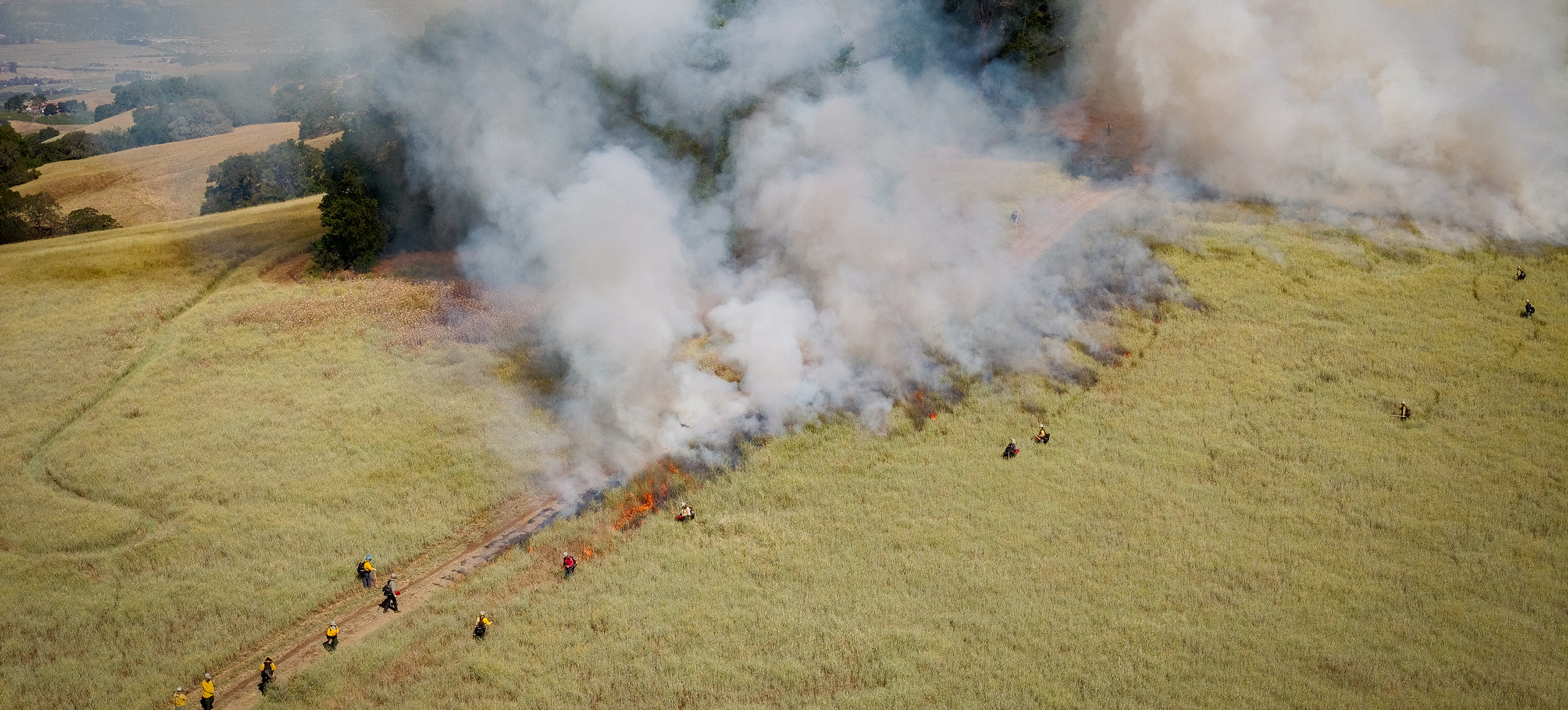
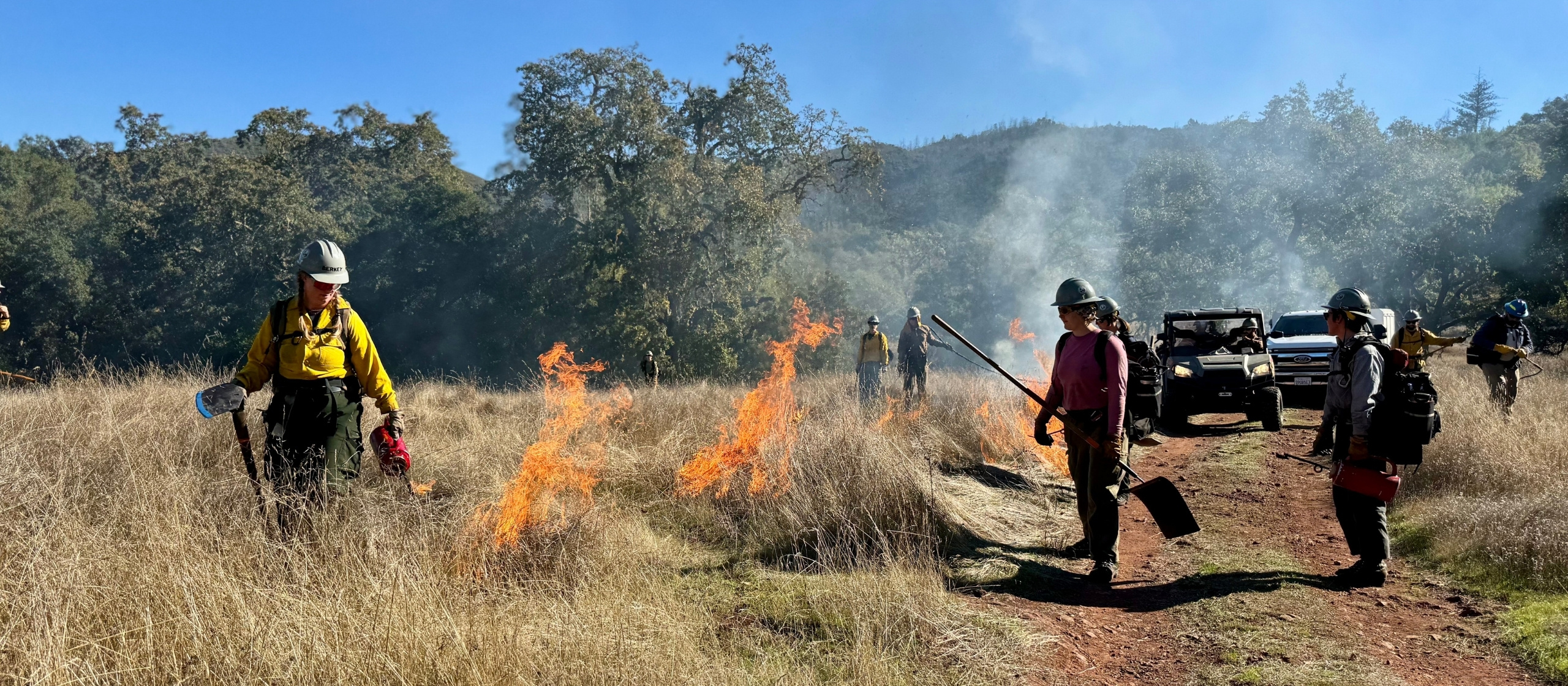
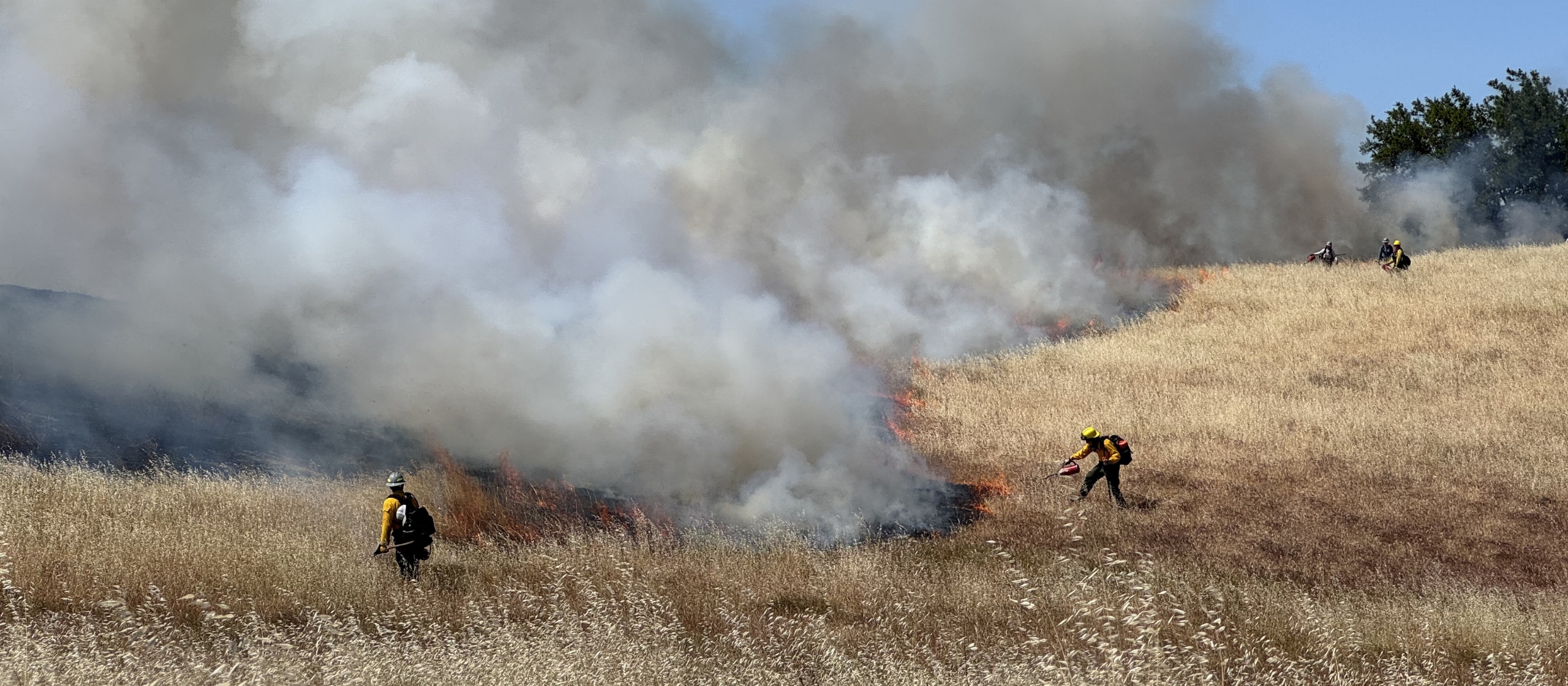
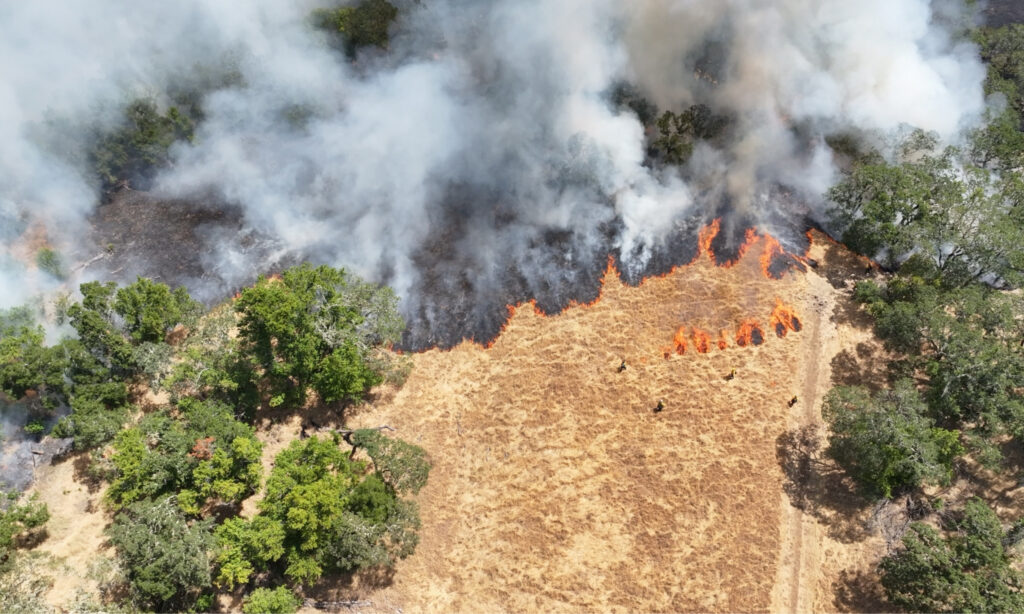
While both wildfires and prescribed fires can vary in size, severity, and intensity, one key difference between the two is the way smoke is managed. Because prescribed fires are planned, our practitioners work with air quality specialists and weather forecasters to reduce smoke impacts on communities. While some smoke is released from prescribed burning, the burns we conduct have many measures in place to mitigate and minimize smoke exposure and associated negative impacts to surrounding communities.
Our prescribed fire managers work closely with both the Bay Area and Northern Sonoma County Air Quality Districts to find conditions under which smoke will lift high into the air and be transported away from the burn site and nearby communities. Our prescribed burn plans include a smoke management plan that identifies the conditions needed to minimize smoke impact. During burns, we monitor smoke and adjust our firing operations if needed. By comparison, wildfire smoke is not planned for, nor are measures in place to minimize the impacts.
Why smoke can be harmful
Though smoke can be planned for and mitigated in prescribed fire planning, smoke from both wildfires and beneficial fire can have health impacts. Here’s a run-down of some of these effects:
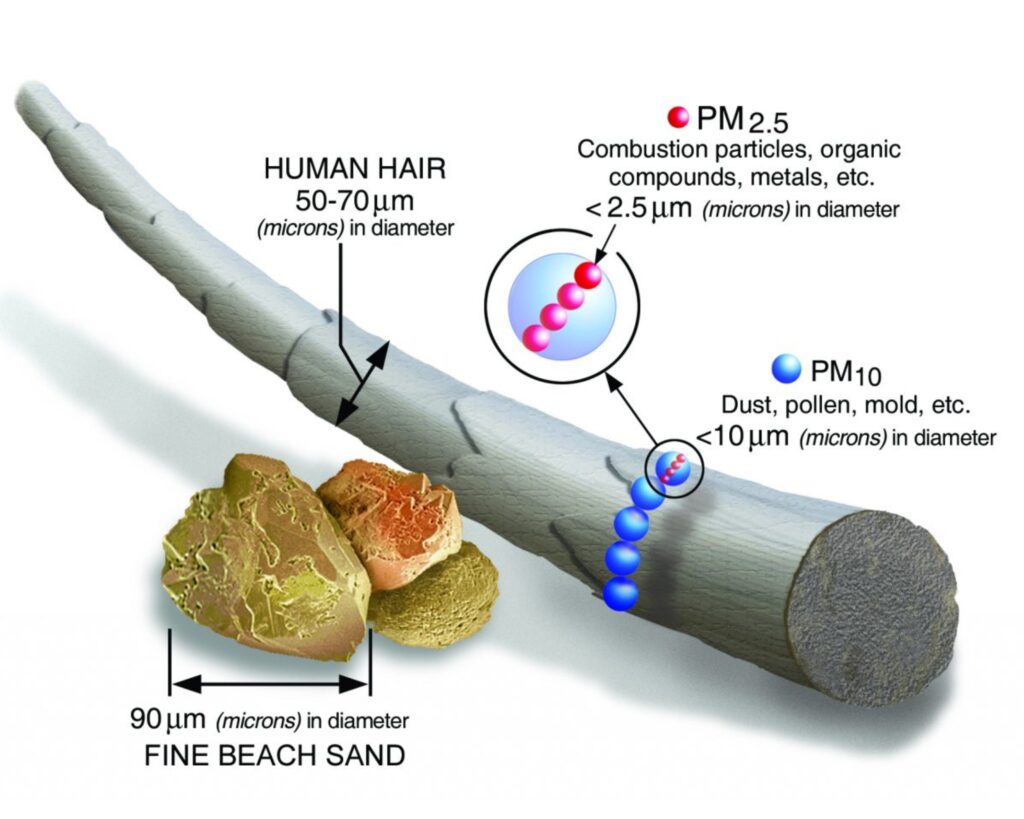
- Smoke particles are really small – small enough that they can enter straight into our bloodstream. As a result, exposure to smoke is often more toxic than exposure to an equivalent amount of air pollution.
- Smoke exposure in the short term can cause respiratory issues, loss of appetite, fatigue, headaches, sore throat, and scratchy eyes.
- Prolonged smoke exposure can result in asthma and respiratory diseases, as well as the potential for decreased immune response.
- Not everyone will react to smoke the same way. Children with developing lungs, individuals with pulmonary and/or cardiovascular diseases like asthma, outdoor workers, unhoused individuals, and pregnant people tend to be most susceptible to the health impacts of smoke.
For a more in-depth look at health impacts of smoke, visit https://www.epa.gov/pm-pollution/particulate-matter-pm-basics.
How to prepare for the inevitability of smoke
Whether there is smoke in your area from wildfires or prescribed burns, we want you to be prepared. Here’s how to be smoke-ready:
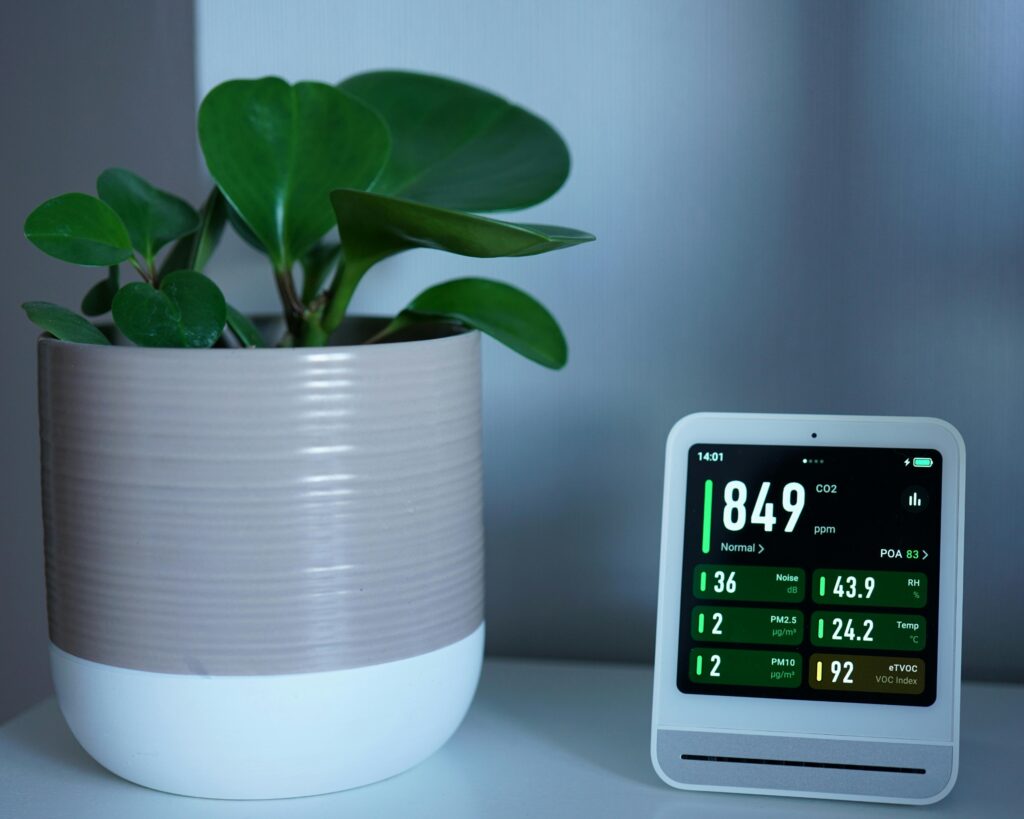
- Be in the know about fires and air quality in your area. Tools like AirNow or the app Watch Duty are easy ways to monitor the air quality near you and set alerts for fires in your area — whether prescribed or wildfires.
- Stay inside when the Air Quality Index (AQI) is high. Experts recommend staying inside as much as possible and limiting exertion while outside. Close all doors and windows and seal up gaps as much as possible to prevent smoke particles from entering the home. While driving, set your air conditioning to recirculation mode.
- Create a “clean room.” When indoors, create at least one “clean room” in your home where you don’t smoke, burn candles, or fry food. Use air filters in your house or apartment, preferably one with a rating of MERV 13 or higher. If you don’t have an air filtration system, you can build one with a few basic supplies. If you cannot create a clean air space, or if it is too hot to keep your windows closed, you can stay at a clean air center near you.
- Wear a mask. If you need to be outside for extended periods and the air quality exceeds health limits, wear a tight fitting N95 or P100 respirator. Choose a respirator that has been tested and approved by the National Institute of Occupational Safety and Health (NIOSH). It will have the letters “NIOSH” and either “N95” or “P100” printed on it. More information about masks can be found here.
- What if you are exposed to smoke? Our bodies recover best with plenty of sleep and hydration. Drinking water before, during, and after exposure will help your body flush out the toxins. Plentiful sleep is imperative to your body’s ability to recover and repair damage from toxins. Your diet can also help counter the negative effects of smoke. Eat antioxidant-rich foods, such as apples, berries, broccoli, and dark chocolate to bolster your body’s natural ability to counter the stress caused by smoke toxins.
Working together to build a resilient community
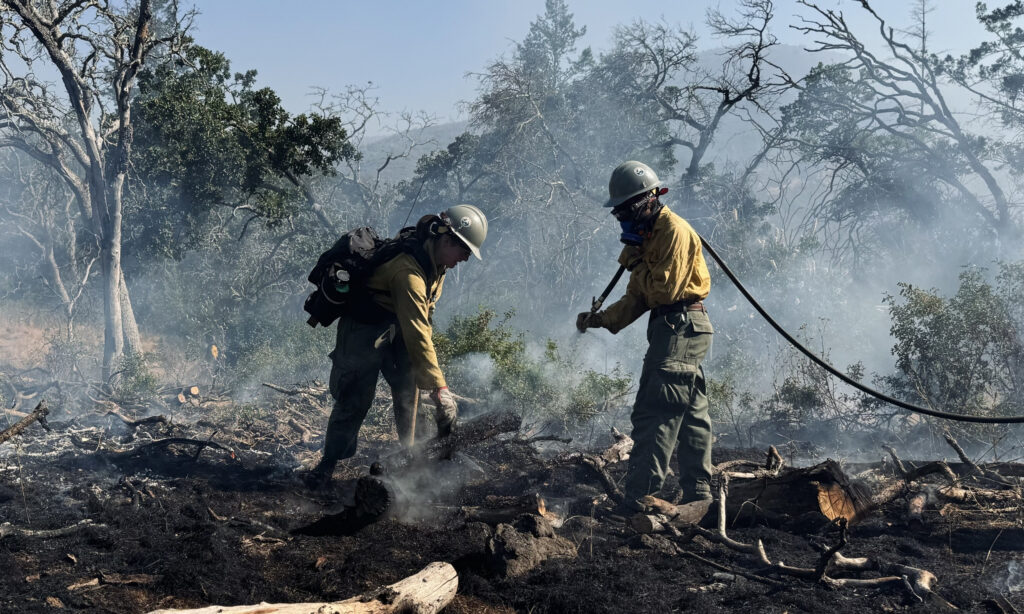
Get notified. Visit our notifications page to receive email notifications about burns we are conducting in your area. Subscribe to the Watch Duty app to stay up to date about wildfires and prescribed burns.
Join the good fire community. All Hands Ecology’s nonprofit work is made possible by funding from generous individuals, businesses, foundations, and community groups who share the costs of prescribed fire management, hands-on skill building, and public education. Join us! Support good fire with your donation today.
Be part of bringing beneficial fire to the land for the health of ecosystems and communities. Visit our trainings page.
Header photo: Erika Lutz