
Build core skills and nurture your curiosity about the natural world
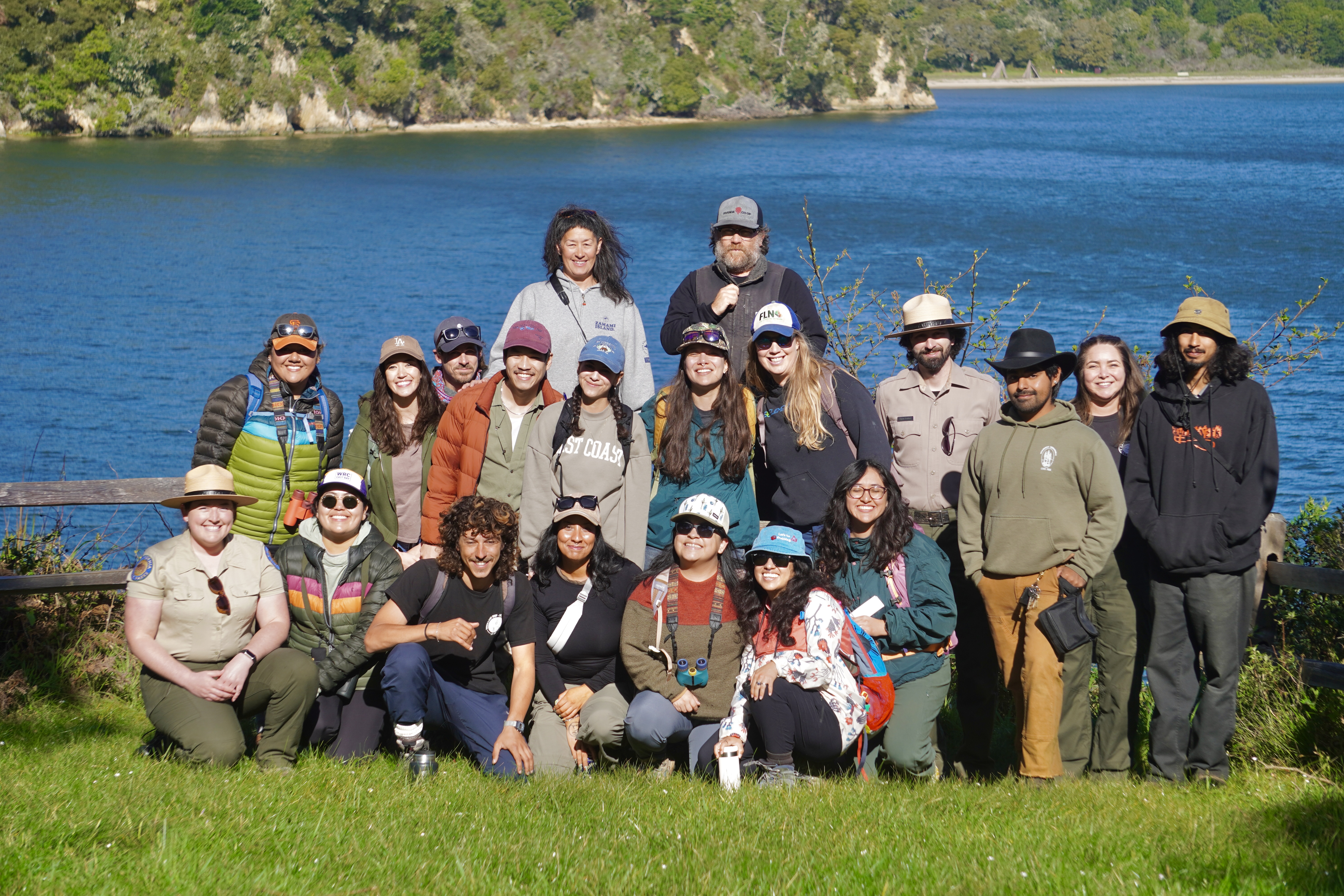
The California Naturalist Certification Course is a welcoming, community-centered program designed to connect people from all backgrounds to California’s natural environments.
Whether you already work in the outdoors, are a student building your résumé, are changing careers, or simply want to experience more joy in nature, this course is designed to be accessible and supportive for participants at all experience levels.
Our focus is on building core naturalist skills, nurturing curiosity, and strengthening relationships — with each other and the land. Rather than emphasizing the memorization of Latin names, we center storytelling, observation, and learning from both guest experts and the lived experiences of fellow participants. Together, we will build and respectful learning community, where multiple ways of knowing and experiencing the natural world are valued.
This course is especially designed for those who may not yet identify as naturalists. If you are already highly experienced and seeking advanced or technical training, a different program may be a better fit.
Designed to accommodate people with busy schedules
To accommodate full-time work and school schedules, the course includes weeknight online sessions and weekend field trips. The course culminates in a final camping overnight at our preserve. We also offer one optional make-up field trip to support those with prior commitments, otherwise all classes and field experiences are required to graduate.
While completing all course requirements is necessary for certification, we strive to be flexible and creative in helping participants succeed.
To reduce barriers to participation, we offer free, camping-style overnight accommodations during field weekends and provide full or partial scholarships to anyone who needs financial support.
Who should apply
This course is an open invitation to all, especially encouraging participation from historically underrepresented communities. Whether you’re a beginner, family, educator, or simply have a sparkling curiosity, your involvement will pave the way for fostering inclusivity in outdoor spaces.
Last year, we received over 80 applications. In our selection process, we prioritized applicants who:
- Committed to attending the full duration of the program
- Clearly expressed how they plan to share what they learn with their community or in their professional realm
- Had limited prior experience with naturalist programs
- Demonstrated a strong interest in contributing to a diverse and inclusive learning community.
- Early career professionals looking to build a professional network of support
- Frontline climate workers (people whose work directly supports climate resilience, conservation, restoration, environmental education, or environmental justice)
“I was so hesitant in taking a ‘Naturalist course.’ I just knew what it would look like, and I didn’t want to be ‘the only one.’ I was pleasantly surprised. Folks in their 20s and 30s, and the majority were from underrepresented communities—a far cry from what traditional courses like this look like.
“The intentionality with this class was obvious from the beginning. We were not bound by ‘textbook’ talk. It was expected that we would come with our authentic selves, and we did. We were open and honest in our conversations around social expectations in this work, and everyone spoke from their experiences. The conversations brought tears and laughter. And for me, that’s how we create change—by bringing different backgrounds together and working through the process.
“Right now, we need more people at the table who care about this planet, and this group that I’ve spent the last five months with—I promise you they will make a positive, lasting effect on Mother Earth.” — Teresa Baker, Cal Nat Class of 2025
2027 Course Dates
March 18 – May 9. See details in application.
Course objectives
- Develop foundational knowledge in California’s ecosystems, native plants, wildlife, and natural history.
- Equip participants with the skills to observe, identify, and document the natural world.
- Encourage participants to explore their personal connection to nature and how it intersects with their culture, community, and lived experiences.
- Foster inclusive, respectful discussions that honor the diverse perspectives and cultural knowledge within the group.
- Train participants to become environmental stewards who can engage in citizen science, community education, and advocacy.
Course structure
Flexible Learning — A mix of in-person and online sessions. Online classes are held over Zoom each Thursday from 5:30-8 p.m. beginning on March 18, 2027. We may end early on some days. Field trips will have different start and end times and meeting locations, but they will all be full-day events. We will share more detailed information with those awarded a space in the class.
Field trips and outdoor experiences
Participants will explore Marin County’s local parks, nature preserves, and urban green spaces through both guided hikes and self-guided activities. Locations include: Martin Griffin Preserve, Stinson Beach; Samuel P. Taylor State Park; Mount Tamalpais State Park; and Tomales Bay State Park.
Accessibility
Each of our field trips are to different locations with different accessibility considerations. We are often standing or walking for 3–4 miles, with limited access to bathrooms. If you have accessibility concerns, you can email vsouza@allhandsecology.org to set up a time to discuss specifics for each in-person field trip and potential accommodations. We are happy to work with you to make this course as accessible as possible.
Volunteer requirements
This course requires completion of an 8-hour community stewardship project before you earn your certification. We will help you find opportunities that align with your interest throughout the course.
Required course materials
- California Naturalist Handbook, Second Edition (green cover)
- Nature journal
- Computer with a working camera and microphone
- Strong Internet access
- Account with iNaturalist (online or on your phone). Note: If you are planning to use iNaturalist online and not use your phone, you will need a camera in the field to complete the required 10 observations
- Transportation to field trips
Cost
$500/per person
Note: Upon completion and graduation from the course, you are eligible to purchase four (4) University of California undergraduate general education credits. Purchase of these credits is optional but must be done within 6 months of graduation. We partner with UC Davis Continuing and Professional Education to process these credits. The price is subject to change but as of now, the total cost for all 4 units stands at $80 and official transcripts are an additional $15. More information can be found here!
Scholarship / fee waiver
Full or partial fee waivers, as well as payment plans, are provided based on need and upon request. More details about waivers is available within the application.
Related Content

Upcoming Event
Community-access hiking day at Bouverie Preserve
October 24, 2026 - 9:00 am to 4:00 pm
Bouverie Preserve
