
|
Getting your Trinity Audio player ready...
|
Build a palette of good fire with pile burning
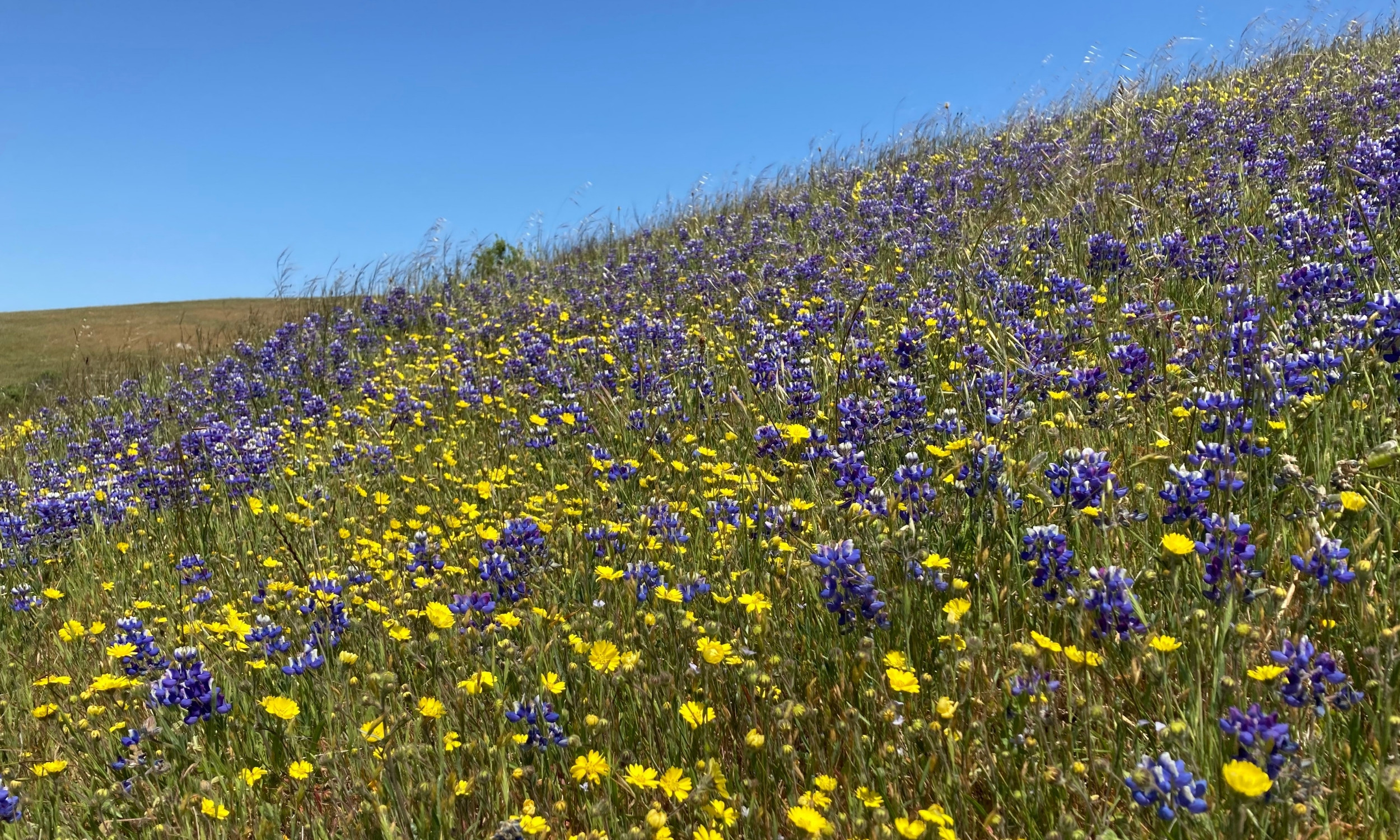
The Bay Area’s rich diversity of ecosystems — oak woodlands, coniferous forests, grasslands — benefit most from good fire when the timing is right.
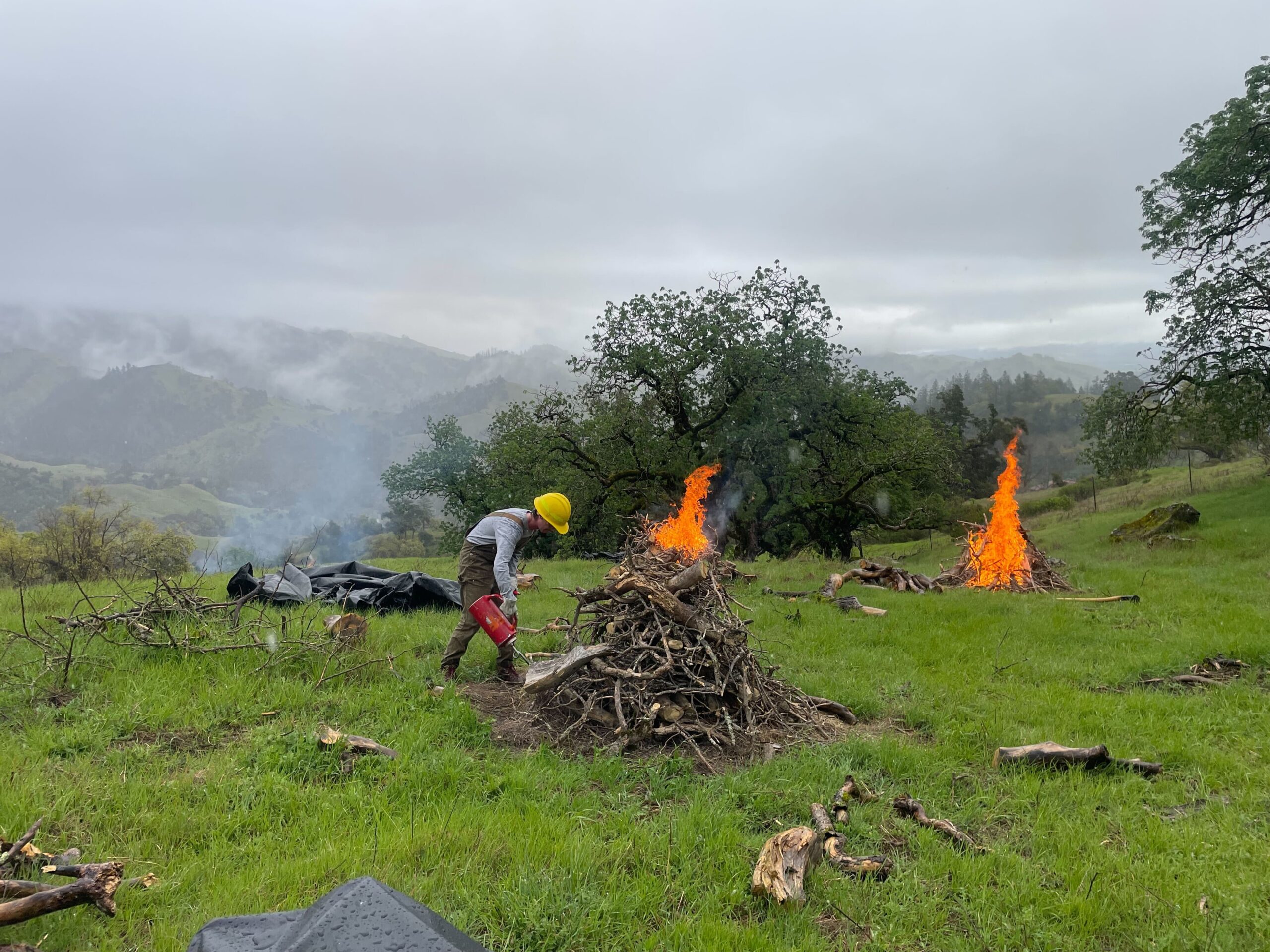
In winter, the cooler, damper conditions allow for safer conditions for pile burning — a type of managed fire where vegetation is piled, allowed to dry, and burned under favorable conditions. When done skillfully, this type of small-scale burn can safely and effectively combust extra ground fuels and promote healthier landscapes.
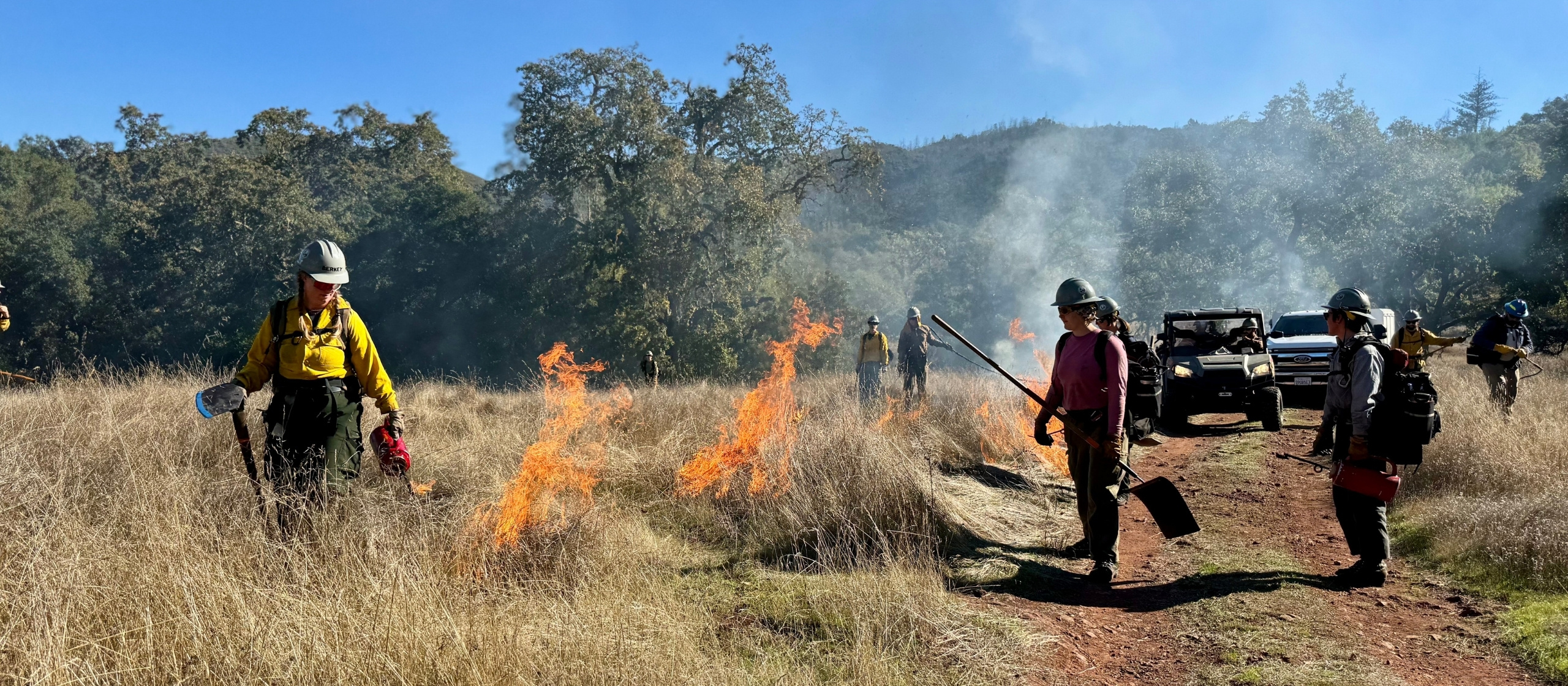
Burning piles is one of the most accessible ways for those who care for land — homeowners, renters, businesses, land stewards — to utilize good fire to reduce heavy fuels. Because piles can be burned in the wetter cooler months, the permitting, planning, and implementation of pile burning is less complex than a broadcast burn – an intentional, low-intensity application of fire across a pre-determined area. Burning piles can often be achieved using simple tools — gloves, rake, shovel, garden hose — that you likely already have at home.
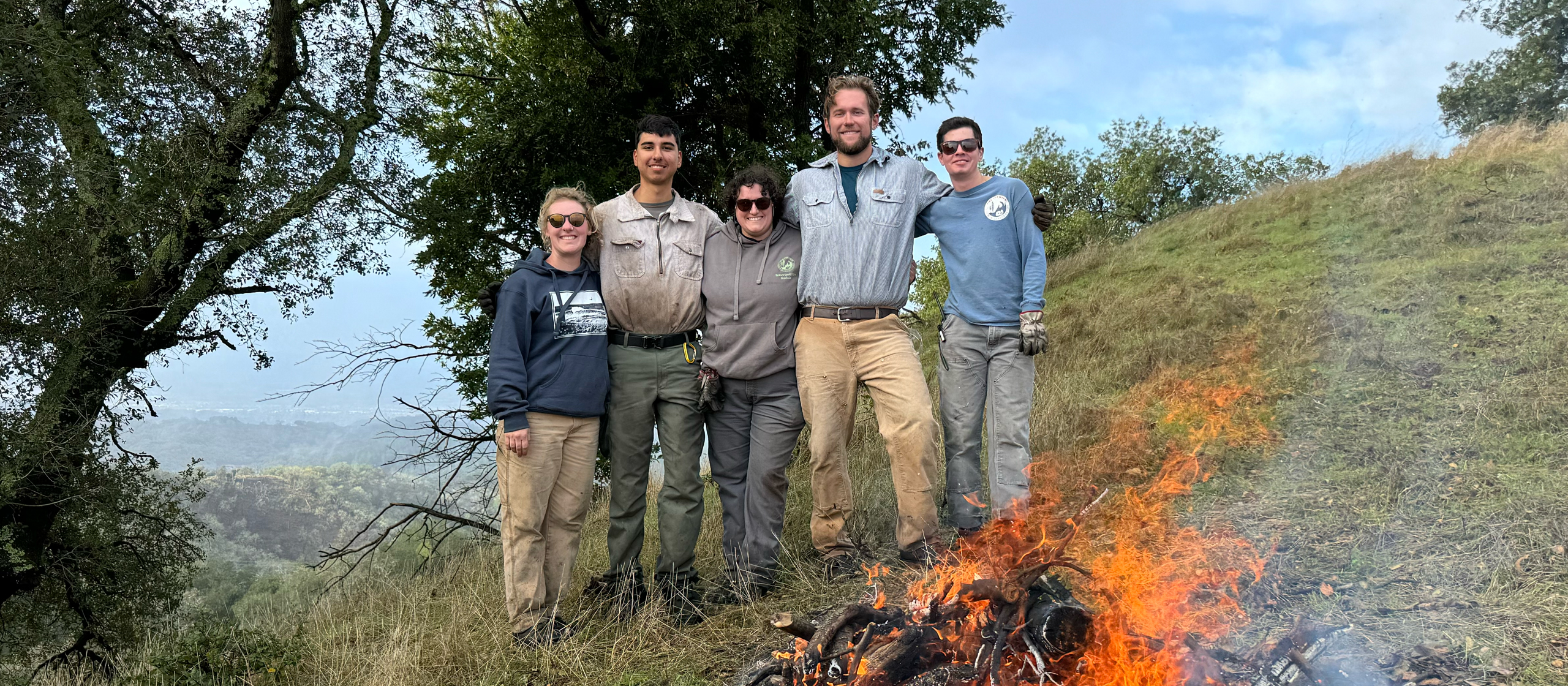
Working with piles can also be a creative and community-building activity.
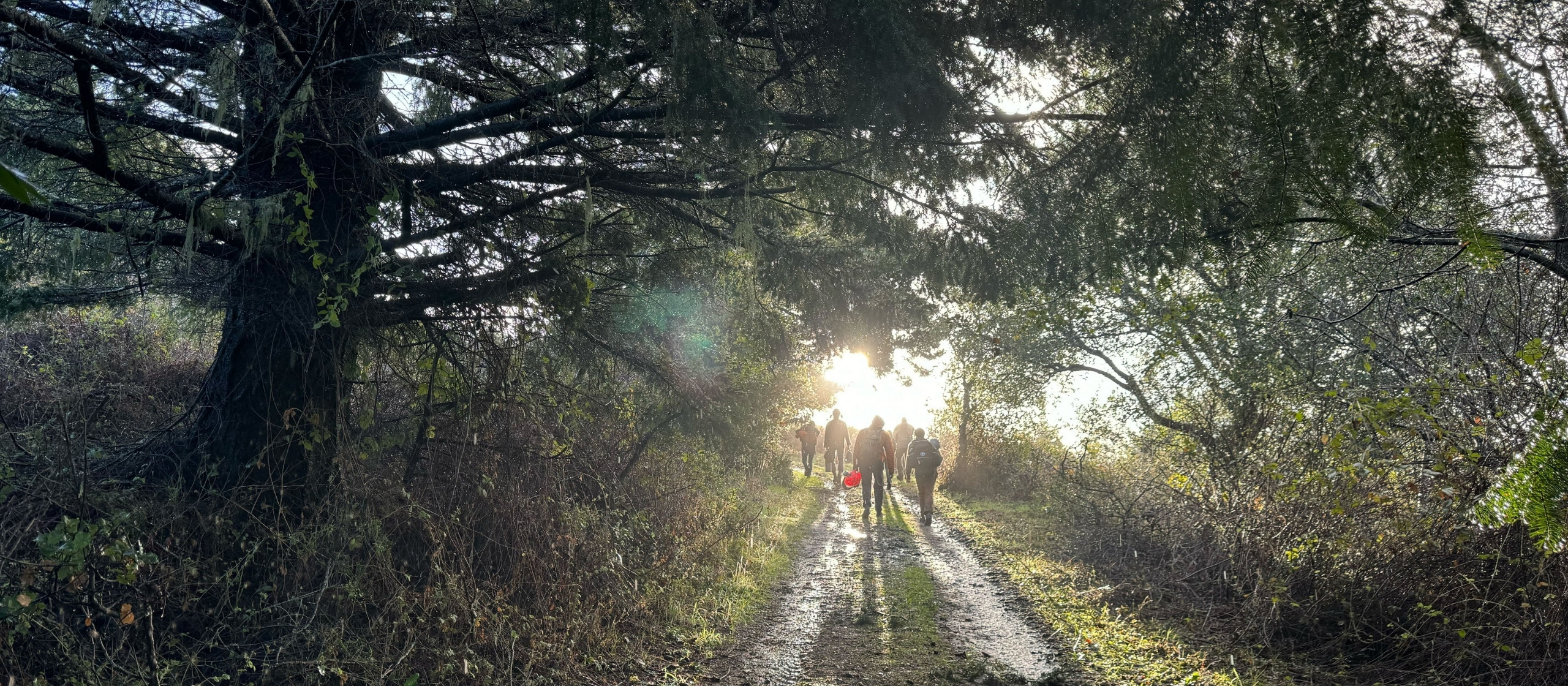
“Pile building, the essential precursor to pile burning, is as much of an art as a science, and the end result often reflects the personality of the builder – from neat, tidy, and exacting to beautifully abstract,” suggests Tom Gardali, CEO of All Hands Ecology. “Plus, it can be a great excuse to gather friends and neighbors – and good food – on a winter afternoon.”
Keep reading to learn 5 reasons why we conduct pile burning as an important stewardship tool.
1. Opening space can create healthier conditions for plants to access sunlight
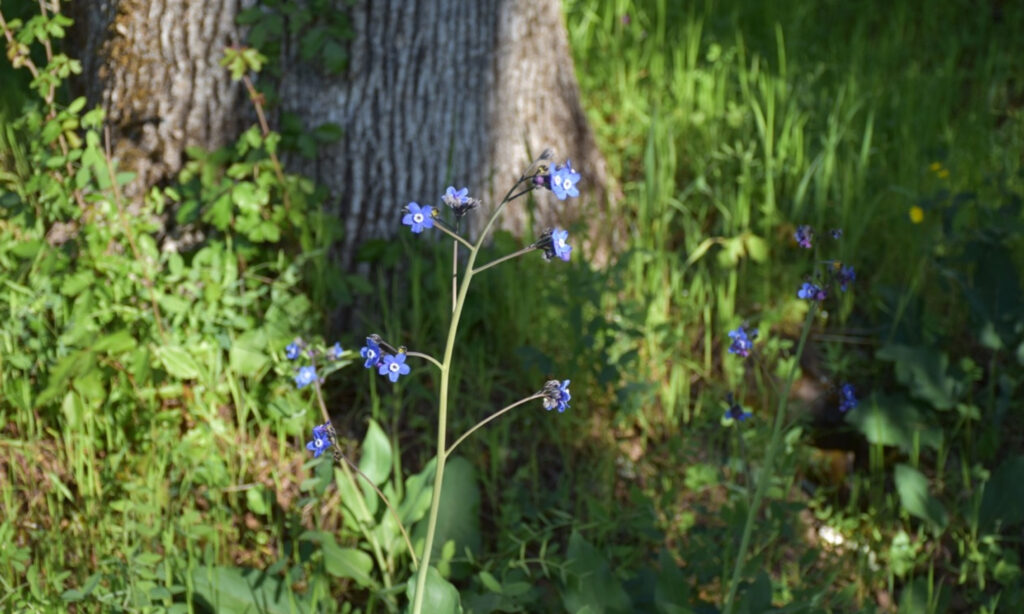
Many plant species struggle to grow in low-light conditions. Dense overstories or excessive ground cover make it nearly impossible for tender grasses and wildflowers to find the abundant sunlight they need to survive. Reducing groundcover in some habitats like oak and mixed woodlands can create more access to sunlight and room for plants to grow.
2. Decreasing ground fuels reduces fire risk near structures
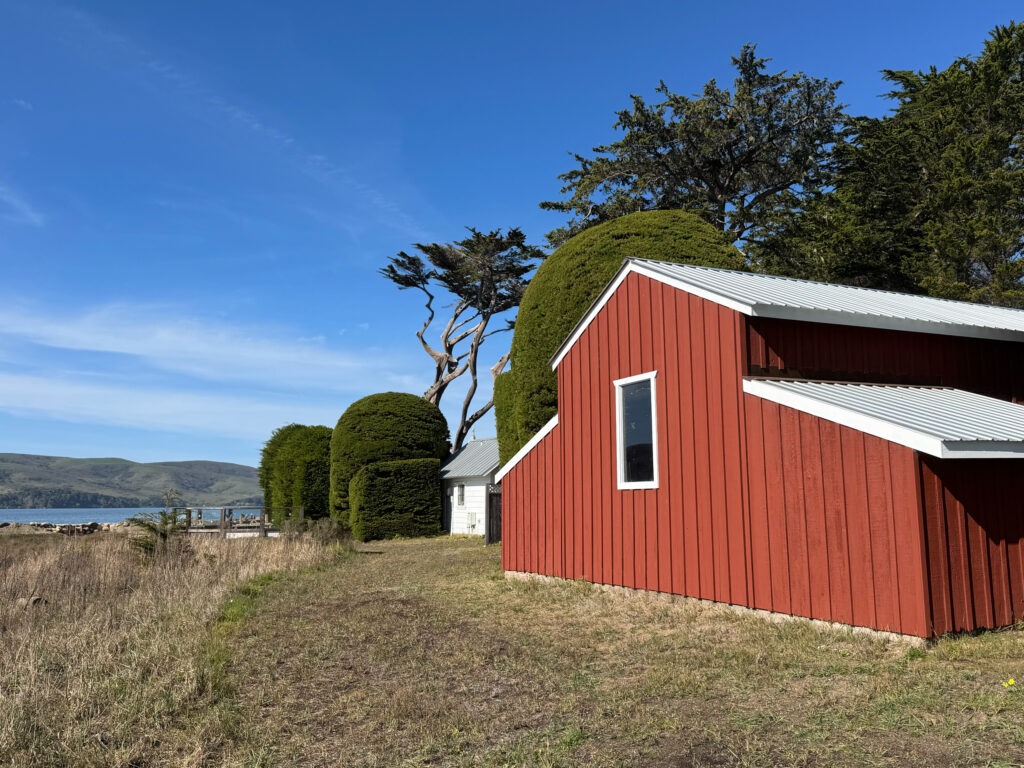
Fallen branches and dense brush dry out more easily than live plants and trees, making them more flammable. Reducing ground fuels around structures creates a buffer and helps slow the spread of fire.
3. Pre-burning piles decreases the intensity of broadcast burns
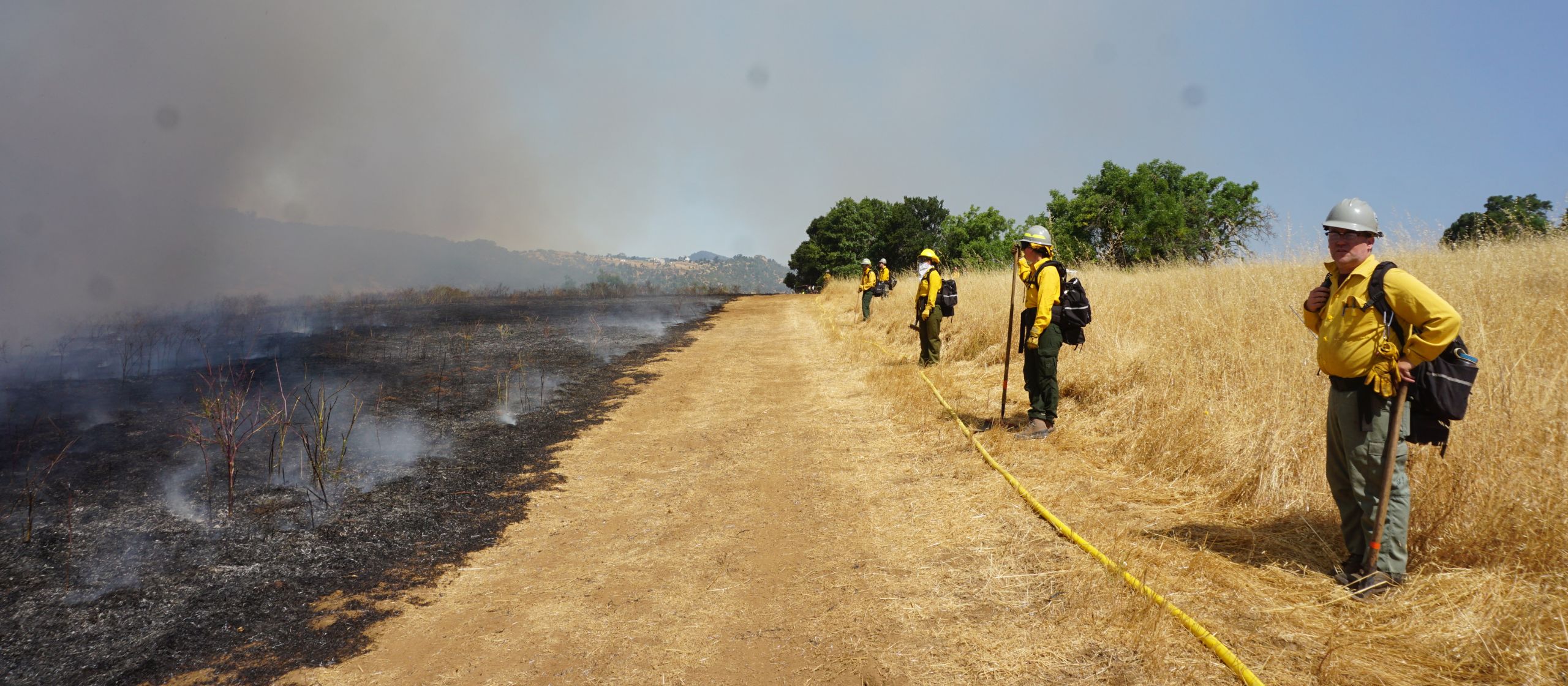
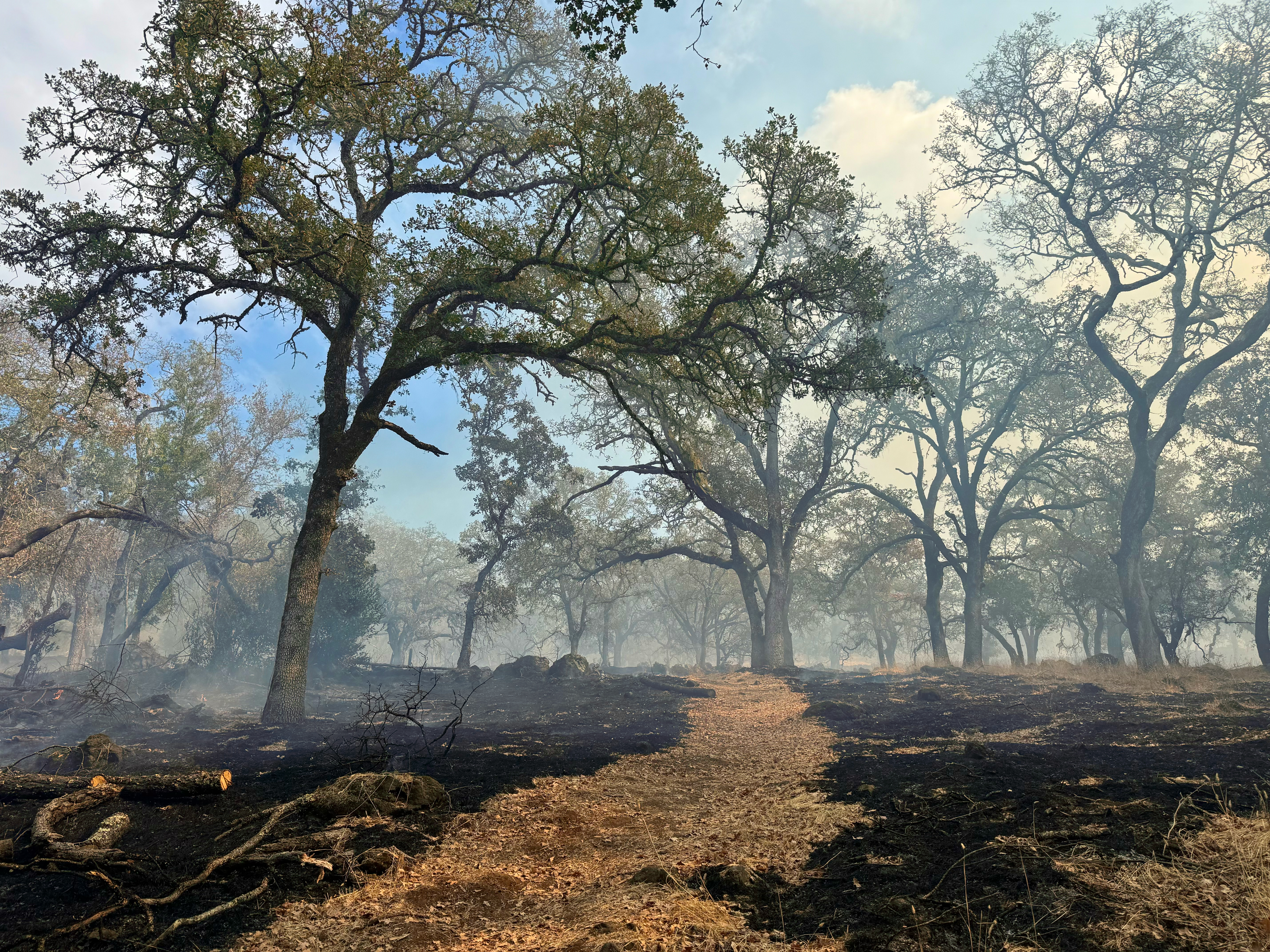
Pile burns are often used as a step in preparing for a broadcast burn. Reducing excessive ground fuels can be a critical step in ensuring the fire during a broadcast burn does not get too hot or kill too many of the remaining trees.
4. Broadcast burns are often finished with piles
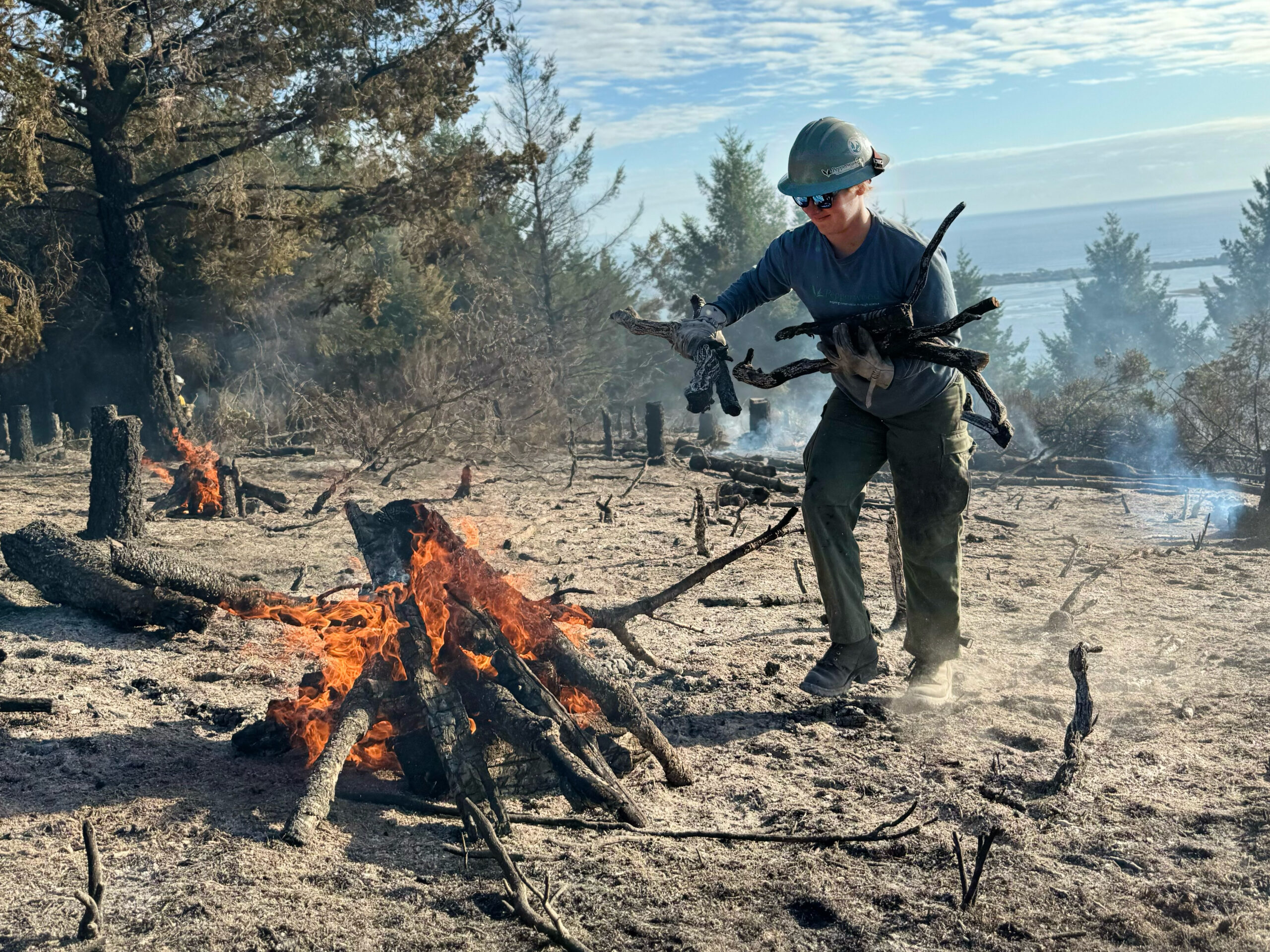
Woody material is sometimes leftover following a broadcast burn. Piling can be used during a broadcast burn to finish burning debris that didn’t burn during the initial ignitions. Piling partially burned materials deeper inside the unit helps secure the unit and achieve the objective of reducing fuels.
5. Pile burns can be an effective spot treatment
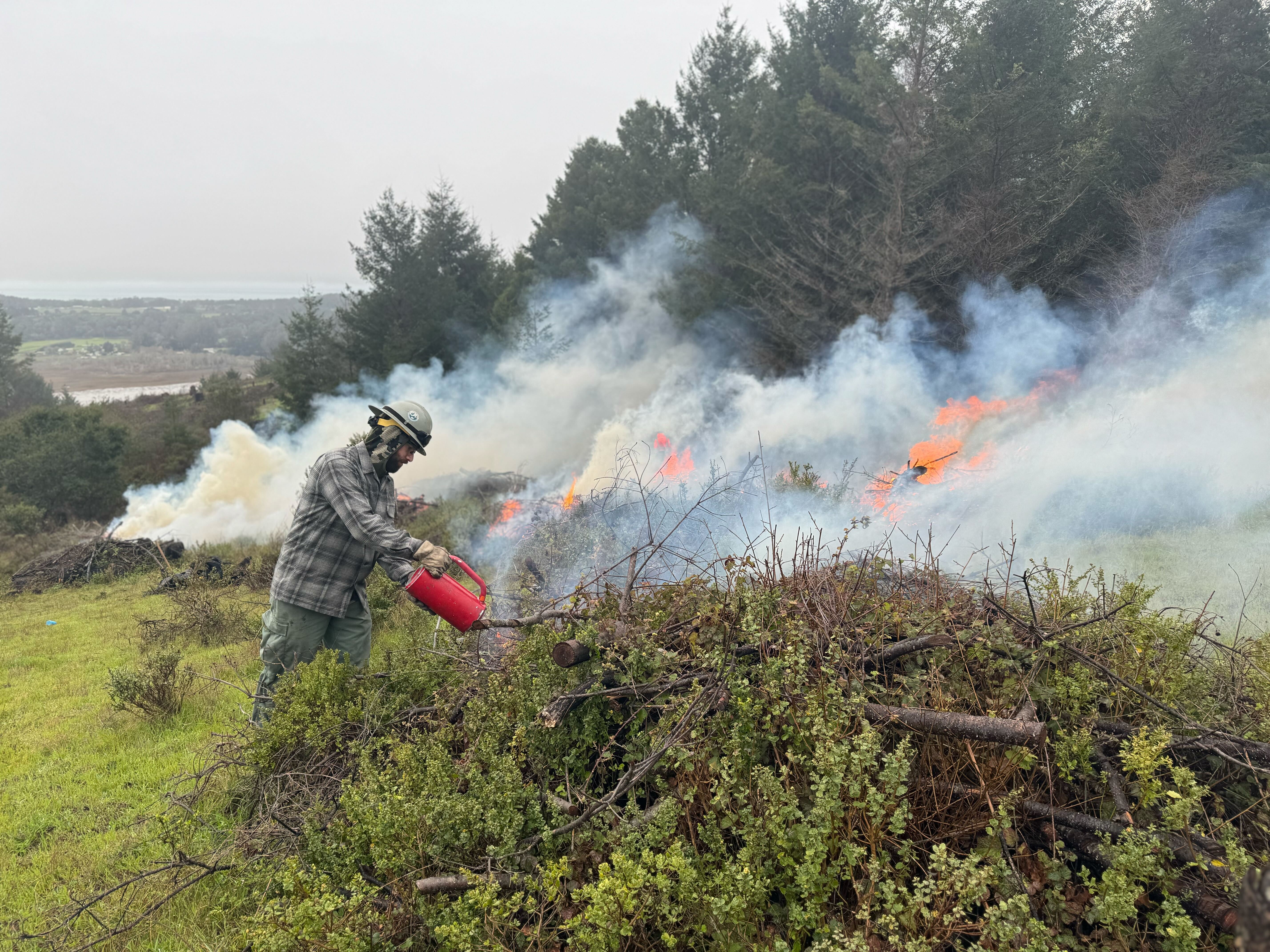
Pile burns create a focused spot of heat that can be used strategically. Building piles on top of undesirable shrubs that are tough to get rid of can be an effective treatment. This strategic placement of piles creates intensely focused heat, which is an important technique when trying to remove woody shrubs that are encroaching on coastal grasslands.
Encouraging fertile places to grow with good fire
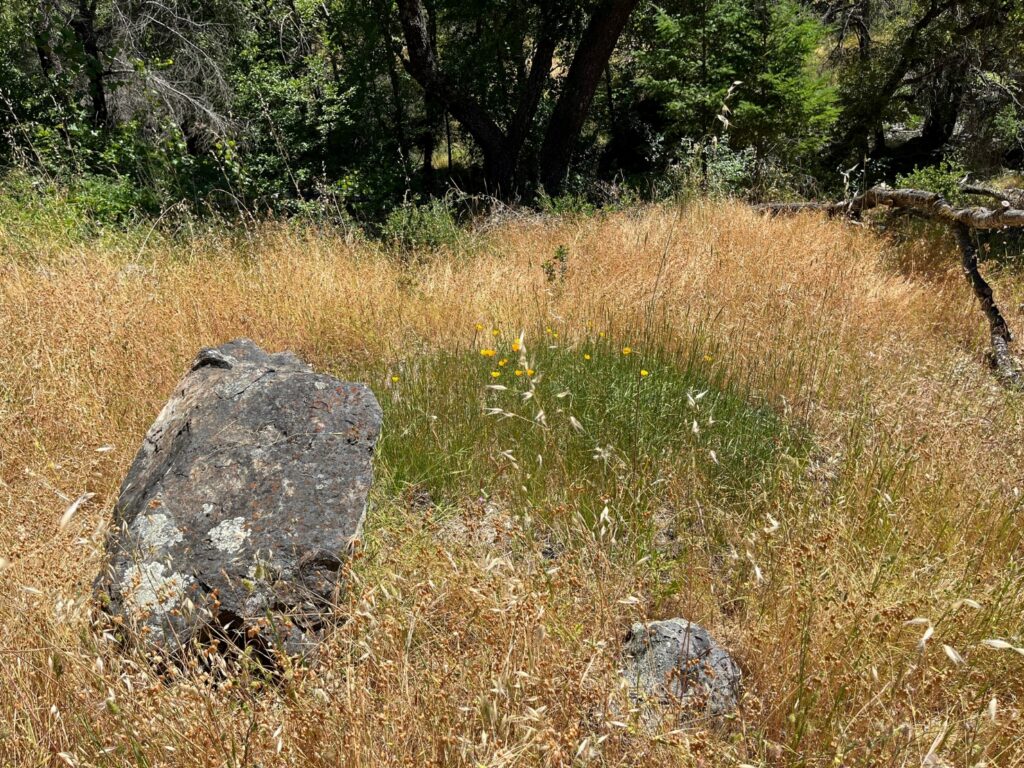
Following a pile-burn, the soil can often become bare from the heat. This problem can be turned into an opportunity for planting native seeds or turning the char to create a receptive environment for a supple patch of native plants. Often these will still be green when the region has already turned a crisp golden from sweltering summer heat. Ash and char contribute to the ecosystem’s cycle of nutrients, perfect for encouraging seeds and plants that love the pulse of nitrogen from good fire.
Hot tips for how to pile burn
There are important considerations and specific conditions to consider for pile burning to be done safely, legally, and effectively.
Get the Good Fire Alliance’s guide to pile burning in Sonoma County. Each year this comprehensive guide, collaboratively written with seasoned practitioners in the Good Fire Alliance, is updated with helpful links to permits, important phone numbers to call on the day of the burn, and a list of best practices for building effective piles, including tips for extinguishing piles in dry weather. See the pile burn guide for Sonoma County (available in English and Spanish).
Learn pile burning in-person with the Good Fire Alliance. Each winter the Good Fire Alliance organizes hands-on workshops for residents to learn about pile burning. Join a Good Fire Alliance pile burn workshop.
Support training people to safely use “good fire.” Does this work light you up? Our not-for-profit work is made possible by funding from generous individuals, businesses, foundations, and community groups who share the costs of prescribed fire management, hands-on skill building, and public education. Consider supporting our work with a donation.
Header photo by Erika Lutz.